English
  中文简体
中文简体  Español
Why Thermostat Couplers Gradually Change in Performance
Someone noticing that their electric kettle no longer clicks into its base quite the same way it did a year ago, sitting slightly crooked despite being placed the exact same way every morning, is experiencing exactly the kind of gradual wear that develops in a Thermostat Coupler over time. A Thermostat Coupler can gradually change in performance when repeated use creates wear around its contact areas, moving parts, or connection points. In household heating appliances, the coupler is genuinely part of a larger system that must repeatedly connect, transfer, and respond during everyday operation in a kitchen.
Wear is rarely caused by one factor alone acting in isolation. Repeated movement, temperature changes, surface contact, cleaning habits, and poor component fit can all genuinely influence how a coupler behaves over time on a countertop. Small changes may not be immediately noticeable, especially when they remain hidden beneath the appliance base. They can become genuinely more apparent when the appliance gets used frequently, morning after morning.
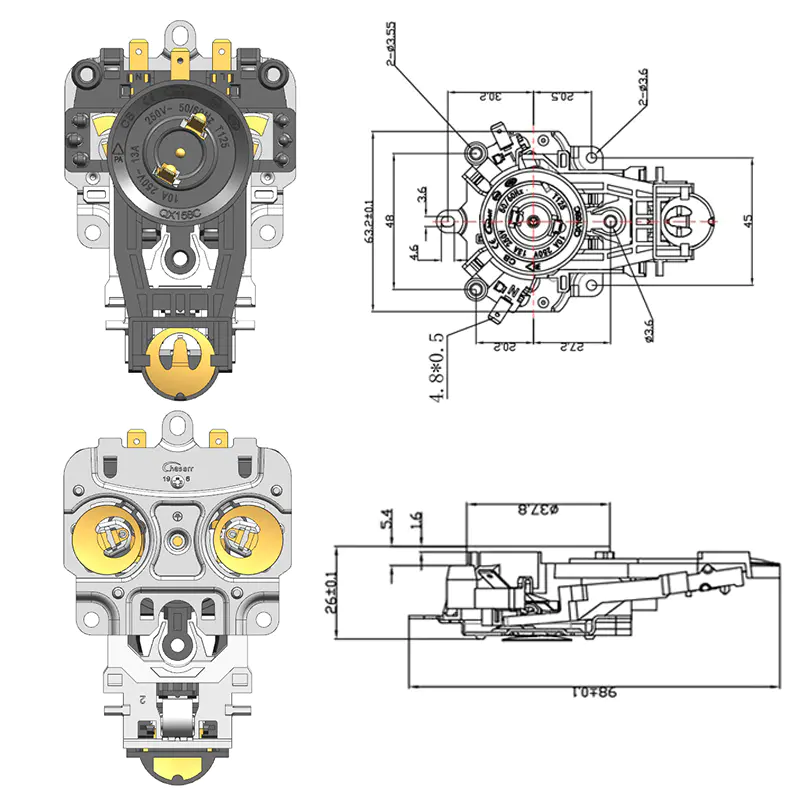
The issue matters because the connection between components needs to remain genuinely stable during normal operation day after day. A kettle may get placed on its base, removed, and returned many times throughout a single week. Each movement creates another genuine opportunity for contact surfaces to experience friction or slight movement that adds up.
For manufacturers, component suppliers, and appliance users, understanding these wear patterns can help explain why a coupler may genuinely perform differently after prolonged use in someone's kitchen.
Why Wear Matters in a Thermostat Coupler
Wear matters because repeated contact can gradually change how two components genuinely fit and interact with each other. A new component may connect smoothly right out of the box, while an older one may feel genuinely looser, less consistent, or genuinely more difficult to position after months of use.
A Thermostat Coupler often works within a genuinely compact appliance structure with little room to spare. Its surrounding components need to remain genuinely properly aligned for the connection to function as intended by the design. If a contact surface changes shape or becomes damaged, the surrounding parts may no longer meet in the genuinely same way they used to.
Several genuinely everyday conditions can contribute to this process over time.
- Repeated connection and separation
- Friction between contacting surfaces
- Small movements during use
- Exposure to heat
- Changes caused by cleaning
- Dust or residue around connection areas
- Incorrect component fitting
These factors can genuinely overlap in practice, compounding each other. A component that experiences frequent movement may also experience repeated heating and cooling on the same day. The combination can make wear genuinely more noticeable sooner than either factor alone would.
Wear doesn't always mean that a component has genuinely suddenly failed overnight. It can develop genuinely gradually over weeks and months. Users may notice a genuine change in how the appliance feels before any obvious operating problem actually appears.
For manufacturers, this makes material selection and component fit genuinely important considerations during product development from the earliest design stage.
How Repeated Contact Creates Wear
Repeated contact can create genuinely gradual surface changes when components meet and separate many times over the life of an appliance. Even when each individual movement seems genuinely minor on its own, daily appliance use can create a genuinely long series of contact cycles that add up considerably.
An electric kettle offers a simple example that is easy to picture. In a busy household, the kettle body is regularly lifted from its base and placed back after use throughout the day. This repeated movement can put ongoing stress on the connection area with each use.
The Kettle Base Connector must therefore maintain a genuinely suitable fit as the appliance gets used repeatedly over its working life. If the connection surfaces become worn, the original fit may genuinely change in ways that are hard to notice day to day.
Mechanical movement can also cause subtle shifts between components that gradually accumulate. These changes may not be immediately noticeable to the user, but they can influence how the parts interact as repeated movement continues.
Common signs of contact wear may include several patterns worth recognizing.
| Wear IssuePossible Effect on Use | |
|---|---|
| Surface abrasion | Less consistent contact |
| Loose fitting | Reduced connection stability |
| Scratched contact area | Irregular component interaction |
| Edge wear | Changes in component positioning |
| Residue buildup | More difficult connection |
| Deformed surface | Poorer mechanical fit |
The appearance of wear depends genuinely on the component design and the conditions in which it actually operates day to day. Some changes may remain genuinely cosmetic and harmless, while others can genuinely affect the way the parts fit together over time.
This is why regular inspection can prove genuinely useful in products that experience frequent movement like a kettle used every morning.
Can Temperature Changes Affect Coupler Wear?
Temperature changes can affect coupler wear because heating and cooling cause materials to respond genuinely differently over repeated cycles throughout the day. Components may expand during heating and return toward their original state as they cool back down afterward.
The changes are usually genuinely part of normal appliance operation and expected by design. The concern arises when repeated temperature changes interact with existing wear or a genuinely imperfect fit that's already developed.
An electric kettle operates in a genuinely warm environment during heating, sometimes reaching a boil within minutes. After the heating cycle ends, the appliance cools again back toward room temperature. This creates a genuinely repeated change in the surrounding conditions, cycle after cycle.
Materials used around the connection area need to remain genuinely suitable for this type of repeated use over years. If different components respond genuinely differently to temperature changes, their relationship can genuinely shift slightly during operation in ways that compound.
Repeated heating and cooling may also affect the genuine condition of surfaces over time, even without obvious damage. A component that already has scratches, deformation, or residue may become genuinely more sensitive to changes in fit as heat cycles continue.
This doesn't mean temperature alone genuinely causes a coupler problem on its own. Wear is usually related to several conditions genuinely working together rather than one isolated cause.
Manufacturers can therefore consider temperature exposure alongside mechanical movement when assessing component durability during development.
How Poor Mechanical Fit Can Increase Wear
Poor mechanical fit can increase wear because components may genuinely rub, shift, or contact each other in unintended ways not accounted for in the original design. A connection that isn't genuinely properly aligned can place additional stress on specific areas that weren't built to handle it.
The problem can genuinely begin during assembly at the factory. If a component isn't positioned genuinely correctly from the start, its contact surfaces may not meet as intended by the design. Repeated use can then genuinely reinforce the uneven contact pattern over time, making a small misalignment worse.
A good mechanical fit allows parts to interact in a genuinely predictable way throughout normal use. It also helps distribute movement genuinely across the intended contact areas, rather than concentrating stress on one spot.
The Electric Kettle Base Coupler is particularly relevant in this context, because the kettle and base get repeatedly connected and separated dozens of times a week. Alignment between the two parts can genuinely influence how the connection feels during normal everyday use.
Signs of a possible fitting issue may include several things worth watching for.
- The appliance does not sit naturally on its base
- The connection feels different from normal
- Movement appears around the connection area
- A component becomes harder to position
- Visible marks appear around contact surfaces
These signs don't necessarily identify a genuinely single cause on their own. They can result from wear, residue, incorrect assembly, or other component conditions working together.
A proper inspection should therefore consider the genuinely complete connection, rather than focusing on one visible mark in isolation.
What Role Surface Condition Plays
Surface condition plays a genuinely important role because smooth and properly matched contact areas generally experience genuinely less unnecessary interference during normal movement. Scratches, dirt, residue, or deformation can genuinely change how surfaces interact with each other over time.
Household appliances can be exposed to moisture and mineral residue during genuinely routine use, especially anything involving boiling water. Cleaning products may also come into genuine contact with nearby components during a weekly wipe-down.
If residue accumulates around a connection area, it can genuinely alter the physical relationship between components over weeks. A small layer of buildup may make fitting genuinely less consistent than it was when new.
Surface damage can have a genuinely similar effect on the connection. A scratched or roughened area may create genuinely additional friction during repeated movement, wearing further with each use.
Cleaning practices therefore deserve genuine attention from the user. The surrounding area should be kept clean according to the appliance manufacturer's care instructions, while unsuitable cleaning methods should genuinely get avoided altogether.
Users should also avoid forcing components into position when something feels stuck. Excessive force can create genuinely additional stress and may damage surrounding parts that weren't the original problem.
For manufacturers, surface treatment and material compatibility can get considered during component development from the outset. The goal is creating a connection that remains genuinely suitable for repeated everyday handling in a real kitchen.
How Maintenance Influences Coupler Performance
Maintenance can influence coupler performance by helping identify wear, residue, loose fitting, or visible damage before the problem becomes genuinely more noticeable down the line. Simple inspection can provide genuinely useful information about the condition of a component without much effort.
The maintenance process doesn't need to be genuinely complicated for a household user. People can observe whether the appliance connects normally and whether the base and kettle remain genuinely properly positioned during everyday use.
Visible changes deserve genuine attention when spotted. Signs such as cracks, unusual marks, deformation, or persistent looseness may indicate that a component genuinely needs professional inspection or replacement rather than continued use.
Maintenance should also account for the surrounding parts, not just the coupler itself. A coupler may appear genuinely worn because another component is misaligned or damaged nearby.
| Maintenance FocusWhat to Observe | |
|---|---|
| Contact surfaces | Scratches, residue, or unusual marks |
| Component fit | Loose or uneven connection |
| Positioning | Changes in normal alignment |
| Surrounding parts | Visible damage or deformation |
| Cleaning | Residue near connection areas |
Electrical appliances should get handled genuinely carefully during any inspection at home. Users should follow the manufacturer's safety and maintenance instructions, rather than attempting repairs without appropriate knowledge of the internals.
For manufacturers and service providers, maintenance guidance can also help extend genuinely practical product usability by showing users how to recognize common signs of wear before they become bigger problems.
Can Frequent Use Change Connection Performance?
Frequent use can change connection performance because repeated movement creates genuinely more opportunities for friction, contact, and temperature exposure across a longer period. An appliance used occasionally may experience a genuinely different wear pattern from one used throughout the day in a busy household.
Usage habits matter here as well, beyond just frequency. A kettle that's lifted carefully and placed back onto its base in a genuinely controlled manner may experience a genuinely different type of contact from one that's repeatedly dropped or moved sideways across the base by someone in a hurry.
The way users handle the appliance can therefore genuinely influence the condition of the connection area over its working life.
A gradual change in fitting doesn't always mean the original component was genuinely unsuitable from the start. Normal wear is a genuine consideration for parts that experience repeated movement, regardless of quality.
Manufacturers can address this by considering how consumers actually use appliances in real kitchens, not just in a lab. Component design needs to reflect genuinely ordinary handling, rather than only ideal assembly conditions tested under controlled circumstances.
This is also where supplier quality control becomes genuinely relevant to the outcome. Consistent component production can help maintain genuinely predictable fitting between related parts across different batches.
How Manufacturers Can Address Common Wear Concerns
Manufacturers can address wear concerns by considering material selection, component fit, surface condition, assembly consistency, and expected patterns of use together as one system. These factors genuinely work together, rather than independently of each other.
A component may have genuinely suitable material properties on paper but still experience problems if its surrounding parts don't fit correctly once assembled. A carefully designed connection can also develop genuinely premature wear if assembly quality varies from batch to batch.
Production teams therefore need to consider the genuinely entire connection system, not just one part in isolation.
Material selection is one area worth genuine attention during development. Components exposed to repeated heat and movement need to remain genuinely suitable for their intended environment over years of use.
Mechanical fit is another genuinely important area. Parts should interact genuinely consistently during ordinary assembly and use, batch after batch.
Surface condition also deserves genuine attention throughout production. Contact areas should get produced and handled in a way that supports the intended connection without introducing defects.
Quality checks can help identify inconsistent fitting before components reach final appliance assembly on the line.
The same principle applies to suppliers as well. A manufacturer sourcing a Thermostat Coupler should consider genuinely more than appearance alone. Consistency between batches, compatibility with surrounding components, and suitability for the intended appliance can all genuinely influence the final result once it reaches a customer's kitchen.
What to Consider When Replacing a Worn Coupler
Replacing a worn coupler should focus on compatibility, rather than appearance alone judged by eye. A replacement part needs to genuinely match the appliance structure and work with the surrounding components already in place.
A visually similar component may not provide the genuinely same fit once installed. Small differences in shape, contact arrangement, or material can genuinely affect how the connection behaves in practice.
Users should therefore refer to the appliance manufacturer's replacement guidance or use qualified service support when a coupler shows genuine signs of damage worth addressing.
Common reasons for replacement consideration include several signs worth checking for.
- Visible cracks
- Noticeable deformation
- Persistent looseness
- Damaged contact surfaces
- Unusual fitting behavior
- Repeated connection problems
It's also important to understand what caused the original component to wear out. If the surrounding part is damaged or the connection has been misaligned, replacing only one component may not genuinely address the underlying issue causing the wear.
For appliance manufacturers, this highlights the genuine importance of designing related parts as a complete system from the start, rather than in isolation.
A Kettle Base Connector doesn't operate in isolation from everything around it. Its performance depends genuinely on how it fits with the kettle, base, surrounding structure, and other connected components working together as a whole.
Understanding this relationship can help manufacturers improve product development and help service teams diagnose wear genuinely more accurately when a customer brings in a problem appliance.
Featured Products


-
No. 2892, Ningkang East Road, Tiancheng Industrial Zone, Yueqing City, Zhejiang Province
-
 Email: Una@chaserr.cc
 -
 Phone: +86-13075775533
- GET IN TOUCH

Electric Kettle Thermostat Coupler Manufacturer