English
  中文简体
中文简体  Español
How Electric Kettle Base Coupler Designs Can Support Easier Assembly
A line worker fumbling with a coupler that won't quite seat right, checking it three times before moving to the next station, knows exactly how a small design oversight can slow down an entire shift. Assembling an electric kettle isn't only about placing the heating body into the finished product. The connection between the kettle and its base also needs to get positioned correctly, fit naturally, and remain stable during repeated everyday use once it's out the door. When this connection is difficult to assemble, production teams may spend more time checking alignment, correcting parts, or dealing with inconsistent fit across a batch.
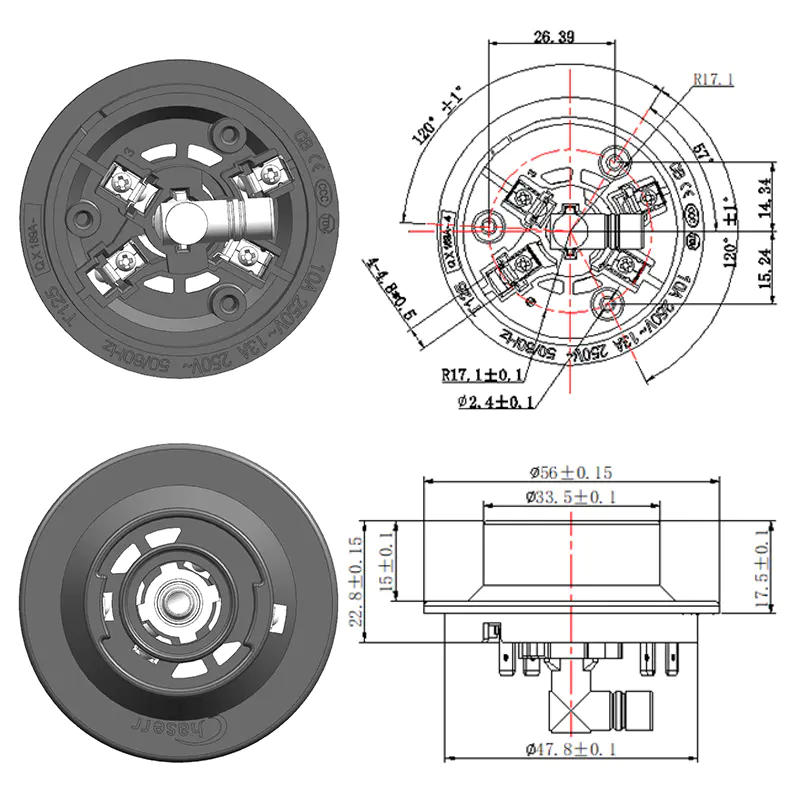
The electric kettle base coupler is an important part of this connection. It links the kettle with the base while supporting the transfer of electrical power between the two. Its design can influence how easily components get positioned during production and how smoothly the finished kettle can be placed on its base by a customer at home.
For manufacturers, easier assembly often comes down to small design choices made early on. The shape of the kettle base connector, the relationship between the coupler and the base, and the integration of the thermostat coupler can all affect the assembly process from start to finish. A practical design should support both production needs and everyday product use at the same time.
Why Coupler Design Matters During Electric Kettle Assembly
Electric kettle assembly involves several components that need to work together on the line. The heating element, electrical connections, housing, base, controls, and coupler all have their own positions within the finished product.
The base coupler sits at a genuinely important connection point. If its position is difficult to identify or the surrounding parts are hard to align, assembly can become slower and more dependent on careful manual adjustment, station by station.
A well-considered coupler design can support:
- Clear component positioning
- Easier alignment
- Stable installation
- Consistent assembly
- Simpler inspection
- Convenient maintenance
The goal isn't simply making one component easier to install on its own. The coupler needs to fit naturally into the entire product structure around it. For example, a kettle base connector may need to work with the base housing, electrical contacts, and kettle body all at the same time. A change in one area can influence how the other parts fit together.
This makes coupler design an important consideration during product development, rather than a detail addressed only during final assembly once problems already show up.
How the Shape of an Electric Kettle Base Coupler Supports Alignment
Alignment is one of the main challenges during assembly, especially on a line running at pace.
When a component has a clear installation position, workers can understand how it should get placed without repeated adjustment slowing down the station. A suitable shape can guide the component toward its intended position almost automatically.
The electric kettle base coupler can be designed with features that make its orientation easier to recognize at a glance. These may include:
- Clearly defined contact areas
- A suitable mounting shape
- Distinct orientation features
- Stable seating surfaces
- Compatible surrounding structures
The exact design depends on the kettle in question. A coupler intended for a compact base may have a genuinely different structure from one designed for another product layout entirely. What matters is that the component fits the surrounding parts without unnecessary movement during assembly itself.
Good alignment also helps reduce confusion on the floor. If a component can be installed in several unintended positions, assembly becomes noticeably more difficult. A design that naturally guides the part toward the correct position can simplify the work considerably, whether it's done by hand or with fixture support.
What Role the Kettle Base Connector Plays in Assembly
The kettle base connector is part of the interface between the kettle and its base. It needs to occupy a stable position while remaining compatible with the other components sitting around it.
During assembly, the connector may need to be secured within the base housing before other parts get installed on top of it.
Its design can influence:
| Design Area | Assembly Consideration |
|---|---|
| Mounting structure | Helps establish a stable position |
| Orientation | Reduces installation confusion |
| Contact arrangement | Supports proper electrical connection |
| Housing fit | Helps prevent unwanted movement |
| Access area | Makes inspection easier |
A connector that shifts during assembly can create additional work for the operator, who then needs to reposition it before continuing down the line. A stable mounting arrangement can reduce this problem considerably.
The connector also needs to stay secure during normal use in the kitchen. The kettle is repeatedly placed on and lifted from the base, so the connection area needs to handle that repeated movement without making assembly difficult. The production process and the final product experience are therefore closely linked rather than separate concerns.
How the Thermostat Coupler Can Fit Into the Assembly Process
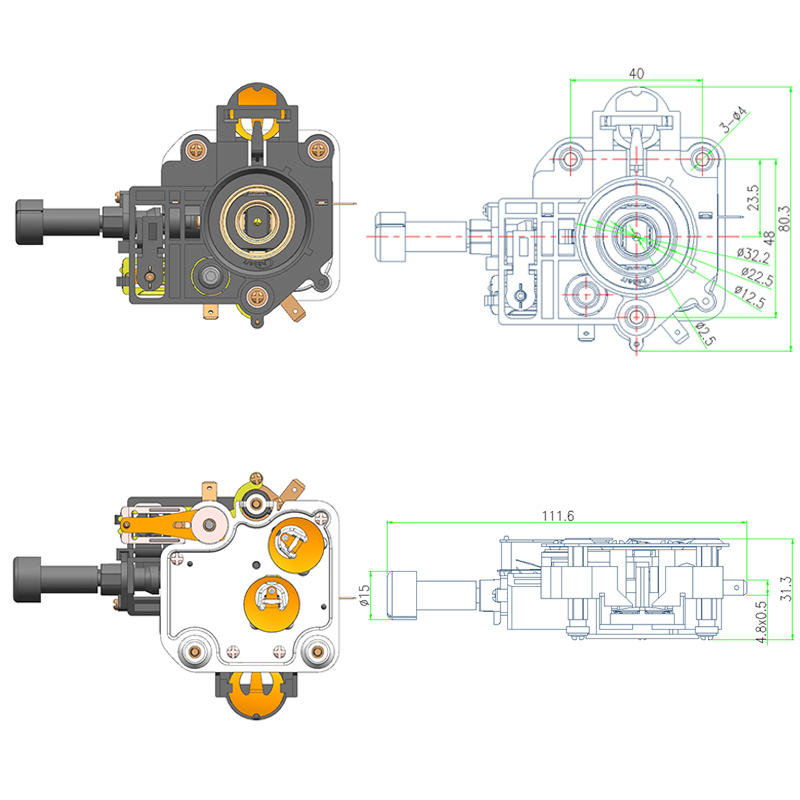
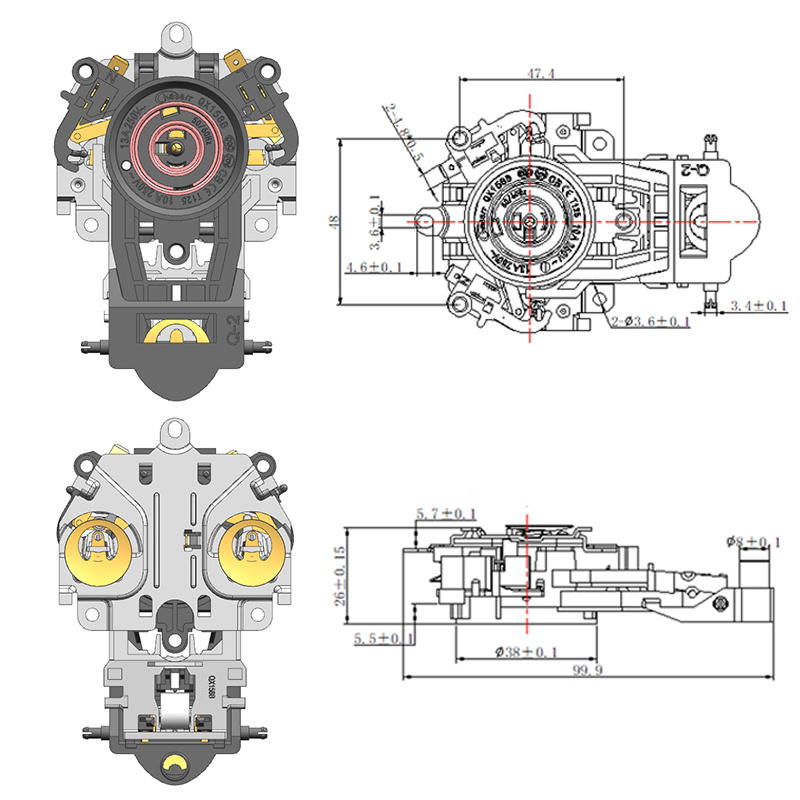
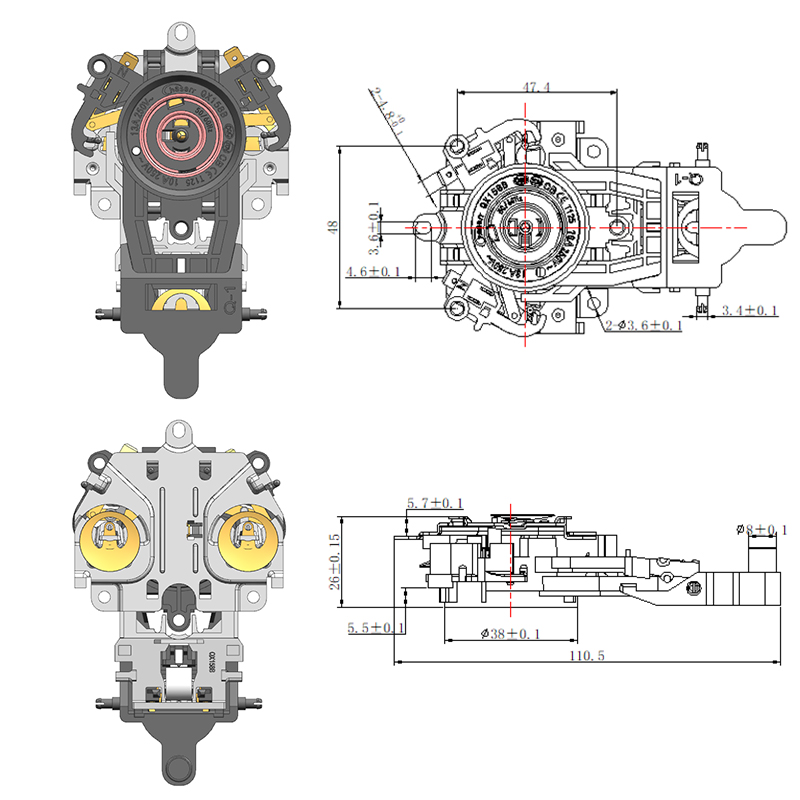
The thermostat coupler is associated with the temperature control side of an electric kettle. Its position and connection need to work with the surrounding structure it sits inside.
During assembly, temperature-related components may need to get positioned correctly so the kettle can actually operate as intended once it's boiling water at home.
A suitable coupler design can help by making the connection more predictable for whoever's assembling it. Manufacturers may consider:
- Component orientation
- Connection accessibility
- Housing compatibility
- Ease of inspection
- Stable positioning
- Interaction with nearby components
The thermostat area may contain several parts sitting close together. A complicated structure can make installation genuinely less convenient for the person doing the work. Clear positioning can help workers identify where the coupler belongs and how it should connect without second-guessing.
This proves especially useful when the product gets assembled repeatedly, shift after shift. A process that's easy to understand can stay a lot more consistent than one depending heavily on visual adjustment each time.
The thermostat coupler should therefore get considered as part of the assembly system, rather than an isolated electrical component floating on its own.
Can Modular Design Make Electric Kettle Assembly Easier?
Modular thinking can genuinely simplify product assembly by dividing a larger product into manageable sections.
Instead of treating the entire kettle as one complex structure, manufacturers can organize related components into functional groups. For example, the base may be designed around:
- The outer housing
- The electrical connection area
- The coupler
- Supporting components
- Control-related parts
This arrangement can make the production sequence a lot easier to understand for new workers coming onto the line. A modular electric kettle base coupler may also be easier to inspect before the base gets fully assembled around it.
If a problem appears, workers can focus on the relevant section, rather than disassembling a large portion of the product just to check one part. Modular design can also support product variations down the road. A manufacturer may need to produce different kettle styles while using related internal components across the range. A flexible coupler structure can make it easier to adapt the surrounding housing without completely reworking the connection concept from scratch.
The exact level of modularity depends on the product itself. The important point is creating logical relationships between parts, not arbitrary divisions.
How Material Selection Affects Coupler Assembly
Material selection influences how a coupler behaves during both assembly and everyday use afterward.
The material needs to suit the electrical, structural, and environmental requirements of its position inside the kettle. Different sections may have genuinely different material needs. Contact areas, housing sections, insulating parts, and supporting structures don't necessarily perform the same role at all.
Manufacturers may consider:
- Shape stability
- Heat exposure
- Electrical insulation
- Resistance to normal handling
- Compatibility with surrounding components
- Long-term fit
The material should also support the intended assembly method used on the line. A component that changes shape too easily may become genuinely difficult to position correctly. A material that doesn't suit the surrounding structure may create fitting problems that show up later during inspection.
This is why material selection and product geometry should get considered together, rather than as two separate decisions made independently. The right material isn't simply one that works in isolation on a test bench. It needs to work as part of the entire kettle assembly, start to finish.
How Installation Access Can Improve Production Efficiency
Even a well-designed component can be difficult to assemble if workers cannot easily reach the installation area.
Access should get considered during product development, not discovered as a problem once tooling's already built. The coupler may need installing inside a relatively compact base. If surrounding walls or components block the installation path, workers may have to use awkward movements or additional tools just to get the part in place.
A more accessible layout can support:
- Easier component placement
- Better visibility
- Simpler inspection
- Reduced adjustment
- More comfortable assembly work
The same principle applies when a component needs servicing later on. A kettle base connector that can be accessed without removing unnecessary parts can make maintenance a lot more manageable for a repair technician down the line.
Manufacturers can evaluate the assembly sequence before finalizing the housing design. This helps reveal whether workers can actually reach the connection naturally, rather than fighting the housing every time. Product appearance remains important throughout, of course, but exterior design shouldn't make internal assembly unnecessarily complicated for the sake of looks alone.
Why Part Tolerance Matters for Coupler Assembly
Components need enough compatibility to fit together as intended, no more and no less.
If parts are too difficult to position, assembly can become genuinely slow. If the fit is too loose, the component may move during production or later during use in someone's kitchen. This balance matters particularly around an electric kettle base coupler because the component needs to maintain its intended position while connecting with other parts around it.
Manufacturers may evaluate:
| Fit Condition | Possible Effect |
|---|---|
| Too tight | Installation may require extra effort |
| Too loose | Component may move after installation |
| Inconsistent | Assembly results may vary |
| Suitable fit | Supports predictable installation |
The exact fit depends on the product design and manufacturing process behind it. The important point is consistency across the run. A coupler that fits naturally into its housing can make assembly a lot easier to repeat reliably. This can also help workers identify abnormal parts during inspection, since anything off will stand out against the norm.
Good fit design is therefore connected with both production efficiency and product reliability down the road.
How Design Can Reduce Assembly Errors
Assembly errors can happen when workers have to guess the correct orientation or position of a component under time pressure.
A design can help prevent confusion by making incorrect installation genuinely difficult or obvious at a glance. Useful design approaches may include:
- Distinctive shapes
- Clear orientation
- Guided insertion
- Compatible mounting points
- Visible inspection areas
- Logical assembly order
These features can reduce reliance on memory alone, which matters a lot when workers rotate stations or new hires join the line. For a thermostat coupler, orientation may be particularly important because its connection needs to correspond with other components nearby. A clear installation arrangement can help workers identify the correct position without guesswork.
The same principle applies to the main base connection as well. When parts naturally guide the operator toward the correct position, the assembly process becomes a lot easier to understand overall. This proves valuable in production environments where different products or component versions may be handled on the same line throughout a shift.
How Manufacturers Can Check an Electric Kettle Base Coupler Before Production
Testing the design before full production can reveal assembly problems while changes are still practical to make, rather than after tooling's locked in.
A sample assembly can be used to observe how workers actually interact with the components in practice. Manufacturers can ask:
- Is the coupler easy to identify?
- Can it be positioned without repeated adjustment?
- Is the installation direction clear?
- Can workers reach the connection area comfortably?
- Does the part remain stable before the next assembly step?
- Can the completed connection be inspected easily?
These questions focus on the actual assembly experience, not just the drawing. A design may appear simple on paper but become genuinely less convenient once handled in a real production setting with real hands and real time pressure.
Trial assembly can therefore provide genuinely useful information before committing further. It also allows manufacturers to compare alternative housing shapes, mounting arrangements, and component positions before scaling up to a larger production process.
What Buyers Should Consider When Sourcing Electric Kettle Couplers
Buyers should look well beyond the coupler itself when evaluating a supplier.
The component needs to match the kettle's structure, electrical arrangement, assembly method, and intended use all at once. Useful considerations include:
| Buyer Consideration | Why It Matters |
|---|---|
| Product compatibility | Supports proper integration |
| Assembly method | Influences production work |
| Component fit | Helps maintain stable positioning |
| Inspection access | Makes quality checks easier |
| Material suitability | Supports the intended operating environment |
| Customization options | Allows adaptation to product designs |
| Supplier communication | Helps resolve design and assembly questions |
A supplier should be able to discuss how the coupler actually fits into the intended kettle structure, not just quote a spec sheet. For customized products, sharing information about the base housing, connection layout, and assembly process can help both sides identify suitable design options before committing to a run.
The electric kettle base coupler, kettle base connector, and thermostat coupler shouldn't get evaluated as unrelated components sitting apart from each other. Their value comes from how they fit into the complete product as a working system.
When the coupler shape supports alignment, the mounting structure provides stable positioning, access gets considered early, and surrounding components are designed to work together, assembly becomes a lot easier to organize on the floor. This approach can also make inspection and later maintenance more manageable, while giving manufacturers greater flexibility when developing different electric kettle designs down the line.
Featured Products

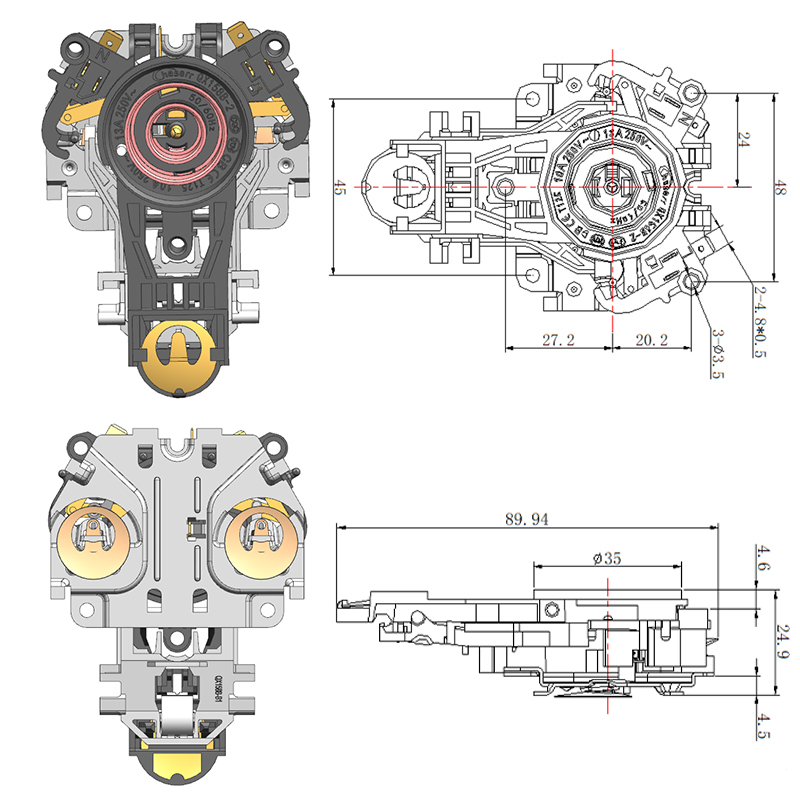
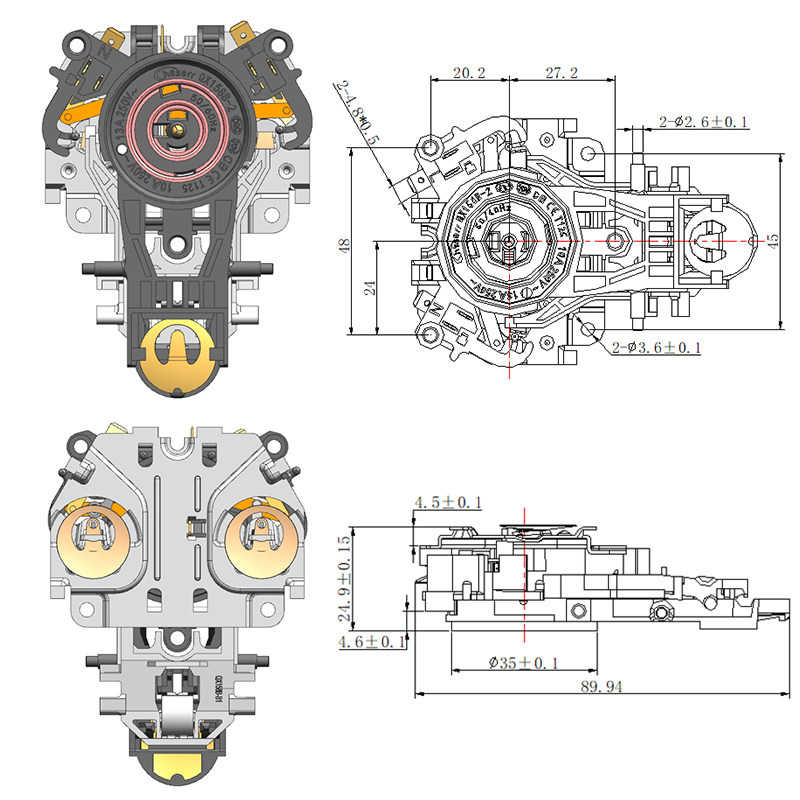
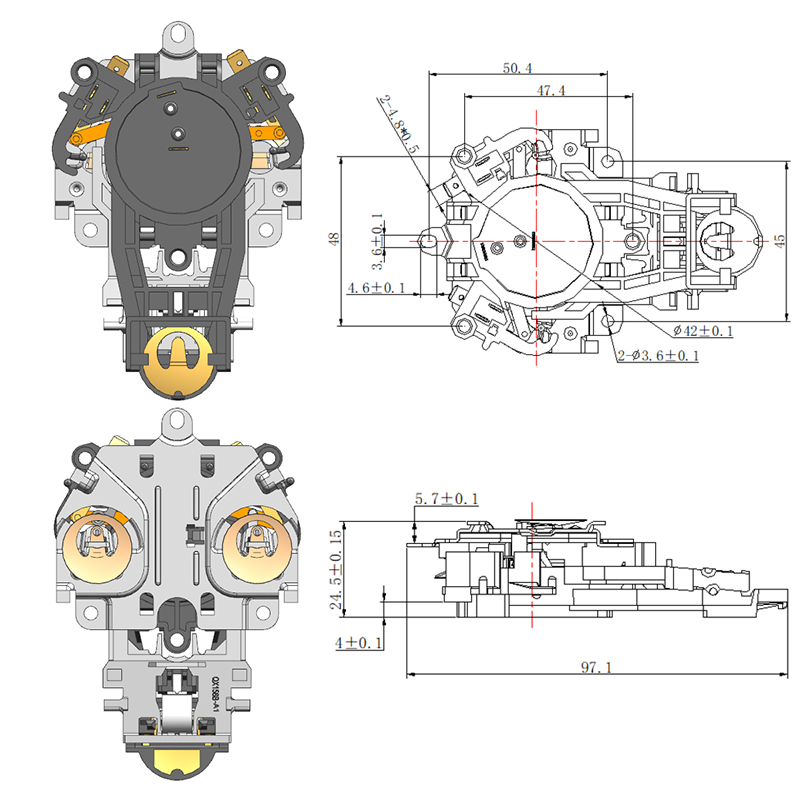
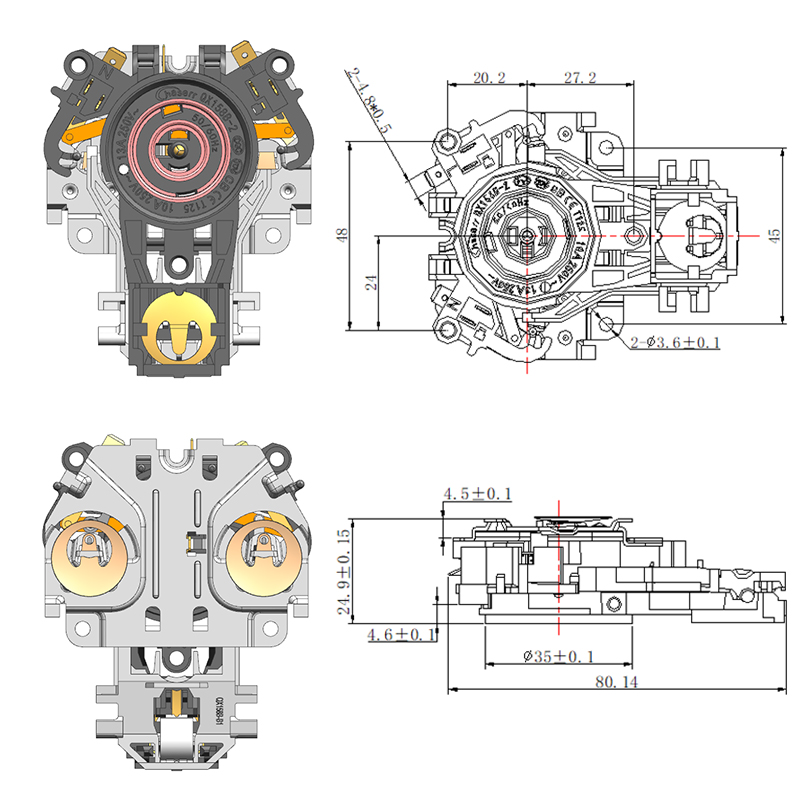

-
No. 2892, Ningkang East Road, Tiancheng Industrial Zone, Yueqing City, Zhejiang Province
-
 Email: Una@chaserr.cc
 -
 Phone: +86-13075775533
- GET IN TOUCH

Electric Kettle Thermostat Coupler Manufacturer