English
  中文简体
中文简体  Español
Why Does Terminal Plating Matter in Electric Kettle Base
An electric kettle base may look like a genuinely simple support that supplies power to the kettle sitting on top of it. Inside that small connection area, however, terminal surfaces need to maintain genuinely reliable contact whenever the kettle gets placed on or removed from its base, much like a phone charging pad that needs consistent contact every time a device gets set down. The condition of these surfaces can affect how the electrical connection behaves during everyday use around the kitchen.
Terminal plating is one part of this design worth understanding. A plated terminal has a surface layer applied over its underlying material. The purpose isn't simply changing the appearance of the metal for cosmetic reasons. Surface treatment can influence contact behavior, resistance to wear, and how the terminal responds to repeated connection and separation over its working life.
For B2B manufacturers, these details genuinely matter because an Electric Kettle Base Coupler gets handled repeatedly during normal operation, day after day. The terminal needs to remain properly positioned, while its surface continues to support the intended electrical connection throughout. Plating therefore needs to get considered together with terminal shape, contact pressure, housing structure, and manufacturing processes as one connected system.

Why Does Terminal Plating Matter in an Electric Kettle Base?
A terminal doesn't make an electrical connection through its entire body from end to end. The contact takes place at genuinely specific surface areas where conductive parts meet each other. This makes the condition of that surface genuinely important to the whole system.
The underlying terminal material provides the physical structure holding everything together, while the plated layer forms the outer contact surface that actually touches the mating part. Different surface treatments can influence how the terminal behaves once it meets another conductive part.
Several aspects stay genuinely closely connected in this design.
| Terminal Area | Manufacturing Consideration |
|---|---|
| Base material | Provides structural support |
| Plated surface | Forms the contact interface |
| Contact area | Supports electrical connection |
| Terminal edge | Experiences movement during use |
| Supporting section | Holds the terminal in position |
The plating process therefore becomes genuinely part of the terminal's functional design from the start. It shouldn't get viewed only as a finishing operation carried out after the component has already been designed and locked in. For kettle base manufacturers, the selected surface treatment needs to work with the mechanical and electrical requirements of the complete connection together.
How Does Terminal Surface Condition Affect Contact Performance?
Contact performance depends partly on how two conductive surfaces actually meet each other in practice. Even when the terminals are correctly positioned on paper, changes at the contact surface can influence the genuine quality of the connection formed there.
A suitable surface can support genuinely consistent contact between the kettle and base terminals throughout normal use. The contact area also needs to remain usable as the components experience repeated movement across months of daily handling.
Surface condition can get affected by several factors working together. Surface oxidation plays a role, alongside repeated contact and friction accumulating over time. Manufacturing residue matters too, along with environmental exposure and changes caused by ordinary handling.
Plating can help control some of these surface-related concerns, depending heavily on the material and process used for that particular design. This doesn't mean plating alone determines contact performance on its own, though. Terminal geometry, contact pressure, alignment, and the condition of the mating component also influence the connection considerably.
A manufacturer therefore needs to consider the plated surface as one part of a genuinely wider contact system, rather than the whole story by itself.
What Happens to a Terminal During Repeated Kettle Use?
An electric kettle base gets used through a genuinely simple physical action repeated countless times. The kettle gets placed on the base when heating is required and lifted away when the user wants to pour or move it elsewhere.
Each movement creates another genuine contact cycle within the connector. The terminal surfaces may experience small amounts of friction as they meet or separate from one another. A flexible contact may also move slightly during placement each time. Over time, these repeated interactions can genuinely affect the condition of the surface underneath.
A suitable terminal design needs to account for this repeated movement from the earliest design stage.
| Repeated Action | Possible Surface Effect |
|---|---|
| Kettle placement | Contact surface meets the mating terminal |
| Kettle removal | Contact surfaces separate |
| Small movement | May create surface friction |
| Repeated use | Can gradually change surface condition |
| Handling | May expose components to contamination |
The exact effect depends heavily on the terminal structure and surface treatment chosen for that build. This is exactly why manufacturers need to evaluate plating together with the mechanical movement of the complete base assembly, rather than in isolation.
How Can Plating Influence Abrasion Resistance?
Abrasion occurs whenever surfaces experience repeated rubbing or mechanical contact against one another. In a kettle base, the terminal may encounter this type of movement each time the kettle gets positioned or removed from its resting spot.
The plated layer needs to remain sufficiently stable for the intended application over its full service life. If the surface changes significantly through repeated contact, the underlying material may eventually become exposed, or the contact behavior may change in ways that affect performance.
Abrasion resistance therefore becomes a genuinely relevant consideration when selecting a plating process for this application. The required surface behavior depends on several factors working together: how the terminal moves during kettle placement, how much contact occurs between mating surfaces, how the terminal gets supported, how frequently the connection sees use, and what type of surface treatment gets applied to it.
A thicker or harder surface isn't automatically suitable for every design that comes across a manufacturer's desk. The plating needs to work with the terminal structure and the movement created during normal use of that specific product. This is exactly why surface treatment decisions usually get linked to the intended operating environment, rather than made in isolation from the rest of the design.
Why Is Contact Pressure Important Alongside Terminal Plating?
Plating and contact pressure work genuinely together at the terminal interface, rather than as separate concerns. Contact pressure determines how firmly the surfaces meet each other, while plating influences the condition of the surface that actually makes that contact happen.
If the pressure stays too low, the surfaces may not remain stable during normal movement around the kitchen. If pressure gets unnecessarily high instead, repeated contact may create additional friction between the surfaces that accelerates wear. The terminal therefore needs a genuinely suitable mechanical structure to balance these competing demands.
A flexible terminal can respond to small differences in position each time it gets used. Its plated surface then needs to remain stable as the terminal moves within its designed range.
| Design Element | Relationship With Plating |
|---|---|
| Contact pressure | Determines how surfaces meet |
| Flexible terminal | Allows controlled movement |
| Surface plating | Protects and conditions the contact area |
| Terminal shape | Influences contact location |
| Housing | Keeps the terminal aligned |
The result depends genuinely on the interaction between these elements working as one system. A plating choice that works well on a rigid terminal may behave genuinely differently once the same surface treatment gets used on a flexible contact that moves during every connection cycle.
How Does a Kettle Base Connector Use Plated Terminals?
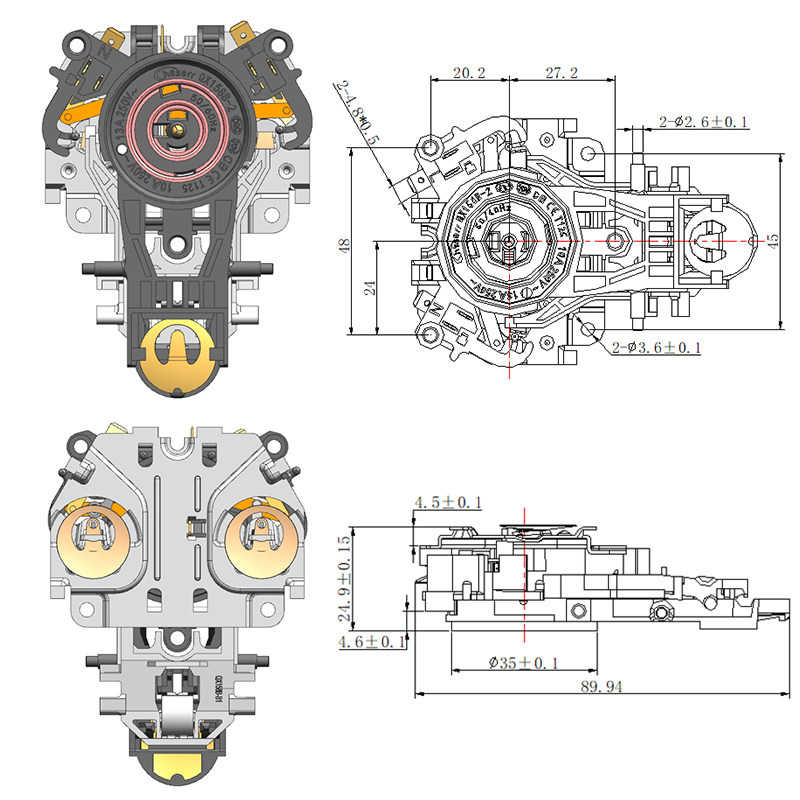
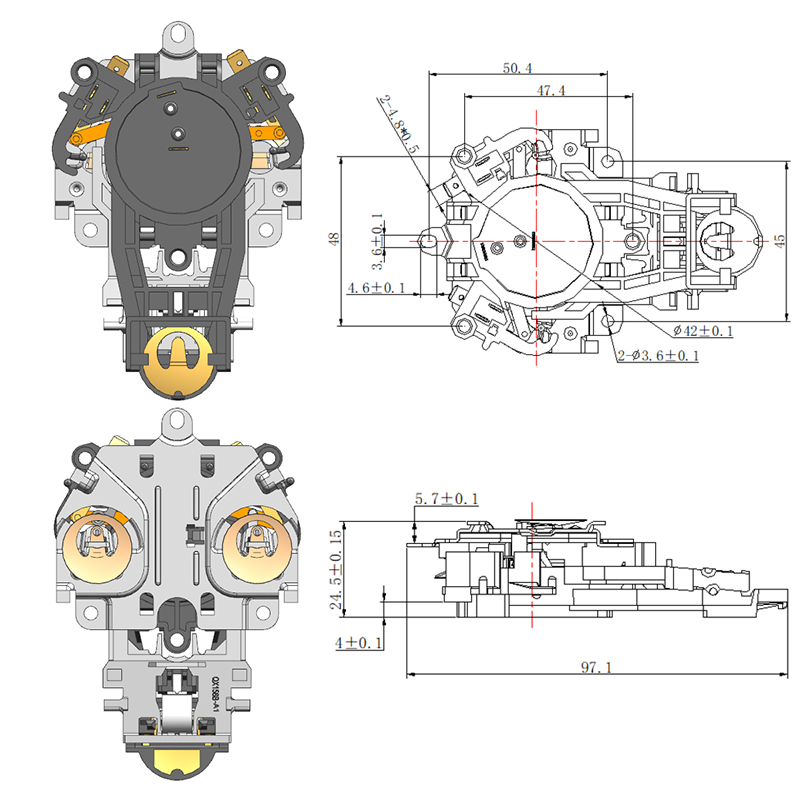
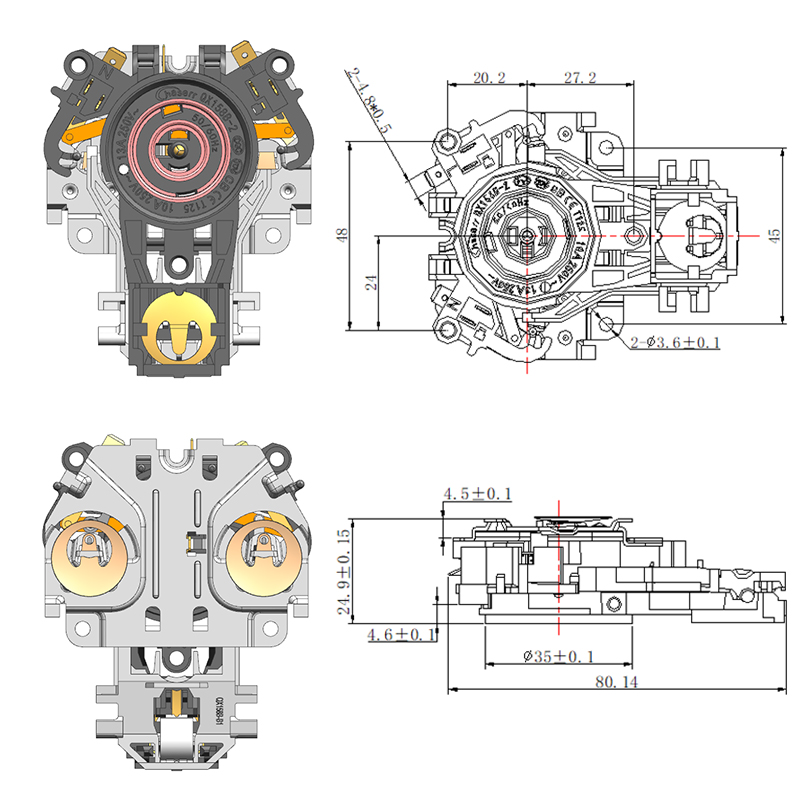
A Kettle Base Connector provides an interface between the kettle and its electrical supply feeding into it. The terminal contacts within this structure need to meet their corresponding surfaces whenever the kettle gets positioned on the base sitting on the counter.
The connector must also support genuinely normal user movement without complaint. The kettle may not get placed down with exactly the same motion every single time someone uses it, so the contact structure needs to accommodate ordinary variations in how people actually behave.
Plated terminal surfaces can support this connection by providing a genuinely controlled surface at the contact point itself. The surrounding parts stay equally important in this equation. The connector housing needs to hold the terminals in their intended positions, while flexible sections may allow limited movement within a defined range.
This creates a genuinely connected structure running from kettle placement through terminal alignment, on to surface contact, and finally reaching the electrical connection itself. A problem in one area can affect the behavior of the others down the chain.
For B2B manufacturers, this means the Kettle Base Connector should get assessed as an assembly, rather than as a collection of unrelated parts bolted together.
What Role Does a Thermostat Coupler Play in the Terminal System?
A Thermostat Coupler connects thermostat-related components within the appliance's electrical structure as a whole. Its terminals need to maintain genuinely suitable contact with their corresponding parts, so the intended electrical path can operate correctly throughout the kettle's life.
Terminal surface treatment can therefore prove relevant to thermostat-related connections, as well as the main kettle base interface handling repeated placement. The surface requirements may differ according to the location and movement of that particular terminal. A connection that remains relatively fixed may experience a genuinely different type of mechanical stress from a terminal that repeatedly engages and separates like the base coupler does.
Manufacturers need to consider the actual role of each terminal individually, rather than treating them all the same.
| Connection Area | Surface Consideration |
|---|---|
| Kettle-to-base contact | Repeated connection and separation |
| Thermostat connection | Stable electrical interface |
| Internal terminal joint | Secure component connection |
| Flexible contact | Surface wear during movement |
The Thermostat Coupler should therefore get evaluated according to its own operating position and connection structure. Using one surface treatment across every terminal, without considering its genuine function, may not provide the same result in every location within the assembly.
How Does the Bimetal Thermostat Working Principle Connect With Terminal Design?
The Bimetal Thermostat Working Principle involves a temperature-responsive bimetal element that changes position as temperature shifts around it. This movement can operate an electrical switching function within the kettle, turning it off once water reaches its target temperature.
Because the thermostat forms part of an electrical control path running through the appliance, its connections need to remain properly supported throughout. The terminal surface can influence the interface between the thermostat-related component and the surrounding electrical structure feeding into it. If the contact area changes through wear or surface deterioration, the connection may not behave in the same way as a genuinely stable contact would.
The thermostat itself is only one part of this larger system, worth remembering. Its operation depends on the relationship between the sensing element, switching structure, terminals, and related connections working together as intended. This makes terminal surface treatment genuinely relevant whenever manufacturers consider the complete assembly, rather than the thermostat alone.
The Bimetal Thermostat Working Principle explains the temperature-responsive function driving the switch, while the terminal design supports the electrical path through which that function actually interacts with the rest of the appliance.
How Can Plating Affect Manufacturing Consistency?
Terminal plating isn't only a material selection issue decided once and forgotten. The manufacturing process also influences the condition of the finished surface considerably, step by step.
Before plating happens, terminals need to get prepared properly for the process. The surface may need cleaning and treatment, so the plating can form a genuinely suitable layer on top of it. After plating gets applied, the finished terminal may require careful inspection before moving forward.
Manufacturers can examine areas such as surface coverage alongside contact area condition, and edge appearance together with attachment points. Surface cleanliness matters too, along with terminal shape after processing rounding out the review.
Consistency matters here because variations in the plated surface can affect later assembly down the line. A terminal that's slightly different from another may still look genuinely acceptable during a simple visual inspection on the line. Its behavior during assembly or repeated contact, however, may differ noticeably once it's actually put to use. Quality control therefore needs to consider both appearance and practical function together, rather than relying on looks alone.
Why Does Plating Need to Match the Base Terminal Material?
The underlying terminal material provides the mechanical structure beneath the plated layer sitting on top of it. The relationship between the base material and surface treatment can genuinely influence how the finished component behaves once it's assembled and in use.
The plating needs to remain securely attached to the underlying surface during normal handling and repeated contact over time. Poor surface preparation or unsuitable process control can cause problems at the interface between the two layers, which may become more noticeable as use continues. Manufacturers therefore need to consider the complete material structure rather than treating the plating as an isolated layer.
| Manufacturing Stage | Main Consideration |
|---|---|
| Terminal forming | Creates the required physical shape |
| Surface preparation | Removes unwanted surface conditions |
| Plating | Creates the contact surface |
| Inspection | Checks surface and component condition |
| Assembly | Places the terminal within the connector |
This sequence shows genuinely why plating can't always get treated as a separate finishing step tacked on at the end. The surface treatment needs to fit the terminal before and after assembly, not just at one point in the process.
How Can Manufacturers Control Plating Quality During Production?
Production control can help reduce genuine differences between individual terminal components coming off the line. This proves particularly relevant whenever terminals get supplied as part of larger kettle base assemblies shipped in volume.
A useful quality process can examine the surface before assembly and the finished connection after assembly, catching issues at both stages. Manufacturers may check whether the terminal remains correctly positioned, whether the plated surface covers the intended area fully, and whether the contact structure moves genuinely as designed once installed.
The assembly stage also deserves genuine attention in this review, not just the plating itself. A properly plated terminal can still perform poorly if it gets installed at the wrong position or damaged during assembly on the line. The housing and flexible support need to hold the terminal, without creating unnecessary deformation that compromises the connection.
This is exactly why surface treatment, assembly, and inspection should stay connected within the production process, rather than handled as separate checkpoints.
How Does Surface Wear Affect Long-Term Contact Behavior?
Surface wear can gradually change the way two terminals interact with each other over time. Repeated movement may alter the contact area, particularly whenever the terminal structure involves sliding or flexible movement built into the design.
The effect depends heavily on the contact design and surface treatment chosen for that particular build. If the plated surface remains genuinely stable, the terminal can continue presenting a consistent contact area throughout its service life. If the surface changes significantly instead, the underlying material may become more involved in the contact interface than originally intended.
This can make long-term wear a genuinely important consideration during product development from the start. Manufacturers can evaluate the complete contact structure by considering the terminal material, plating process, flexible support, contact pressure, and movement pattern all together as one system.
A surface that looks genuinely suitable during initial assembly doesn't necessarily provide the same behavior after repeated mechanical interaction accumulates over months of use.
What Should B2B Manufacturers Consider When Developing Electric Kettle Base Couplers?
An Electric Kettle Base Coupler needs to combine electrical connection with repeated mechanical handling throughout its working life. The terminal must remain positioned correctly, while its surface continues interacting with the mating contact day after day.
Terminal plating forms one genuine part of this requirement, worth planning carefully from the start. Manufacturers can consider several connected areas together as one picture. Terminal material should provide suitable structural support, while surface treatment should match the intended contact conditions for that application. Contact structure should accommodate normal kettle placement, and flexible sections should allow controlled movement within their designed range. Housing design should maintain terminal alignment throughout, while production inspection should check both surface condition and assembly quality before shipping.
These areas genuinely influence one another, rather than operating independently. Changing the terminal shape can affect contact movement. Changing the surface treatment can affect friction and wear over time. Changing the supporting structure can alter how pressure actually reaches the contact area itself.
For this reason, terminal plating is better understood as part of the complete connector design, rather than a separate finishing decision made late in the process. A Kettle Base Connector with a carefully considered terminal surface can provide a genuinely more consistent interface between the kettle and its base over years of use. The same design thinking can extend to a Thermostat Coupler, where terminal condition and connection stability also form part of the electrical assembly as a whole.
When manufacturers connect material preparation, plating, terminal forming, assembly, and inspection within one production process, the surface treatment becomes genuinely part of the product's functional structure, rather than simply an external finish applied at the end.
Featured Products


-
No. 2892, Ningkang East Road, Tiancheng Industrial Zone, Yueqing City, Zhejiang Province
-
 Email: Una@chaserr.cc
 -
 Phone: +86-13075775533
- GET IN TOUCH

Electric Kettle Thermostat Coupler Manufacturer