English
  中文简体
中文简体  Español
What Causes Electric Kettle Base Coupler Problems
Someone flipping the switch on their electric kettle one morning, only to find nothing happens even though it worked fine the night before, usually assumes the kettle itself has died. More often than not, though, the real culprit is something a lot smaller and easy to overlook: the base coupler. Electric Kettle Base Coupler problems typically trace back to poor contact, contamination, repeated movement, installation issues, or plain wear around the connection area. That small coupler connects the kettle to its base and lets the appliance actually draw power once it's set in place. When that connection turns unreliable, people notice interrupted heating, inconsistent operation, or a kettle that just doesn't respond when it should.
The problem isn't always the coupler itself, either. The kettle base, the contact surfaces, internal wiring, or other nearby components can all affect how well that connection actually performs. Understanding the range of possible causes helps manufacturers, repair technicians, and component buyers figure out what's actually wrong instead of guessing.
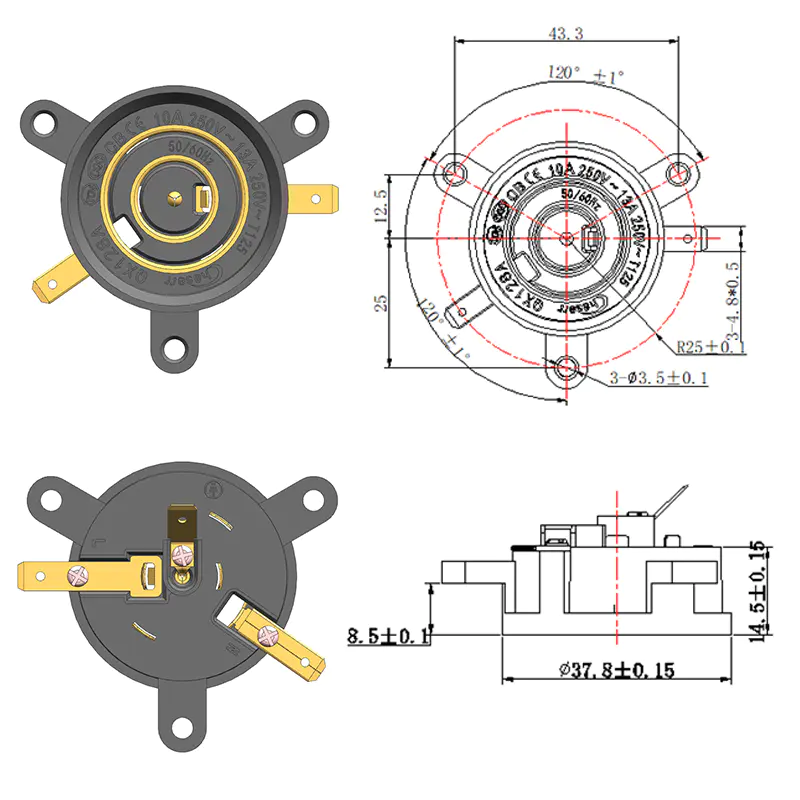
For companies working in appliance components, the coupler ends up being a lot more than some minor accessory tucked out of sight. Its design has to fit the kettle's structure, hold up to repeated placement day after day, and work properly with the appliance's electrical arrangement.
Why Electric Kettle Base Couplers Develop Problems
Electric Kettle Base Couplers run into trouble when their contact surfaces, internal connections, or surrounding structures stop working together the way they're supposed to. A kettle gets placed on its base dozens of times during normal use, sometimes several times a day in a busy household, so that connection area deals with constant movement and repeated contact.
Small changes build up gradually and eventually affect operation. Dust or residue can collect around the contact area over weeks and months. A component can loosen after enough repeated handling. The kettle might also get placed down slightly off, which stops the connection from seating the way it's meant to.
The surrounding environment plays its part too. Heat, moisture, cleaning activity, and frequent use all influence the condition of appliance components over time. A problem that seems like a simple connection fault can actually involve several parts of the kettle assembly working together incorrectly.
Manufacturers need to account for these realistic conditions during product development, not just test under ideal lab conditions. Buyers hunting for a replacement component should also share the kettle model and installation arrangement when talking to a supplier, since that context makes finding the right part a lot easier.
How Poor Contact Affects a Kettle Base Connector
Poor contact makes an Electric Kettle Base Coupler behave inconsistently because the kettle and base aren't actually connecting properly, even if everything looks fine from the outside. The contact area needs to stay clean, correctly positioned, and firmly supported for the appliance to work the way it should.
Residue is one common cause. Water marks, dust, or small particles collect around the connection area over time, and even buildup that looks minor can throw off the relationship between the kettle and its base.
Physical movement creates its own problem too. People lift the kettle, turn it, and set it back down on the base constantly throughout the day. That repeated handling gradually affects the position or condition of the contact components, even without anyone doing anything obviously wrong.
The actual design of the kettle and base matters here as well. If the Kettle Base Connector isn't correctly aligned with the kettle's structure, the appliance simply won't sit properly on the base no matter how carefully someone places it down.
This is exactly why manufacturers usually need to think about the complete connection system, rather than treating the connector as some isolated part that can be designed on its own. A well-designed connector fits the surrounding structure and holds up to how people actually handle the appliance day to day, not just how it's handled in a testing lab.
Can Heat and Moisture Cause Coupler Problems?
Heat and moisture affect an Electric Kettle Base Coupler when the connection area repeatedly deals with changing operating conditions cycle after cycle. Electric kettles naturally generate heat while they're running, and using water for boiling creates plenty of opportunity for moisture to reach areas around the base that were never meant to get wet.
The design should keep electrical connection areas reasonably protected from this. At the same time, people need to avoid letting water pool around areas that aren't built to handle it — a splash while filling the kettle, or water dripping down the side after pouring, can find its way somewhere it shouldn't.
Repeated heating and cooling puts its own stress on appliance components too. Materials expand and contract as conditions shift, and enough cycles of that over months of daily use can gradually affect how well components fit together or how surrounding connections hold up.
Moisture creates extra concerns once it actually reaches electrical parts, which is exactly why this matters so much.
This becomes especially relevant when people clean the appliance. Pouring water near the base or wiping it down might seem harmless enough, but careless cleaning can let moisture creep into areas that should stay dry no matter what.
For manufacturers, material choice and component placement inside the appliance are important considerations in coupler design. For users, regular cleaning and careful handling can help prevent issues that could otherwise be avoided.
What Role the Thermostat Coupler Plays
A Thermostat Coupler shapes kettle operation by linking temperature-related control components with the rest of the appliance system. Once the kettle reaches its intended heating point, the temperature control system needs to respond right away and stop continued heating before things go wrong.
The thermostat and coupler need to work together as one coordinated part of the appliance design. If a connection loosens or a component gets damaged, the kettle stops behaving the way anyone expects it to.
This is where understanding the Bimetal Thermostat Working Principle actually helps explain what's going on underneath the surface.
A bimetal thermostat uses two materials that respond differently to heat, bonded together as one strip. As temperature rises, that strip bends because the two materials expand at different rates, and that bending motion helps operate an electrical contact. In a kettle, this exact action supports the process of cutting off heating once the water reaches the intended temperature — it's a purely mechanical response to heat, no electronics needed.
The thermostat is only one piece of this whole system, though.
The Thermostat Coupler and other related components all need to fit correctly within the appliance as a whole. A problem in one spot can easily throw off how another part behaves, even if that other part seems fine on its own.
For component manufacturers, compatibility between these parts really matters. A replacement coupler shouldn't get picked based on looks alone — its structure and connection arrangement need to genuinely match the kettle assembly it's going into.
How Repeated Kettle Use Affects the Base Coupler
Repeated kettle use gradually stresses the Electric Kettle Base Coupler because the kettle gets lifted, moved, turned, and set back down on its base constantly throughout normal use. That repeated handling makes the connection area one of the spots that genuinely deserves attention during product design, not an afterthought.
People rarely notice this movement because it's just part of an unremarkable daily routine. A kettle might get picked up and set down half a dozen times over the course of a single day, with nobody thinking twice about how gently or roughly the base connection is being treated.
Over time, that repeated movement can affect how well components fit together or the condition of the contact surfaces themselves. A connector that works flawlessly when brand new can start behaving differently after months of everyday use, especially if its surrounding structure wasn't really built to handle that much repeated handling.
How people actually place the kettle down matters here too.
Dropping the kettle onto the base carelessly, twisting it aggressively, or moving it while it's still engaged with the base can all put unnecessary stress on the whole assembly.
Manufacturers can address a lot of this through thoughtful structural design and smart component selection from the start. Users can help too, simply by placing and lifting the kettle a bit more carefully instead of dropping it onto the base out of habit.
The goal here isn't to somehow eliminate normal, everyday movement — that's unrealistic. It's making sure the connection gets designed around that movement from the beginning, rather than treated as an unfortunate side effect.
What Installation Issues Can Affect a Kettle Base Connector
Incorrect installation affects a Kettle Base Connector by throwing off its position, its contact arrangement, or its relationship with nearby components. Even a genuinely well-suited connector might not work right if it goes in incorrectly during assembly.
The connector needs to sit exactly where it's meant to within the base or kettle structure. If it's misaligned even slightly, the kettle won't make proper contact when it's placed down, no matter how good the connector itself is.
Loose components around the connection can cause similar trouble. An internal connection that is not secured properly may shift during normal use, making the appliance seem to have an intermittent coupler issue when the actual problem comes from the way it was installed.
Replacement work calls for real care here.
A repair technician should check the whole connection area, rather than jumping straight to swapping out the visible component. The surrounding wires, mounting points, contact surfaces, and related controls might all need a closer look too.
Manufacturers can cut down on these risks by providing clear assembly guidance from the outset, so installation errors don't creep in during production or repair.
For component buyers, accurate product information matters just as much. Sharing photographs or details from the existing component helps suppliers pin down the correct replacement part instead of guessing based on a vague description.
How Manufacturers Reduce Base Coupler Problems
Manufacturers reduce Electric Kettle Base Coupler problems by designing the connection around repeated use, heat exposure, moisture risk, and realistic assembly requirements from day one. A reliable component needs to work as part of the complete kettle, not as some standalone piece designed in isolation.
Material selection matters a lot here. Whatever materials sit around the connector need to genuinely suit the appliance's operating environment, and components need to stay compatible with the surrounding housing and electrical arrangement they're paired with.
Structural support matters just as much. The connector needs to stay properly positioned through repeated placement and removal, cycle after cycle. A design that depends on overly delicate positioning tends to be more sensitive to ordinary, everyday handling than it should be.
Manufacturers also do well to think about maintenance and replacement early in development, not as an afterthought.
If a component eventually needs replacing down the line, technicians should be able to identify the right part without unnecessary confusion or guesswork. Clear component identification makes repair work a lot more manageable for everyone involved.
Testing under realistic use conditions helps manufacturers catch potential weak points before products ever reach customers, rather than discovering them through warranty claims later.
The focus really should stay on how the whole connection system behaves during normal, everyday appliance use — not just how it performs on a test bench under ideal conditions.
What Buyers Should Check When Choosing a Thermostat Coupler
Buyers should check compatibility, installation arrangement, material suitability, and overall appliance design before picking a Thermostat Coupler. A component that looks similar to the original part on the outside can still have a completely different internal structure or connection arrangement.
The appliance model and existing component need identifying before any purchase happens.
Buyers can send the supplier photographs, drawings, or details taken straight from the existing part. That makes it a lot easier to figure out whether a given replacement is actually appropriate for the job.
| Factor | Why It Matters |
|---|---|
| Appliance structure | The coupler needs to fit the kettle and base arrangement |
| Connection position | Contact points need to align with the intended location |
| Temperature environment | Materials need to suit where the component actually operates |
| Repeated use | The component needs to suit how the kettle gets placed and removed |
| Related components | The thermostat, connector, and nearby parts need to work together |
| Installation requirements | The supplier or technician should provide proper assembly information |
This kind of approach helps buyers avoid picking a replacement based purely on size or appearance, which tends to backfire once the part's actually installed and doesn't behave the way the original did.
How the Electric Kettle Base Coupler Is Evolving With Appliance Design
The Electric Kettle Base Coupler keeps evolving alongside appliance designs that put more emphasis on convenient handling, compact construction, and tightly integrated components. As kettles lean more into user convenience, the base connection needs to blend smoothly into the overall product structure rather than feeling like a separate bolted-on part.
People expect to lift the kettle, carry it to the sink, fill it, and set it back on the base without giving the connection a single thought. That means the coupler needs to support all that normal handling without ever making the appliance feel finicky or unreliable.
Manufacturers also have to balance several design demands at once here.
The base needs to offer a stable platform to set the kettle on. The connection needs to stay properly positioned through repeated use. Electrical components need reasonable protection from heat and moisture. And the kettle overall still needs to stay genuinely convenient to pick up, carry, and use throughout a normal day.
These competing demands shape how new component designs actually develop over time.
The same trend shows up with thermostat-related components too. As appliance structures keep changing, the Bimetal Thermostat Working Principle continues getting incorporated into different temperature control arrangements, while the Thermostat Coupler needs to stay compatible with whatever surrounding design it's paired with.
For component suppliers, this creates real demand for products built to fit specific appliance structures, rather than generic parts expected to work everywhere regardless of the actual kettle they're going into.
The result is a sharper focus on compatibility, assembly, material selection, and everyday usability whenever manufacturers evaluate the Electric Kettle Base Coupler and the other components working alongside it.
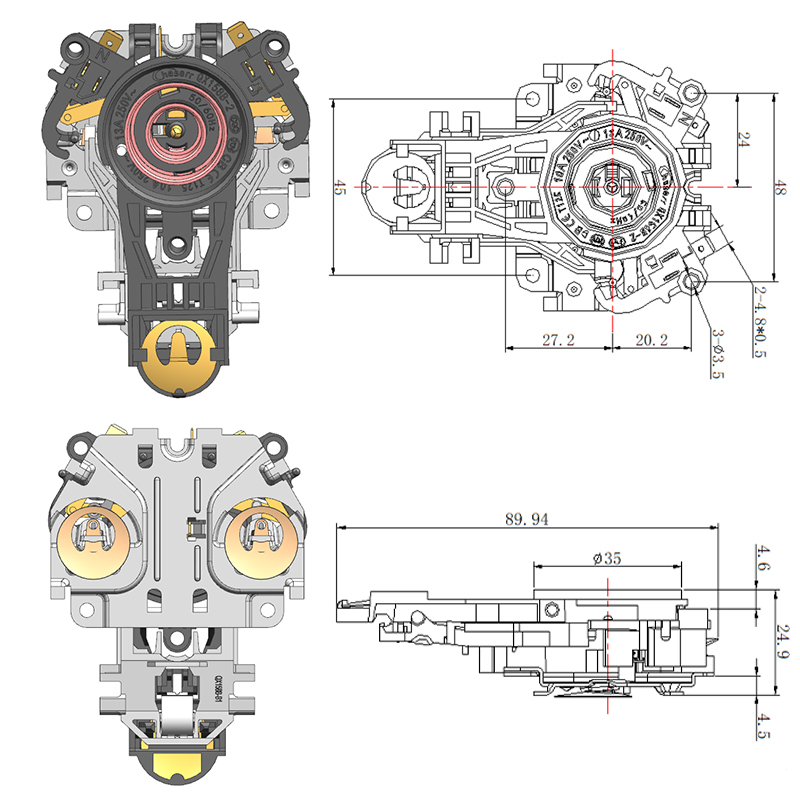
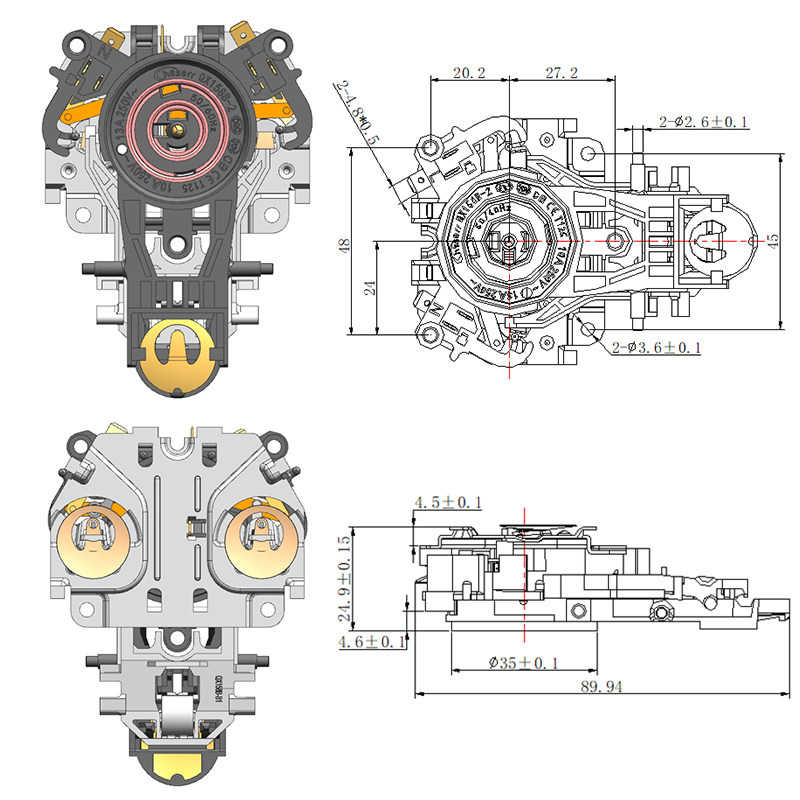
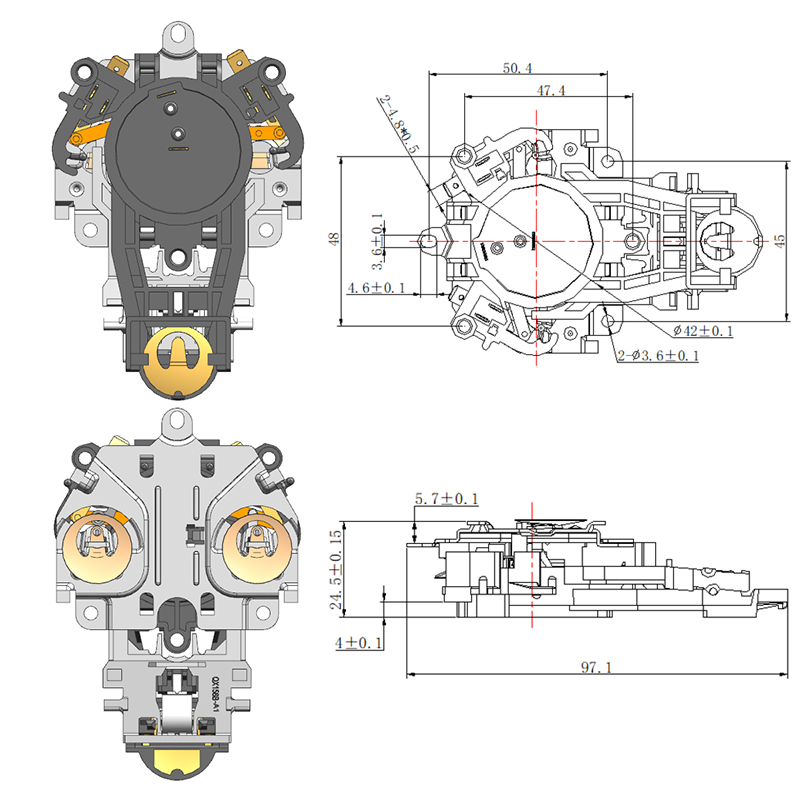
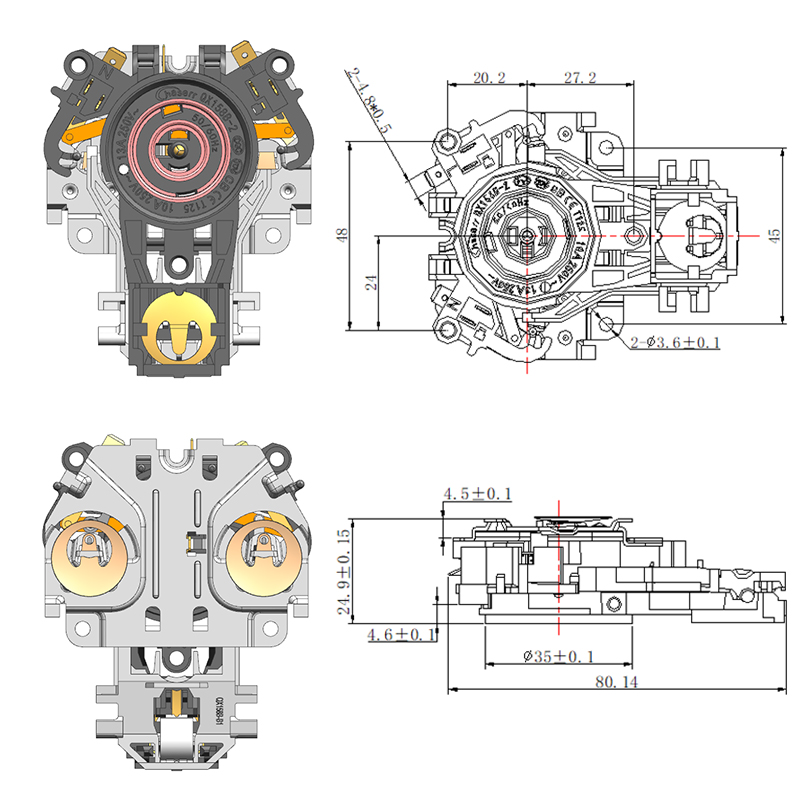
Featured Products


-
No. 2892, Ningkang East Road, Tiancheng Industrial Zone, Yueqing City, Zhejiang Province
-
 Email: Una@chaserr.cc
 -
 Phone: +86-13075775533
- GET IN TOUCH

Electric Kettle Thermostat Coupler Manufacturer