English
  中文简体
中文简体  Español
What Causes Contact Resistance in Kettle Base Connectors
An electric kettle may look genuinely simple from the outside, sitting quietly on a kitchen counter, but the electrical path inside the base depends on several small contact points working together behind the scenes. When electricity passes through these points, the quality of the connection can affect how smoothly current moves through the kettle system as a whole.
A Kettle Base Connector is one of the parts genuinely involved in this path. Its terminals need to make reliable physical contact, so electricity can move from the base toward the kettle every time someone flips the switch. Over time, however, contact surfaces can change in ways that aren't always visible at a glance. Small amounts of oxidation, surface dirt, pressure loss, wear, or movement can genuinely increase resistance at the connection.
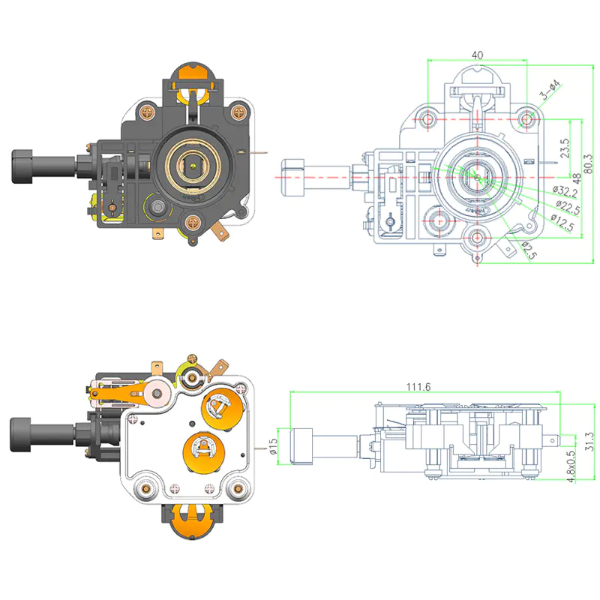
Contact resistance is therefore not caused by one factor alone sitting in isolation. The shape of the terminal, the condition of its surface, the pressure between contacting parts, and changes caused by repeated use can all genuinely influence the electrical path over months of daily brewing.
For manufacturers, understanding these changes is genuinely useful when developing connectors for electric kettles sold in large numbers. It also creates a clearer connection between the design of a Thermostat Coupler, the electrical structure of the kettle base, and the way contact surfaces behave during repeated operation year after year.
Why Does Contact Resistance Occur at Kettle Base Connections?
Two metal surfaces may appear to touch across a broad area when you look at them closely, but the actual electrical contact takes place through much smaller points on those surfaces than expected. A surface can contain tiny uneven areas that prevent complete contact from happening everywhere.
When two terminals get pressed together, current tends to pass through the points where the surfaces actually meet rather than the whole visible area. If those contact areas become smaller or less consistent, resistance can genuinely increase over time.
| Contact Factor | Possible Effect |
|---|---|
| Surface condition | Changes the available contact area |
| Contact pressure | Influences how firmly terminals meet |
| Surface contamination | Can interfere with direct metal contact |
| Repeated movement | May change the contact position |
| Material wear | Can alter the original contact shape |
This explains why a connector can look physically intact while its electrical behavior changes over time behind the scenes. The visible structure may remain genuinely recognizable, even though the actual contact points have shifted underneath.
For a kettle manufacturer, the electrical path therefore needs consideration at the level of individual terminal surfaces, rather than only at the level of the complete connector sitting on the assembly line.
How Does Terminal Surface Condition Affect Resistance?
The surface of a connector terminal plays a genuinely important role in how electricity moves between two contacting parts pressed against each other. A clean metal surface provides direct contact points that current can pass through easily.
When the surface becomes covered by oxidation, residue, or other material, the direct connection can become genuinely less consistent over repeated use. Oxidation is particularly relevant here, because metal surfaces naturally interact with their surrounding environment throughout the kettle's working life.
| Surface State | Contact Behavior |
|---|---|
| Clean metal | Direct, consistent contact points |
| Light oxidation | Slight reduction in conductivity |
| Residue buildup | Interferes with metal-to-metal touch |
| Worn texture | Alters original contact pattern |
The resulting surface layer may not conduct electricity in the same way as the underlying metal it covers. The condition can also change through repeated physical contact happening every morning. Each time two terminals meet, their surfaces may experience a small amount of rubbing or pressure against each other.
Over a long period spanning years of use, this can change the shape and texture of the contact area gradually. This creates a slow process rather than an immediate failure that shows up overnight.
Can Contact Pressure Change Electrical Resistance?
Contact pressure affects how firmly two terminals meet each time the kettle lands on its base. When the pressure is suitable, the contacting surfaces can maintain a genuinely stable connection across their available contact points throughout use.
If the pressure changes over time, the actual area through which current passes may also change unexpectedly. Too little pressure can allow small gaps or movement between surfaces during normal handling.
| Pressure Condition | Resulting Contact Quality |
|---|---|
| Stable, suitable pressure | Consistent current path |
| Insufficient pressure | Gaps or intermittent contact |
| Excessive pressure | Possible shape distortion over time |
| Uneven pressure | Inconsistent contact points |
Repeated movement can make this effect genuinely more noticeable, because the terminals may shift slightly during use as someone lifts and replaces the kettle. This doesn't mean that adding more pressure will automatically create a better connector for the job.
Excessive force can affect the physical structure of a terminal and may change its shape over time in unwanted ways. The design needs to balance firmness with the ability of the contact parts to retain their intended form throughout years of daily lifting.
How Does Terminal Shape Influence Contact Resistance?
Terminal shape determines how two conductive parts meet when the kettle gets placed on its base. A broad contact area can create several possible contact points, while a narrow or uneven structure may concentrate contact into a smaller region than intended.
The exact shape depends genuinely on the connector design and the role of each terminal within the larger assembly. For a Kettle Base Connector, the contact surface also needs to work within the limited space of the kettle base itself.
| Terminal Characteristic | Contact Consideration |
|---|---|
| Contact width | Influences available contact area |
| Surface shape | Determines how terminals meet |
| Edge form | Can affect movement between surfaces |
| Contact position | Influences the current path |
| Structural support | Helps retain terminal shape |
Designers need to consider how the terminal sits in relation to surrounding parts, while keeping the electrical path genuinely clear from obstruction. Small changes in shape can affect the contact pattern in ways that aren't obvious until tested repeatedly.
The goal isn't simply creating a large metal surface and calling it done. The contacting areas need to remain genuinely stable during normal use spanning months of daily brewing.
Why Can Repeated Use Change Contact Resistance?
Repeated use creates repeated contact between the same electrical surfaces day after day. An electric kettle may get placed on its base and lifted away many times throughout a single week alone.
Each cycle can cause small physical changes at the contact points that gradually accumulate. These changes may be difficult to notice individually at a glance, but their effects can become more apparent after repeated use over time.
| Use Pattern | Cumulative Effect |
|---|---|
| Occasional placement | Minimal surface change |
| Frequent daily use | Gradual wear accumulation |
| Rough handling | Faster shape alteration |
| Careful placement | Slower degradation |
The surfaces may develop slight wear from this constant contact and separation. The terminal shape may also change gradually if it experiences repeated pressure and movement over an extended period.
The result can be a genuinely different contact pattern from the one present when the connector was new out of the box. This is why contact resistance should get considered as a changing condition, rather than a fixed property that stays constant forever.
How Does a Thermostat Coupler Relate to Contact Resistance?
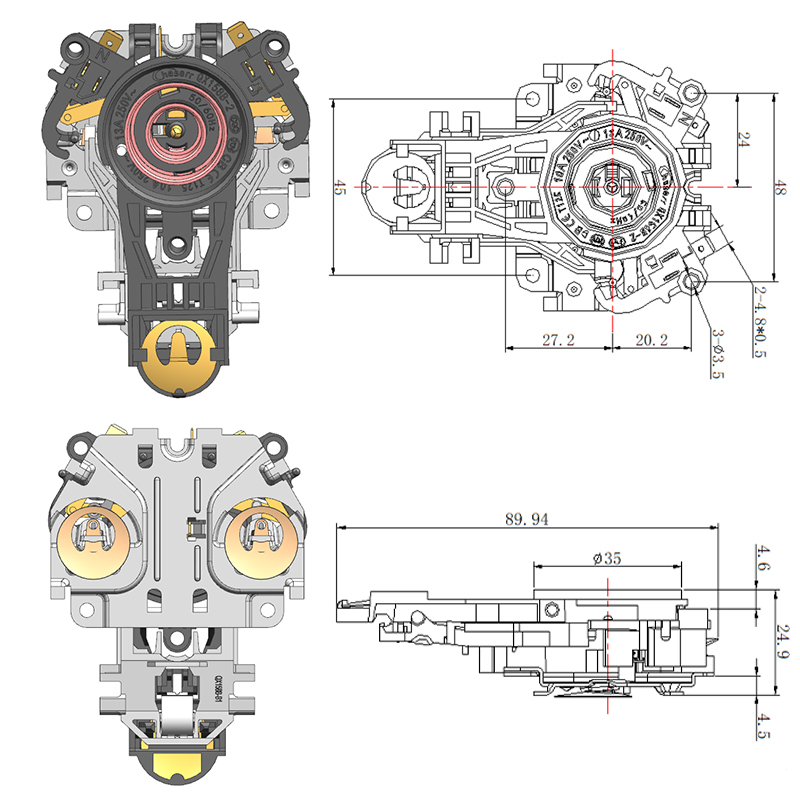
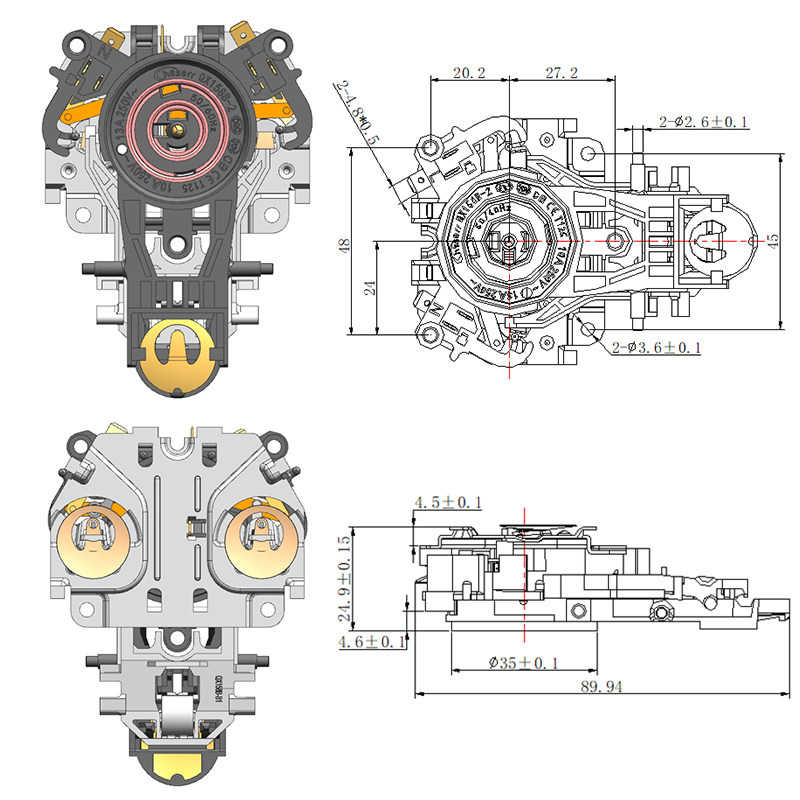
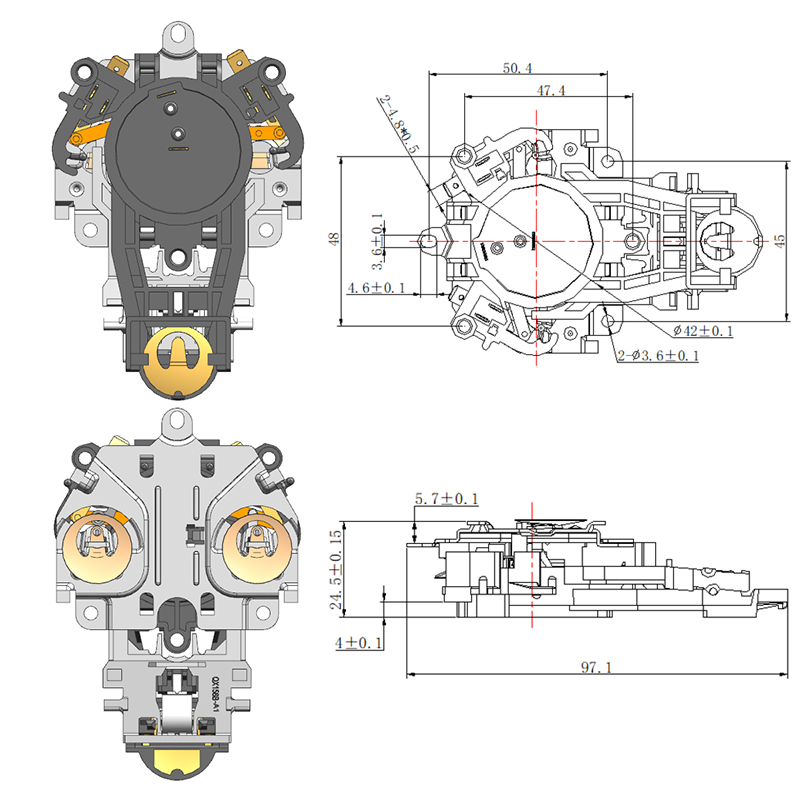
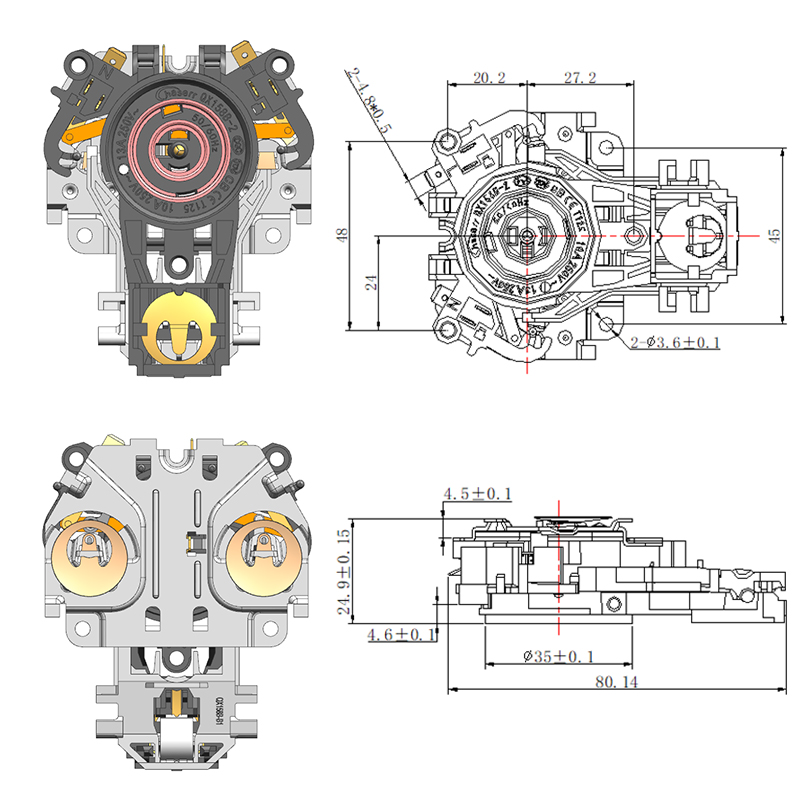
A Thermostat Coupler can form part of the electrical connection between a thermostat-related component and the surrounding circuit inside the kettle base. Its function depends genuinely on the physical connection between conductive parts sitting close together.
The terminals need to create a usable path, so electrical signals or current can move between the relevant components without interruption. The Bimetal Thermostat Working Principle provides useful background worth understanding here.
| Component | Relationship |
|---|---|
| Bimetal element | Responds to temperature changes |
| Movement | Triggers contact state change |
| Contact surfaces | Determine actual current flow |
| Surface condition | Affects reliability of the switch |
A bimetal thermostat uses materials that respond differently to changes in temperature, causing the element to move as conditions shift during heating. That movement can be genuinely associated with changes in an electrical contact state within the assembly.
The important point for contact resistance isn't the temperature-control function itself, interesting as that mechanism is. It's the physical condition of the electrical contacts involved in making that switch happen reliably.
If the contact surfaces become uneven, oxidized, worn, or less firmly connected, the electrical path can genuinely change over time. This creates a link between the thermostat structure and the connector design worth keeping in mind.
What Role Does a Kettle Base Connector Play in the Current Path?
The kettle base provides a genuinely important connection between the external electrical supply and the kettle's internal electrical components hidden inside the housing. The Kettle Base Connector forms part of this route running through the whole appliance.
Its terminals need to create stable contact with the corresponding conductive areas when the kettle gets placed on the base each morning. The current path can be viewed as a sequence of connected sections working in order.
| Path Segment | Function |
|---|---|
| Power source | Supplies incoming electricity |
| Base connection | Links wall power to kettle interface |
| Kettle contact | Transfers current into the vessel |
| Internal circuit | Powers the heating element |
Every connection point in this path has its own genuinely individual physical condition that can change independently. If one contact becomes less stable, the overall electrical path can genuinely get affected downstream.
This doesn't mean that every change will cause an obvious problem immediately after it happens. Small increases in resistance can develop gradually as the contact surface changes over repeated use throughout a kettle's working life.
How Does Surface Contamination Affect Terminal Contact?
Contact surfaces can collect genuinely small amounts of material during normal product use sitting in a kitchen environment. Dust, residue, moisture-related deposits, and particles from surrounding materials can settle near the connector over time.
Even a thin layer can genuinely change the direct relationship between two metal surfaces trying to meet properly. The effect depends heavily on where the material is located and how firmly it remains attached to the surface.
| Contamination Location | Likely Impact |
|---|---|
| Outside main contact area | Minimal effect on current flow |
| Directly between surfaces | Reduces available contact points |
| Accumulated over time | Gradually worsens connection |
| Loosely attached particles | May clear with normal movement |
A particle sitting outside the main contact area may have genuinely little effect on overall performance. Material located directly between two conductive surfaces can reduce the available contact points significantly, though.
This is especially relevant for small terminals, because their contact areas are genuinely limited to begin with. Manufacturers can therefore consider how exposed the contact surfaces are and how the surrounding structure affects the path through which unwanted material may reach them.
Can Material Selection Affect Contact Resistance?
The material used for a terminal affects its surface behavior, physical form, and ability to remain suitable for repeated contact over years of service. Different conductive materials can respond genuinely differently to environmental exposure and physical wear encountered in daily kitchen use.
Some surfaces may develop changes more readily than others depending on their composition. The mechanical properties of the material can influence how well the terminal retains its shape after thousands of placement cycles.
| Development Stage | What Happens |
|---|---|
| Original material | Provides the conductive surface |
| Repeated contact | Changes the surface gradually |
| Environmental exposure | Affects the surface layer |
| Physical wear | Changes the contact area |
| Resulting condition | Influences the current path |
Material selection is therefore genuinely connected with both electrical and physical considerations that manufacturers weigh together. For a Kettle Base Connector, the material needs to support the intended current path, while also remaining suitable for repeated contact throughout a product's expected lifespan.
This gradual relationship helps explain why material choice can't get separated completely from contact resistance discussions during design.
Why Does Contact Area Matter for a Thermostat Coupler?
A Thermostat Coupler may contain genuinely small conductive contact areas that need to connect with another part of the circuit reliably. The actual electrical connection doesn't depend only on the overall size of the coupler sitting in the assembly.
It depends on where the conductive surfaces meet and how stable those contact points remain over repeated switching. A larger visible terminal doesn't automatically mean that the current has a larger effective contact area in practice.
| Design Factor | Practical Impact |
|---|---|
| Visible terminal size | Doesn't guarantee larger contact area |
| Surface shape | Determines actual meeting points |
| Applied pressure | Influences effective contact |
| Available space | Limits design options |
Surface shape and pressure still genuinely influence the points where the two conductive materials actually meet each other. This is particularly relevant in compact kettle components where available space is genuinely limited by the overall housing.
Designers may need to balance the physical size of the coupler with the need to create stable contact surfaces that survive years of thermal cycling. The surrounding structure can also affect whether the terminal remains in its intended position during repeated operation.
How Can Long-Term Contact Change the Electrical Path?
Long-term use can gradually change several parts of a connector at the same time, compounding small effects into something noticeable. The terminal may experience surface wear from thousands of contact cycles over its working life.
Its contact area may change shape subtly with each use. The pressure between two surfaces may become genuinely less consistent as springs or supporting structures age.
| Long-Term Change | Possible Effect on Contact |
|---|---|
| Surface wear | Changes actual contact points |
| Shape change | Alters how terminals meet |
| Pressure change | May reduce contact stability |
| Oxidation | Can affect direct metal contact |
| Repeated movement | Can shift contact position |
None of these changes needs to be genuinely large on its own to matter eventually. When several occur together over months and years, however, the electrical path can become genuinely different from the original condition when the kettle was new.
This is why a connector should get considered as a physical system, rather than simply a piece of conductive material sitting in a housing. Its electrical behavior depends on how the parts continue to meet during use throughout the product's life.
How Does an Electric Kettle Base Coupler Handle Repeated Contact?
An Electric Kettle Base Coupler connects the kettle with its base and therefore operates through repeated contact between corresponding parts every single day. The coupler needs to retain its intended position while the kettle gets placed onto and removed from the base repeatedly.
Every movement can create a genuinely small change at the contact surface that accumulates over time. A practical design considers the relationship between the coupler, terminal shape, contact pressure, and supporting structure holding everything together.
| Design Element | Role in Repeated Contact |
|---|---|
| Coupler positioning | Guides consistent placement |
| Terminal shape | Determines contact pattern |
| Contact pressure | Maintains connection stability |
| Supporting structure | Prevents excessive movement |
If the supporting structure allows excessive movement, the terminals may not meet in the same way every single time someone sets the kettle down. If the contact surface changes shape through wear, the available contact points may also genuinely change over time.
The coupler is therefore part of a larger mechanical and electrical relationship working together. Its performance can't get understood only by looking at the conductive material in isolation from its surroundings.
What Design Factors Can Help Control Contact Resistance?
Contact resistance is influenced by several connected design choices that manufacturers need to weigh together carefully. A manufacturer can examine the terminal material, contact surface, pressure, position, and surrounding support as one genuinely interconnected system.
The design process can ask practical questions worth considering during development.
| Design Question | Purpose |
|---|---|
| Where will actual contact occur? | Guides terminal placement |
| How will the terminal retain position? | Ensures consistent contact |
| How might repeated contact change the surface? | Anticipates long-term wear |
| How will surrounding structure protect the area? | Reduces contamination risk |
| What happens with residue buildup? | Plans for real-world conditions |
These questions are genuinely useful, because contact resistance is rarely caused by one isolated feature acting alone. For Kettle Base Connector development, the terminal should get considered together with the base structure surrounding it.
For a Thermostat Coupler, the contact area needs to correspond with the surrounding thermostat assembly it works alongside. For an Electric Kettle Base Coupler, repeated placement and removal of the kettle become part of the design conditions from the very start.
The same principle applies when examining the Bimetal Thermostat Working Principle from an electrical connection perspective rather than a purely thermal one. The movement of the bimetal element may change an electrical contact state, but the quality of that contact still depends on the physical condition of the conductive surfaces involved.
Understanding these relationships gives manufacturers a genuinely clearer way to examine why contact resistance changes over time in everyday kitchen appliances. Surface condition, contact pressure, terminal shape, material behavior, repeated movement, and the surrounding structure all influence the path through which current passes every time someone brews a cup of tea.
Featured Products


-
No. 2892, Ningkang East Road, Tiancheng Industrial Zone, Yueqing City, Zhejiang Province
-
 Email: Una@chaserr.cc
 -
 Phone: +86-13075775533
- GET IN TOUCH

Electric Kettle Thermostat Coupler Manufacturer