English
  中文简体
中文简体  Español
Understanding the Kettle Steam Switch
Introduction to Kettle Steam Switch
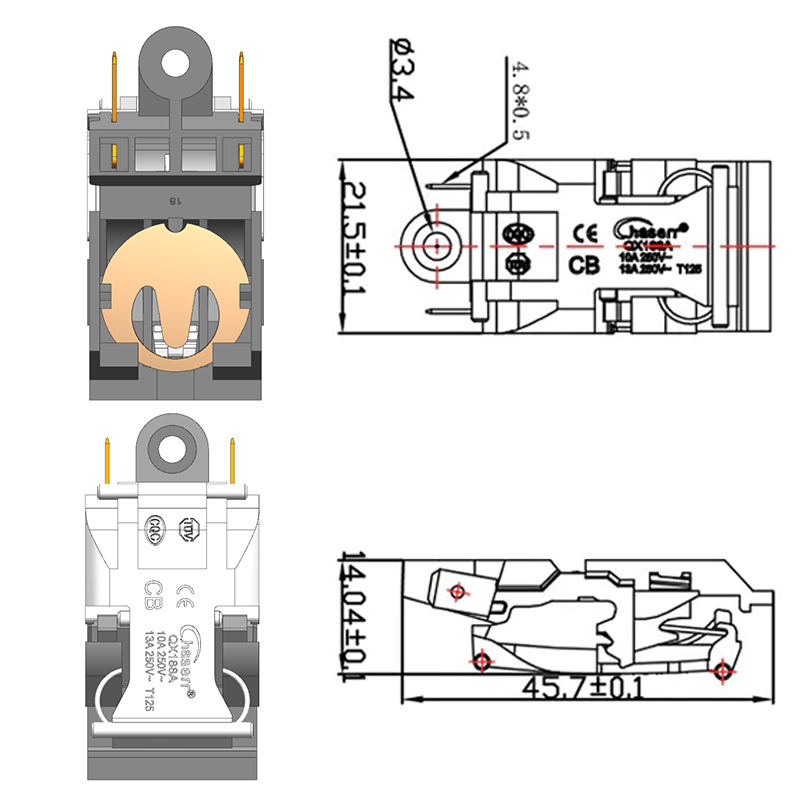
Definition and purpose: The Kettle Steam Switch is a crucial component in modern electric kettles, responsible for controlling the heating process and regulating steam generation.
Automatic operation: This switch detects when the water has reached the boiling point and either maintains the temperature or shuts off the heating element automatically.
Importance for safety and efficiency: By controlling steam production, the switch prevents overheating, reduces energy waste, and ensures consistent performance.
How the Kettle Steam Switch Works
- Temperature sensing mechanism: The switch monitors water temperature through a bimetallic strip or electronic sensor. Once boiling is detected, it triggers a response.
- Automatic shut-off: Most kettle steam switches turn off the heating element immediately after water reaches 100°C, stopping further boiling and preventing accidents.
- Steam regulation: In addition to cutting power, the switch can modulate steam release, preventing excessive pressure buildup in enclosed kettle designs.
Benefits of Using a Kettle Steam Switch
Enhanced safety:
- Prevents dry boiling, which can damage the kettle or cause electrical hazards.
- Reduces the risk of burns from uncontrolled steam or spillage.
Energy efficiency:
- Automatically stops heating once the desired temperature is reached, conserving electricity.
- Maintains hot water without continuous power draw.
Convenience for users:
- Eliminates the need for manual monitoring.
- Ensures consistent water temperature every time, which is ideal for tea, coffee, or cooking purposes.
Impact on Steam Production
- Consistent steam generation: The switch ensures that water vaporizes at the suitable temperature, producing reliable steam for different needs.
- Avoiding weak or excessive steam: Without a proper switch, water may not reach full boiling consistently, resulting in weak steam. Conversely, overheating can produce excessive steam, potentially causing spillage.
- Enhanced appliance performance: Properly controlled steam improves overall efficiency and prolongs the kettle’s lifespan.
Types of Kettle Steam Switches
- Mechanical switches:
Typically, use a bimetallic strip that bends when heated, breaking the circuit when the boiling point is reached.
Simple, reliable, and cost-effective.
- Electronic switches:
Utilize digital sensors to detect temperature changes.
Can offer precise control over heating, steam modulation, and even multiple temperature settings.
- Hybrid systems:
Combine mechanical reliability with electronic accuracy.
Provide consistent steam output while ensuring safety and energy efficiency.
Common Issues and Maintenance Tips
Faulty switch detection:
If the switch fails, water may not stop boiling, causing energy waste and potential hazards.
Scaling and deposits:
- Mineral buildup from hard water can interfere with proper temperature sensing.
- Regular descaling helps maintain switch sensitivity and reliable steam output.
Wear and tear:
- Mechanical switches can weaken over time, and electronic sensors may drift in accuracy.
- Periodic inspection and replacement are recommended to ensure safe operation.
Choosing the Right Kettle with a Reliable Steam Switch
- Look for quality components: High-quality kettle steam switches offer precise temperature control and durability.
- Consider user requirements: If multiple temperature settings are needed for tea or coffee, choose an electronic switch.
- Safety certifications: Ensure the kettle meets international safety standards, which often include switch reliability tests.
- Maintenance convenience: A kettle with an accessible switch and easy descaling options prolongs appliance life and performance.
The Kettle Steam Switch is an essential feature that enhances both safety and convenience in modern kettles. By automatically controlling temperature and regulating steam output, it prevents overheating, conserves energy, and ensures consistent performance. Understanding its function, types, and maintenance needs helps users select reliable appliances while improving efficiency. With growing demand for smart and automated kitchen appliances, kettles equipped with high-quality steam switches are becoming increasingly popular, offering a good blend of safety, convenience, and performance.
Featured Products


-
No. 2892, Ningkang East Road, Tiancheng Industrial Zone, Yueqing City, Zhejiang Province
-
 Email: Una@chaserr.cc
 -
 Phone: +86-13075775533
- GET IN TOUCH

Electric Kettle Thermostat Coupler Manufacturer