English
  中文简体
中文简体  Español
Electric Kettle Coupler Stability and Safety
Introduction to Electric Kettle Coupler
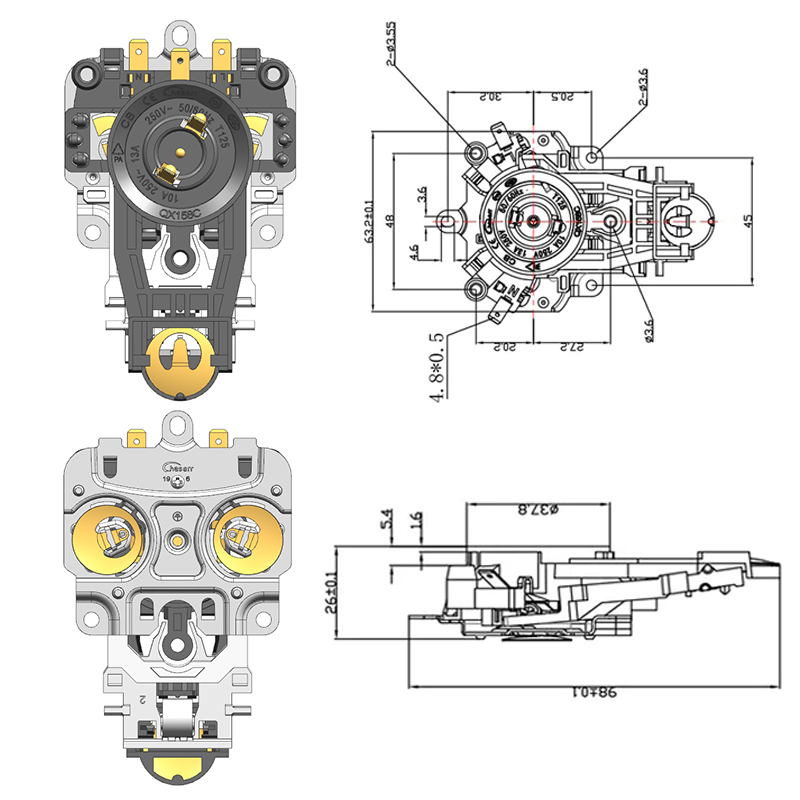
Definition and purpose: The Electric Kettle Coupler is the interface between the kettle body and its base. It allows electrical power to flow safely from the base to the kettle, enabling heating.
Importance of stability: A stable connection ensures that electricity flows consistently, providing reliable heating and maintaining appliance safety.
Early warning of problems: Users may not notice minor instability initially, but it can gradually affect performance and safety over time.
How the Coupler Affects Heating Performance
Consistent electrical contact:
- A stable coupler allows continuous power transfer to the heating element.
- If the connection is unstable, intermittent contact can cause the kettle to heat unevenly or slowly.
Impact on temperature:
- Unstable connections may prevent the water from reaching full boiling temperature.
- This can result in weak steam output or incomplete heating, affecting the user experience.
Power interruptions:
- Small gaps in the contact can trigger temporary power loss, causing the heating element to switch on and off repeatedly.
- This cycling not only reduces efficiency but also increases energy consumption.
Safety Concerns of an Unstable Coupler
Electrical arcing:
- Poor contact points can generate sparks or small arcs, which are potential fire hazards.
- Over time, this can damage the kettle base and reduce the lifespan of the coupler.
Overheating:
- Fluctuating power can cause the heating element or surrounding components to overheat.
- Overheated components may deform, melt insulation, or trigger automatic shutdowns if available.
Short circuits and shock risk:
- Loose connections increase the chance of short circuits, which can be dangerous for the user.
- Water or steam leaks combined with electrical instability further amplify safety risks.
Signs of an Unstable Electric Kettle Coupler
- Intermittent heating: The kettle heats up sometimes but stops randomly during operation.
- Sparks or unusual noise: Visible sparks or crackling sounds from the base indicate contact instability.
- Physical looseness: If the kettle wobbles or does not sit securely on the base, it is a warning sign.
- Slow boiling or inconsistent steam: Water takes longer to boil, or steam output fluctuates noticeably.
- Unusual smells or discoloration: Overheating or arcing may produce a burnt smell or discoloration around the contacts.
Causes of Coupler Instability
- Wear and tear: Frequent use over time can loosen the pins or connectors.
- Accumulated debris or scale: Mineral deposits from hard water may interfere with proper contact.
- Manufacturing defects: Poor design or material choice can cause premature instability.
- Physical damage: Dropping the kettle or base may bend pins or deform contact surfaces.
Maintenance Tips to Ensure Stability
- Regular cleaning: Wipe the contacts and remove scale buildup to maintain good conductivity.
- Inspect physical fit: Ensure the kettle sits securely on the base without wobbling.
- Avoid harsh handling: Handle the kettle and base gently to prevent bending or loosening the coupler.
- Replace worn components: If the coupler shows signs of wear, replace it with a compatible part to ensure safe operation.
Choosing a Quality Kettle Coupler
- High-quality materials: Select couplers made of durable metals and heat-resistant plastics to withstand repeated use.
- Certified products: Look for safety certifications such as CE, UL, or CCC, which indicate reliable design and testing.
- Design features: Some couplers include spring-loaded pins or three-ring connectors that enhance stability and contact reliability.
An unstable Electric Kettle Coupler can significantly affect both heating performance and safety. Users may experience slow or uneven boiling, inconsistent steam, and intermittent power. More critically, unstable connections can cause arcing, overheating, short circuits, or other hazards. Regular inspection, cleaning, and timely replacement of worn couplers are essential for safe and reliable kettle operation. By understanding the role of the coupler and recognizing early warning signs, users can prevent accidents and maintain suitable appliance performance.
Featured Products


-
No. 2892, Ningkang East Road, Tiancheng Industrial Zone, Yueqing City, Zhejiang Province
-
 Email: Una@chaserr.cc
 -
 Phone: +86-13075775533
- GET IN TOUCH

Electric Kettle Thermostat Coupler Manufacturer