English
  中文简体
中文简体  Español
Protection Against Leaks and Dry-Boil Risks in Kettle Systems
How Do Their Leak-Prevention Mechanisms Differ?
The Water Supply Control Kettle Coupler introduces a more sophisticated and tightly managed water-path system than traditional mechanical inlet components, offering clear advantages in leak prevention.
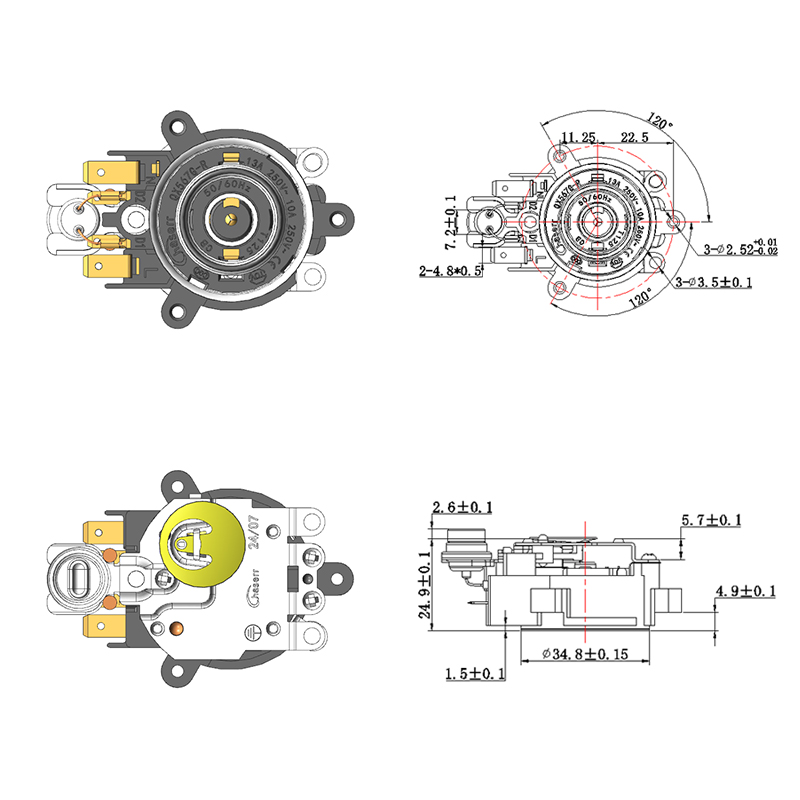
• It uses a sealed structural layout that reduces the number of exposed connection points, reducing the chances of water seepage from joints and fittings.
• Electronic or sensor-assisted flow detection allows the system to regulate when and how water enters the kettle, preventing overfilling, which is one of the common causes of leakage in conventional designs.
• Many modern couplers integrate automatic shutoff valves that close instantly when abnormal flow is detected, such as sudden pressure drops or unexpected backflow, offering an additional line of protection.
In contrast, traditional mechanical inlet components rely on purely physical mechanisms that can degrade over time. Wear in springs, seals, and pivots increases the probability of slow leaks or incomplete valve closure. Because mechanical systems lack real-time sensing, they cannot adapt to unexpected fluctuations in water pressure or flow, making them more prone to accidental drips or overflow during long-term use.
Why Are Modern Systems Better at Preventing Dry-Boil Conditions?
Preventing dry-boil scenarios—where the heating element operates without sufficient water—is one of the critical safety functions of any kettle system.
• The Water Supply Control Kettle Coupler often includes temperature and water-presence detection capabilities, ensuring that heating is allowed only when water is present in the chamber.
• Sensor feedback loops help the kettle identify inadequate water levels early, triggering immediate power cut-off or blocking the heating cycle entirely.
• The system can also coordinate water supply timing with heating activation, meaning the kettle never starts heating before water has fully entered.
Mechanical components cannot deliver such coordinated control. Traditional inlet mechanisms operate independently from heating systems and do not ensure that sufficient water is present before the heating element activates. They depend solely on user behavior, which introduces risk. If the water supply is blocked, reduced, or mistakenly left off, the kettle can easily enter a dry-boil state, causing rapid overheating and potential damage.
What Structural Advantages Improve Long-Term Safety?
Modern kettle couplers feature materials and designs that extend system reliability.
• Durable polymer composites, stainless steel valve elements, and high-temperature seals significantly reduce wear compared to older rubber-based mechanical parts.
• The simplified internal geometry of modern couplers reduces friction points, lowering the risk of mechanical fatigue or deformation that could cause leaks or incomplete valve closure.
• Integration with electronic controllers allows self-check routines that detect early signs of malfunction, such as delayed filling or inconsistent flow rate.
Mechanical inlet assemblies, by contrast, degrade more quickly due to repeated physical stress. Springs weaken, seals crack, and internal surfaces collect mineral deposits—especially in regions with hard water. These issues gradually compromise precision, increasing the probability of water escaping or failing to enter properly.
How Does Intelligent Coordination Improve Safety Performance?
One of the defining strengths of modern systems is the synchronized operation between water intake, sensing elements, and heating control.
• The coupler communicates with the kettle’s control board, ensuring that each process—water entry, temperature detection, and heating activation—occurs in the correct order.
• This synergy reduces human error and eliminates the guesswork built into older mechanical designs.
• Intelligent flow control also ensures pressure shock and prevents sudden surges, which can cause micro-leaks or stress fractures in traditional components.
Mechanical systems offer no such communication. Because water entry and heating operate independently, there is a higher chance of mismatched timing that can cause dry boiling, overfilling, or valve malfunction.
Featured Products
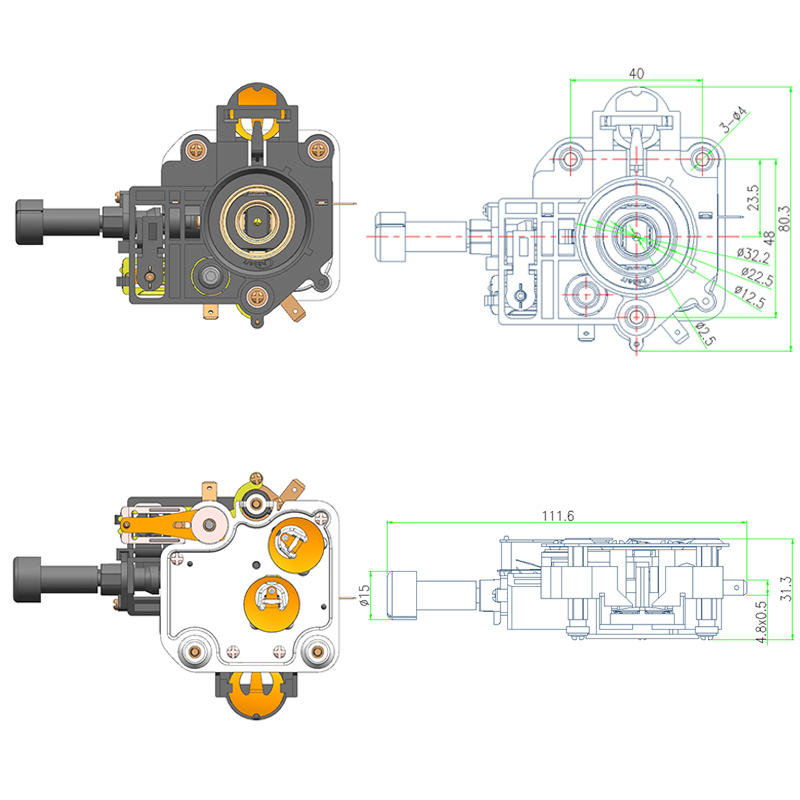

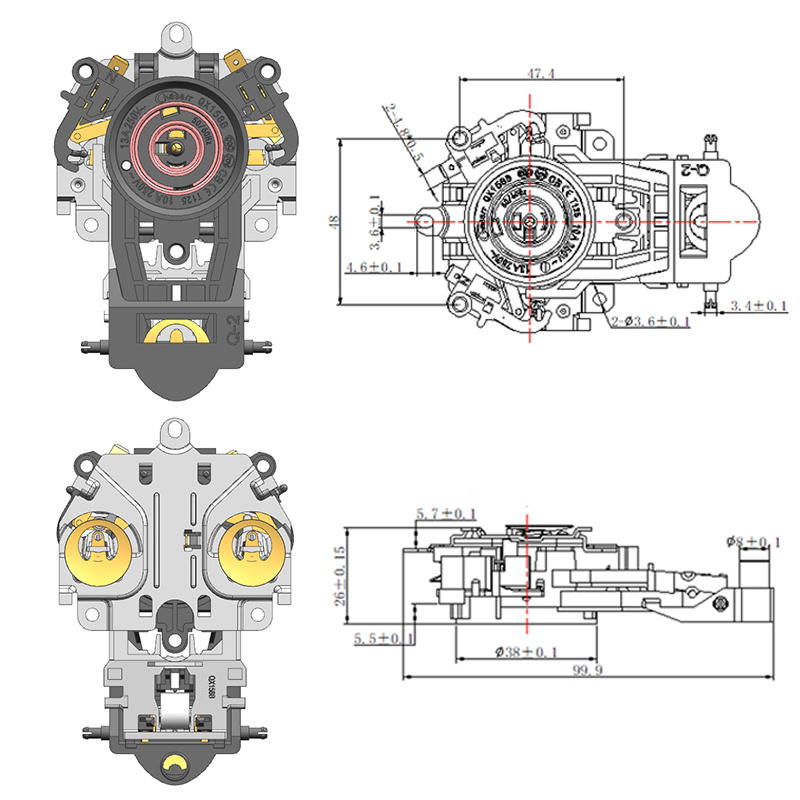
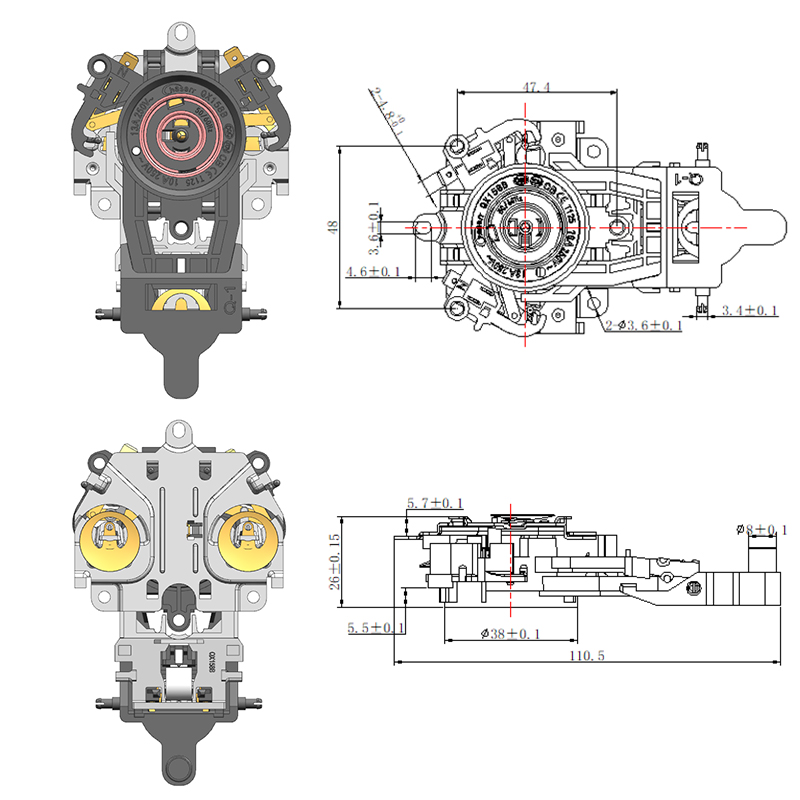

-
No. 2892, Ningkang East Road, Tiancheng Industrial Zone, Yueqing City, Zhejiang Province
-
 Email: Una@chaserr.cc
 -
 Phone: +86-13075775533
- GET IN TOUCH

Electric Kettle Thermostat Coupler Manufacturer