English
  中文简体
中文简体  Español
Kettle Base Connector vs Whole New Kettle Cost
Flipping the switch on a kettle that suddenly refuses to heat is annoying enough on its own, but the real headache starts once you're staring at two options, order a replacement part or just buy a new kettle outright. A Kettle Base Connector often turns out to be the actual culprit behind a dead kettle, and swapping that single part can cost a fraction of what a full replacement unit runs, assuming the rest of the appliance still works fine. Anyone who's tossed out a perfectly good kettle body because of one failed connection point knows exactly how wasteful that decision can feel in hindsight. Figuring out whether your situation calls for a simple part swap or a full replacement isn't always obvious though. It depends on what's actually broken, how accessible the connector is, and whether the rest of the kettle's internals are still in decent shape. Working through that assessment properly saves both money and unnecessary waste.
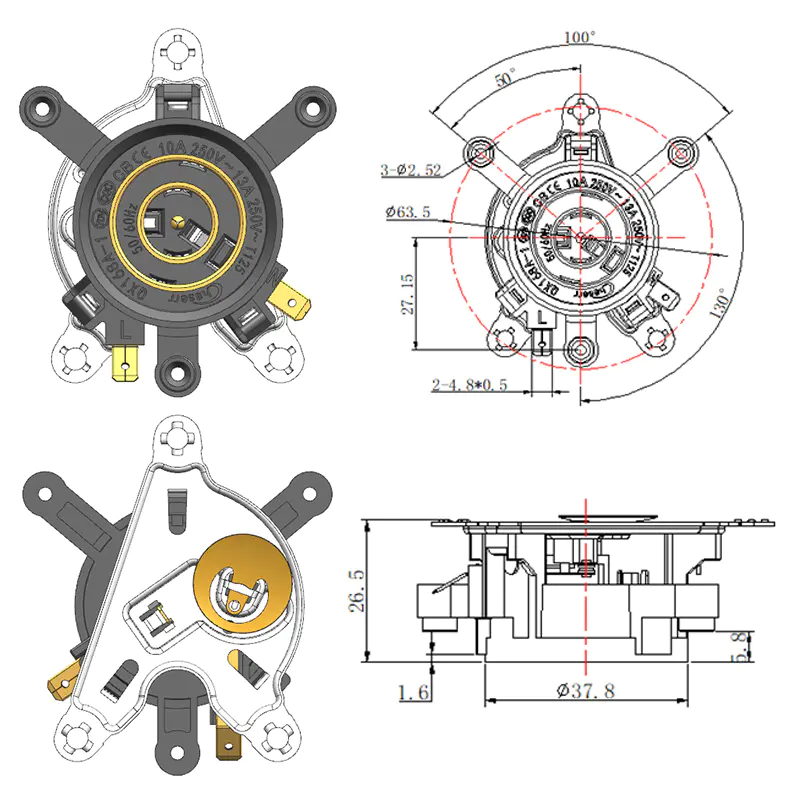
How Do You Know the Connector Is Actually the Problem?
Before deciding anything about repair or replacement, confirming what's actually broken matters most. A kettle that stops heating may have several possible causes, and replacing the connector without checking the actual issue can result in unnecessary spending on a part that may still be working properly.
- Check whether the base and kettle body separate cleanly and reconnect firmly, since a loose or worn connection point often shows visible wear, scorching, or looseness around the contact area.
- Test whether other outlets or power sources produce the same failure, ruling out a simple power supply issue rather than an internal component problem.
- Listen and watch for any response at all when the kettle is switched on, a complete lack of any sound, light, or warmth generally points toward a connection failure rather than a more complex internal fault.
- Inspect the connector contacts for corrosion, discoloration, or physical damage, since visible wear here is often the clearest sign the fault sits specifically at that connection point.
Coupler testing along these lines helps narrow down whether the issue is genuinely isolated to the connection point, or whether something deeper inside the kettle, like the heating element or thermostat, has actually failed instead.
Could the Problem Be a Thermostat Issue Instead?
This distinction matters enough to address directly, since thermostat and connector problems can produce similar symptoms but require completely different fixes.
A bimetal thermostat switch works by using two bonded metal strips that expand at different rates as temperature rises, eventually bending enough to break the electrical circuit and shut off heating once water reaches boiling point. Understanding this bimetal thermostat function helps explain why a failed thermostat sometimes mimics a connector problem, the kettle stops heating in both cases, but the actual point of failure sits somewhere entirely different inside the appliance.
If the connector tests fine, contacts look clean, connection feels secure, but the kettle still won't heat, the thermostat component deserves a closer look before assuming the whole unit needs replacing.
What Actually Determines Connector Replacement Cost?
Once the connector is confirmed as the actual problem, a few factors shape how much a replacement genuinely costs compared to buying an entirely new kettle.
- Part availability matters considerably, since a common, widely used connector design typically costs less and arrives faster than a proprietary or discontinued component that requires special sourcing.
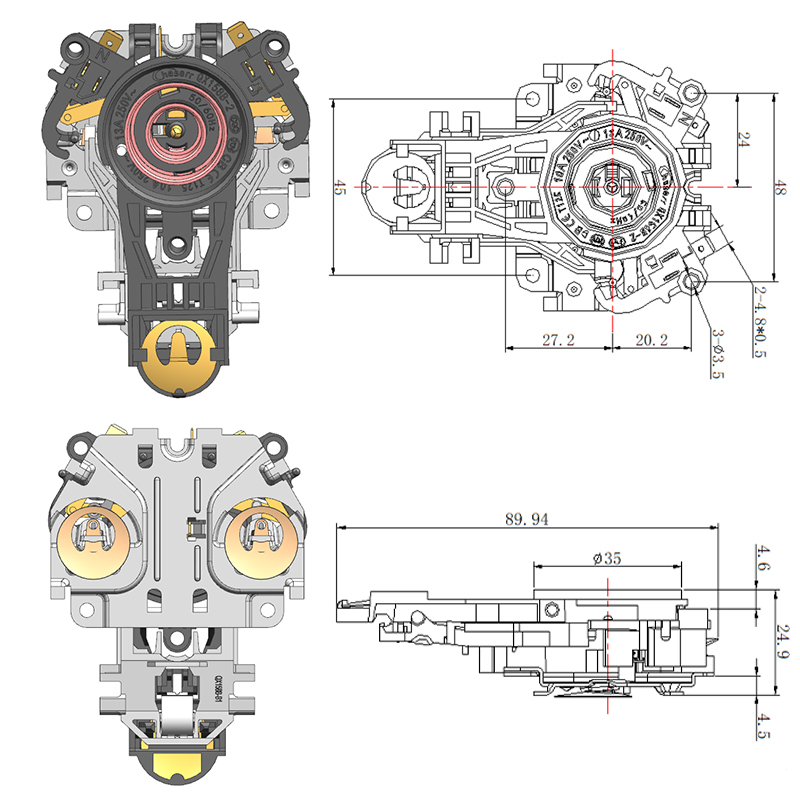
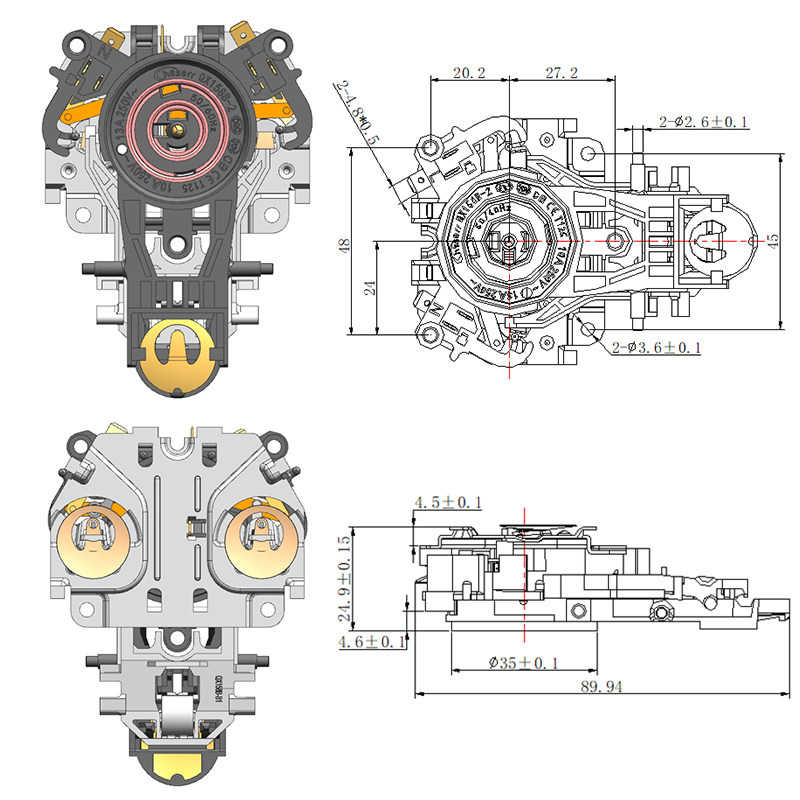
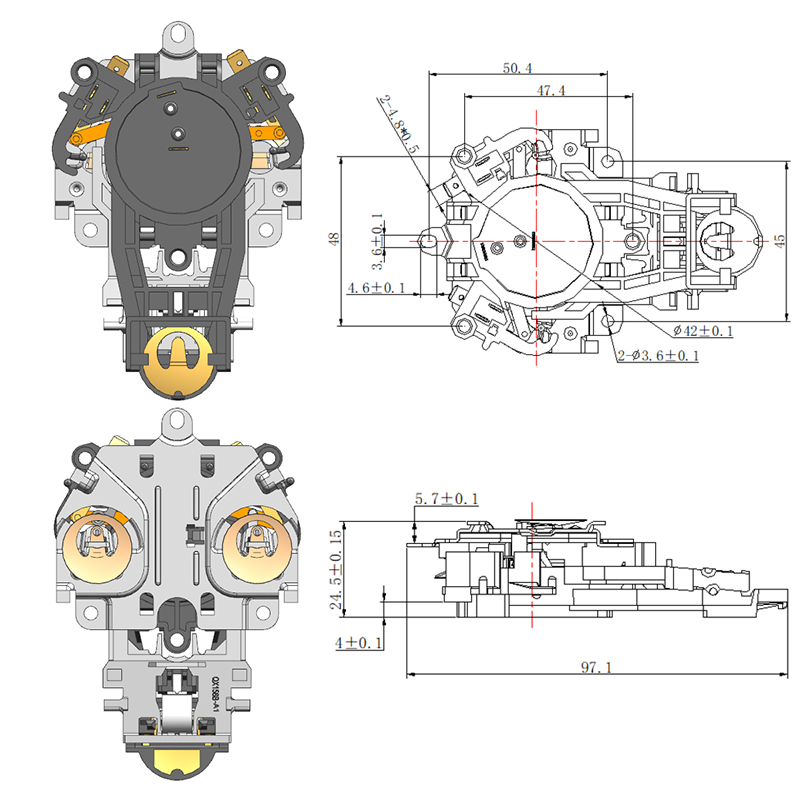
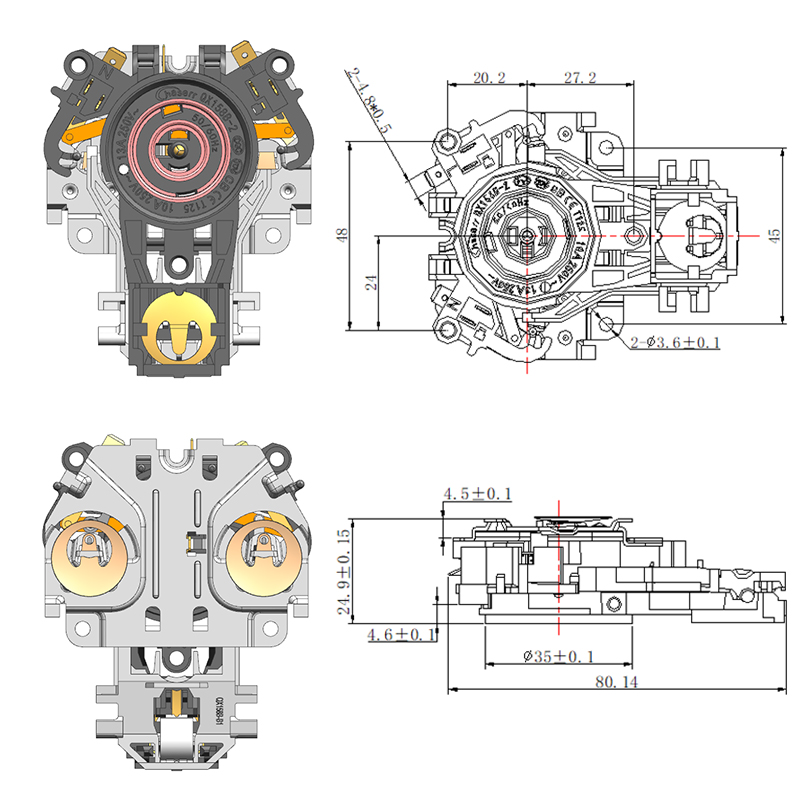
- Compatibility between the electric kettle base coupler and your specific kettle model affects both cost and installation difficulty, since mismatched connectors simply won't fit or function correctly regardless of price.
- Installation complexity varies by kettle design, some connectors swap in with basic tools and minimal disassembly, while others require more involved access to internal wiring.
- Labor cost, if you're not handling the replacement yourself, adds to the overall repair total, though this still frequently lands well below the price of a comparable new kettle.
Weighing these factors together usually reveals that connector replacement remains considerably more economical than full replacement, provided the rest of the kettle's components are still functioning properly.
When Does Buying a New Kettle Actually Make More Sense?
Repair isn't always the smarter choice, and it's worth being honest about when replacement genuinely wins out over fixing the existing unit.
- If multiple components show signs of failure simultaneously, connector, heating element, and thermostat all showing wear, the cumulative repair cost can approach or exceed a new kettle's price.
- If the kettle is already old and has seen heavy daily use, investing in a single part replacement sometimes just delays an inevitable full failure elsewhere in the unit.
- If you're interested in feature upgrades, faster boiling, different capacity, added safety features, a new kettle purchase accomplishes both the repair and the upgrade simultaneously.
- If sourcing a compatible kettle connector proves genuinely difficult or expensive for your specific model, the search and wait time alone sometimes tips the calculation toward simply replacing the unit.
None of these scenarios apply universally, which is exactly why assessing your specific kettle's condition matters more than following a blanket rule either way.
Comparing Connector Replacement and New Kettle Purchase
| Factor | Connector Replacement | New Kettle Purchase |
|---|---|---|
| Typical cost | Lower, part cost plus optional labor | Higher, full unit price |
| Environmental impact | Lower, reduces appliance waste | Higher, requires disposal of old unit |
| Time to resolve | Moderate, depends on part sourcing | Quick, ready to use immediately |
| Best suited for | Kettles with one isolated fault | Kettles with multiple failing components or outdated features |
| Long-term reliability | Good, if other components remain sound | Strong, starts with a fully fresh unit |
Reading this comparison against your kettle's actual condition, rather than defaulting to either option automatically, tends to produce the more sensible financial and practical decision.
How Should You Choose a Replacement Connector or Coupler?
Once repair is the chosen path, finding a suitable replacement part is just as important as making the decision to repair.
Confirm that the connector matches your kettle's base design before placing an order, as parts that look alike may still vary in pin layout or physical fit. Check the connector's rated capacity against the kettle's power requirements to help ensure safe operation and avoid creating another issue. It is also worth considering the construction and material quality, as a weak replacement connector may fail again soon after installation, reducing the value of the repair effort.
Bringing Repair and Replacement Decisions Together
Deciding between fixing a Kettle Base Connector and simply buying a new kettle really comes down to isolating the actual fault, weighing part cost and availability against a full replacement price, and being honest about the overall condition of the rest of the appliance. A kettle with one clearly isolated connection problem and an otherwise sound body makes a strong case for repair, saving money while keeping a functional appliance out of the waste stream, while a kettle already showing multiple signs of wear across several components often justifies moving on to a new unit instead. Testing the connector properly, ruling out a thermostat issue, and comparing sourcing options before committing to either path helps avoid wasted money on parts that won't actually solve the underlying problem. Wenzhou Qianxun Electrical Technology Co., Ltd. supports both individual repair needs and bulk sourcing for appliance manufacturers and repair businesses, offering compatible connector and coupler options along with the technical guidance needed to match the right part to a specific kettle design, and welcomes inquiries from anyone ready to move from troubleshooting into an actual parts sourcing conversation.
Featured Products


-
No. 2892, Ningkang East Road, Tiancheng Industrial Zone, Yueqing City, Zhejiang Province
-
 Email: Una@chaserr.cc
 -
 Phone: +86-13075775533
- GET IN TOUCH

Electric Kettle Thermostat Coupler Manufacturer