English
  中文简体
中文简体  Español
Electric Kettle Base Coupler Loose or Broken: What to Check
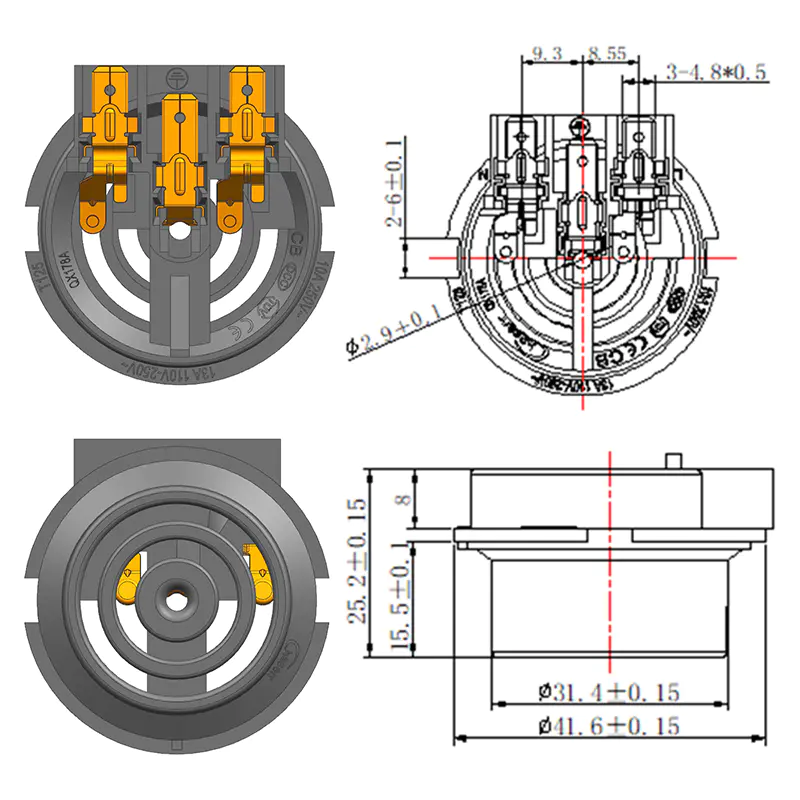
A kettle that only heats when it sits at just the right angle on its base, or one that flickers off without warning, is telling you something specific. A kettle base connector loose or broken is behind a huge share of these complaints, and knowing how to tell the difference between a minor fault and a part that needs replacing can save a lot of guesswork for anyone repairing, manufacturing, or sourcing components for electric kettles. This small, hidden component often goes unnoticed until it fails, even though it has an important impact on everyday reliability.
Recognizing the Signs Something's Wrong at the Base
Before jumping into causes, it helps to nail down what a struggling connector actually looks and feels like once it starts failing. These symptoms tend to show up gradually rather than all at once.
Common Warning Signs Worth Watching For
- The kettle needs to be nudged or repositioned on its base before it powers on
- Heating stops and starts inconsistently, even when the water level is fine
- A faint clicking, buzzing, or sparking sound occurs when the kettle is placed down
- The indicator light flickers or fails to stay lit consistently
- The base feels unusually warm even during short use
None of these signs guarantee the connector is the culprit on its own, but together they point strongly toward a connection issue rather than a problem with the heating element itself.
Why These Symptoms Get Misdiagnosed So Often
It's easy to blame the thermostat, the heating coil, or even the power outlet when a kettle starts acting unpredictably.In practice, many of these issues come from something much smaller: a worn or loose connector between the base and the vessel that quietly handles its role until it no longer works as expected.
This misdiagnosis costs time on both sides of a repair conversation. A technician who replaces a thermostat or heating element without inspecting the connector may see the same issue return, because the actual cause of the problem was left unresolved. Getting into the habit of checking the base connector early in the troubleshooting process, rather than treating it as a last resort, tends to shorten repair time considerably.
What Causes a Kettle Base Connector to Loosen or Fail?
Understanding the actual mechanics behind this failure helps explain why it happens gradually rather than as a sudden, single event.
Repeated Lifting and Placement Wears Down Contact Points
Every time a kettle gets lifted off its base and set back down, the connector experiences a small amount of mechanical stress. Over months and years of daily use, this repetition gradually wears down contact surfaces, especially if the original material or plating wasn't built to handle that level of repeated cycling.
Oxidation Builds Up on Contact Surfaces
Metal contact points exposed to moisture, steam, and everyday air can slowly develop a thin layer of oxidation. This buildup raises resistance at the point where a clean, low-resistance connection is needed, often appearing as uneven heating before it develops into a complete power interruption.
The Base Structure Itself Can Loosen Over Time
Sometimes the issue isn't the connector's contact surface at all, but the surrounding structure that holds it firmly in place. A base that's been dropped, bumped repeatedly, or simply aged past its expected lifespan can develop internal looseness that throws off the precise alignment a connector needs to maintain solid contact.
Reduced Contact Pressure From Aging Components
Springs or clips inside many base connector designs rely on consistent pressure to keep contact points pressed together firmly. As these components age, the contact pressure may slowly decrease, causing the same intermittent connection issues mentioned earlier, even when the connector shows no obvious signs of damage.
Understanding What the Base Coupler Actually Does
To troubleshoot this part effectively, it helps to understand exactly what job it's performing inside the kettle system.
Its Core Function in the Electrical Path
An Electric Kettle Base Coupler exists specifically to complete the electrical circuit between a stationary power base and a removable kettle vessel. Without it, there would be no practical way to separate the water-heating vessel from the electrical cord for easy pouring and refilling.
How It Differs From the Thermostat System
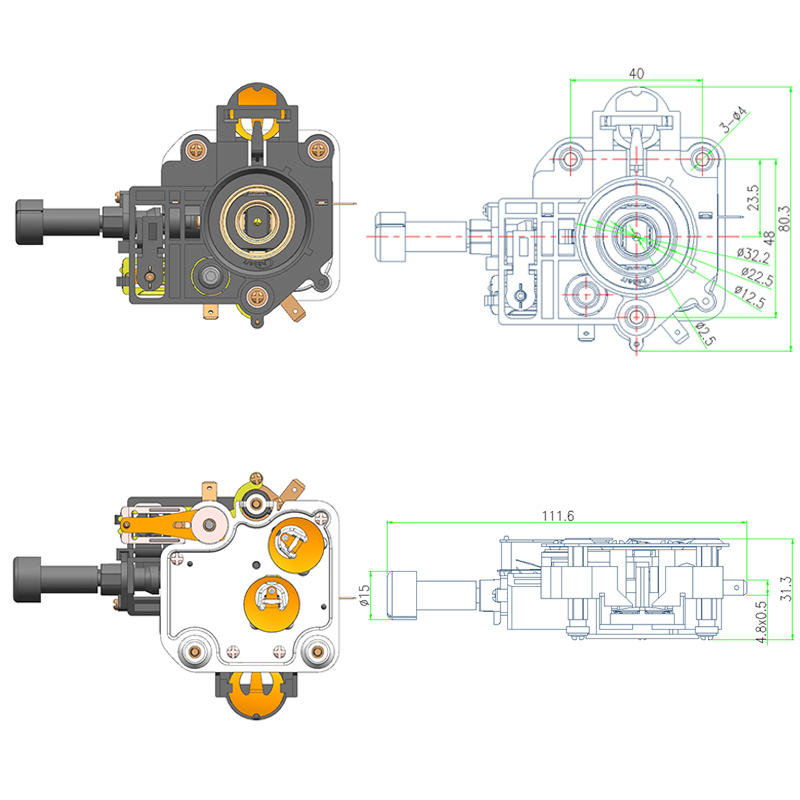
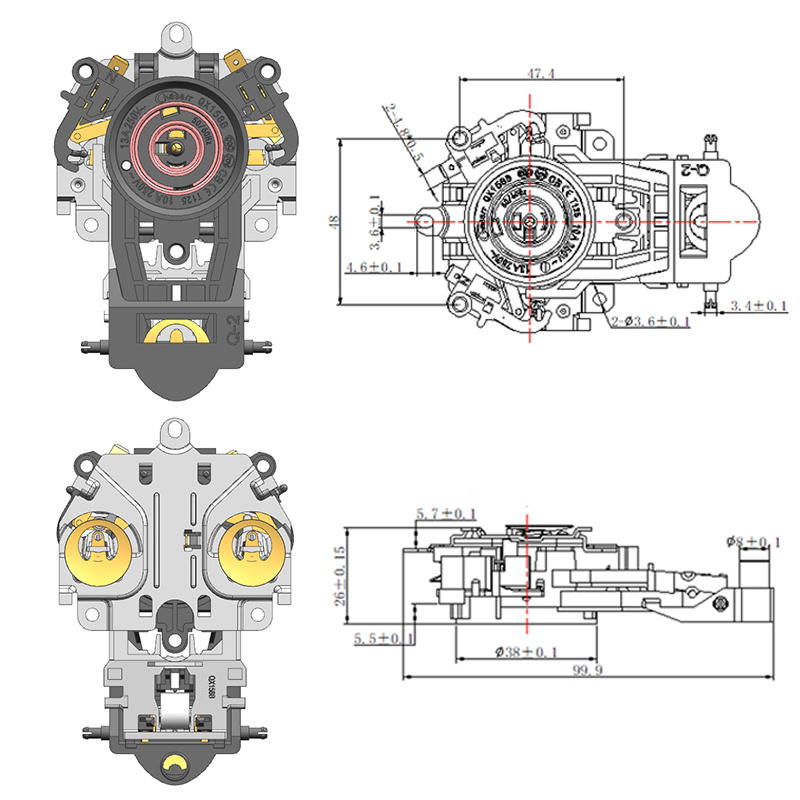
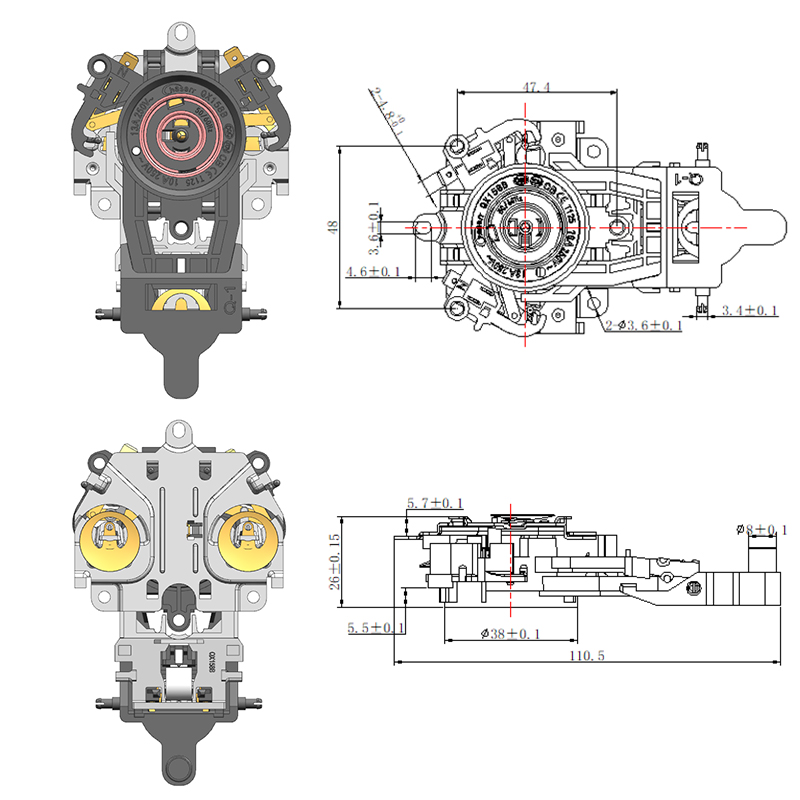
It's worth separating this component clearly from the thermostat connector, which handles a completely different job. The base coupler's responsibility is purely about delivering stable power. The thermostat, often built around a bimetal switch mechanism, monitors temperature and cuts power once boiling point is reached. A kettle can show symptoms that look identical whether the fault sits in the coupler or the thermostat system, which is exactly why isolating the actual source matters before assuming a part needs replacing.
Confusing these two systems during troubleshooting wastes time and sometimes money, particularly if a technician replaces a functioning thermostat while the real fault sits quietly in the connector below it. Testing each system independently, rather than assuming one part is guilty based on symptoms alone, gives a more accurate diagnosis and avoids unnecessary part swaps.
Comparing Fault Symptoms to Likely Causes
Working through symptoms systematically helps narrow down whether a connector issue, rather than something else entirely, is the actual source of trouble.
| Symptom Observed | Likely Connector-Related Cause | Suggested Next Step |
|---|---|---|
| Kettle only works at certain angles | Misaligned or worn contact pins | Inspect alignment and contact surface |
| Intermittent power during use | Reduced contact pressure or oxidation | Clean contacts, check spring tension |
| Sparking or clicking on placement | Degraded plating or loose fit | Replace the connector component |
| No power at all | Complete contact failure or broken pin | Full coupler inspection and replacement |
| Base feels warm even when idle | High resistance at a failing contact point | Test resistance, avoid continued use |
Reviewing this pattern often reveals that a problem assumed to be electrical in a broader sense is actually isolated to this one small, replaceable part.
Can These Issues Be Confirmed Without Full Disassembly?
To some extent, yes. Visual inspection often reveals obvious signs like discoloration, visible wear, or looseness in the fit between the vessel and base. Confirming more subtle issues, like reduced contact pressure or early-stage oxidation, typically requires closer inspection or basic testing rather than relying on appearance alone.
How to Test a Kettle Base Connector Properly
Testing this component thoroughly, rather than guessing based on symptoms alone, gives a clearer answer before deciding whether repair or replacement makes sense.
Steps worth following during a proper inspection:
- Disconnect the kettle from power completely before any physical inspection begins
- Examine contact points closely for visible discoloration, pitting, or buildup
- Check the physical fit between the vessel connector and the base connector for looseness or misalignment
- Test continuity across the connection path using appropriate testing equipment
- Compare readings against expected values for a properly functioning connector
- Reassemble carefully and observe behavior during a short, supervised test run
Why Skipping Steps in This Process Causes Repeat Failures
Rushing through testing, or replacing a connector without confirming the actual root cause, often leads to the same complaint returning within a short period. A worn connector paired with a still-loose base structure, for example, will likely fail again quickly if only the connector gets replaced without addressing the structural looseness underneath it.
When Replacement Makes More Sense Than Repair
Not every loose or lightly worn connector needs a full replacement, but certain signs make replacement the more reliable path forward.
Replacement is generally the better option when:
- Visible pitting or corrosion has significantly changed the contact surface
- Spring tension has weakened to the point where consistent pressure can't be restored
- The connector has already been repaired once and the same symptoms have returned
- Testing shows resistance values well outside acceptable range even after cleaning
What Buyers Should Confirm Before Sourcing a Replacement
Anyone sourcing a replacement connector, whether for a single repair or a larger production run, benefits from confirming a few details upfront: exact fit and pin alignment matching the existing base design, consistent quality across production batches, and material choices suited to repeated cycling without early degradation. Skipping this confirmation step often results in a replacement part that fits poorly or fails again sooner than expected.
Why Batch Consistency Matters More Than a Single Good Sample
A single connector sample performing well on a test bench doesn't guarantee that an entire production batch will behave the same way once installed across thousands of units. Manufacturers evaluating a new supplier for this component benefit from asking specifically how plating thickness, pin tolerance, and spring tension get maintained consistently across large orders, rather than relying on a single approved sample to represent the whole batch going forward. A short pilot run before committing to full volume production often catches inconsistencies that a single sample review would have missed entirely.
How to Prevent This Problem From Recurring So Often
Beyond replacing a failed connector, there are practical ways to lower the chance of this issue occurring again, whether in home use or across multiple units in commercial or rental environments.
Encouraging Gentle Placement Habits
A surprising amount of mechanical wear traces back to how forcefully a kettle gets set down onto its base repeatedly. Encouraging gentler placement, rather than dropping the vessel down quickly, reduces the cumulative stress placed on contact points over the kettle's working life.
Periodic Visual Inspection for High-Use Units
Kettles used heavily throughout the day, such as in office kitchens or commercial settings, benefit from occasional visual checks of the base connector area. Catching early signs of discoloration or looseness before they progress into a full failure often means a simple cleaning or minor adjustment solves the issue rather than requiring a full part replacement.
Choosing Connectors Built for the Expected Use Cycle
Not every application places the same demand on a base connector. A kettle used a handful of times daily in a household setting experiences far less cumulative stress than one cycling constantly throughout a busy commercial kitchen. Matching connector durability with the expected usage cycle from the beginning, instead of choosing a low-cost option without considering the application, can help reduce early failures in demanding environments.
Why This Small Part Deserves Attention During Product Design
Manufacturers designing new kettle models sometimes treat the base connector as a minor, interchangeable detail late in the design process. Given how directly this component affects long-term reliability and customer satisfaction, treating connector selection and testing as an early design priority, rather than an afterthought, tends to reduce field failures and warranty claims considerably over a product's full lifespan. A small upfront investment in testing this part thoroughly during development tends to pay for itself many times over once a product reaches full-scale production and real-world daily use.
Bringing Reliable Power Connection Back to a Struggling Kettle
Diagnosing a loose or failing connector becomes much easier when the symptoms, causes, and testing methods are clearly understood, as many of the unusual behaviors seen in these kettles come from common mechanical and contact issues around the base. Taking the time to inspect properly, test methodically, and choose a well-matched replacement part when needed tends to resolve these problems far more permanently than simply swapping parts based on a guess, and it also protects against the same complaint reappearing a few weeks later. For manufacturers, repair technicians, or buyers looking to source dependable base connectors and related components for ongoing production or repair needs, reaching out to Wenzhou Qianxun Electrical Technology Co., Ltd. offers a practical next step toward finding a component solution that holds up reliably across repeated daily use.
Featured Products

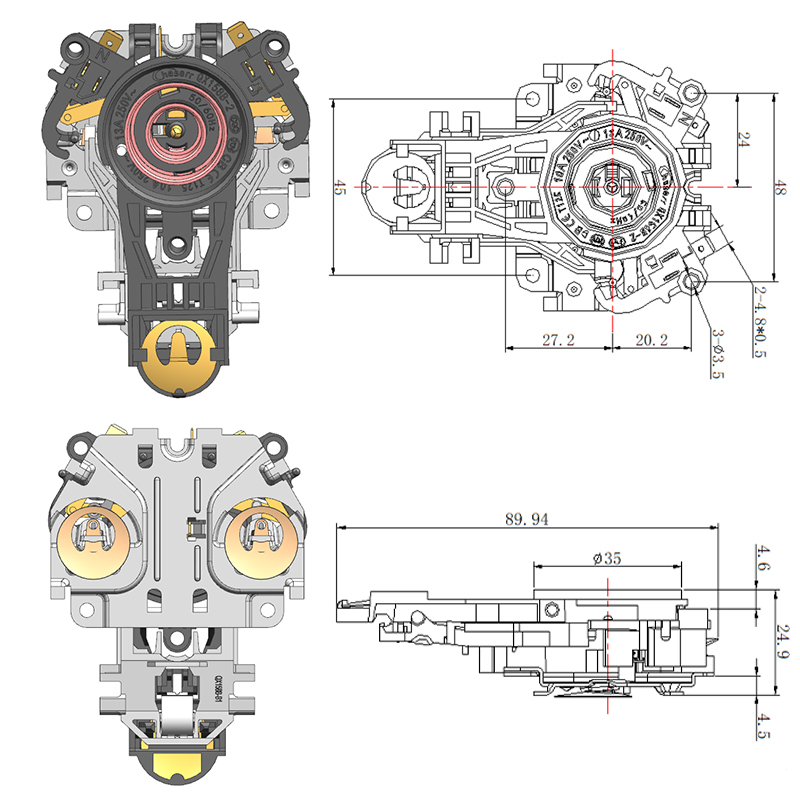
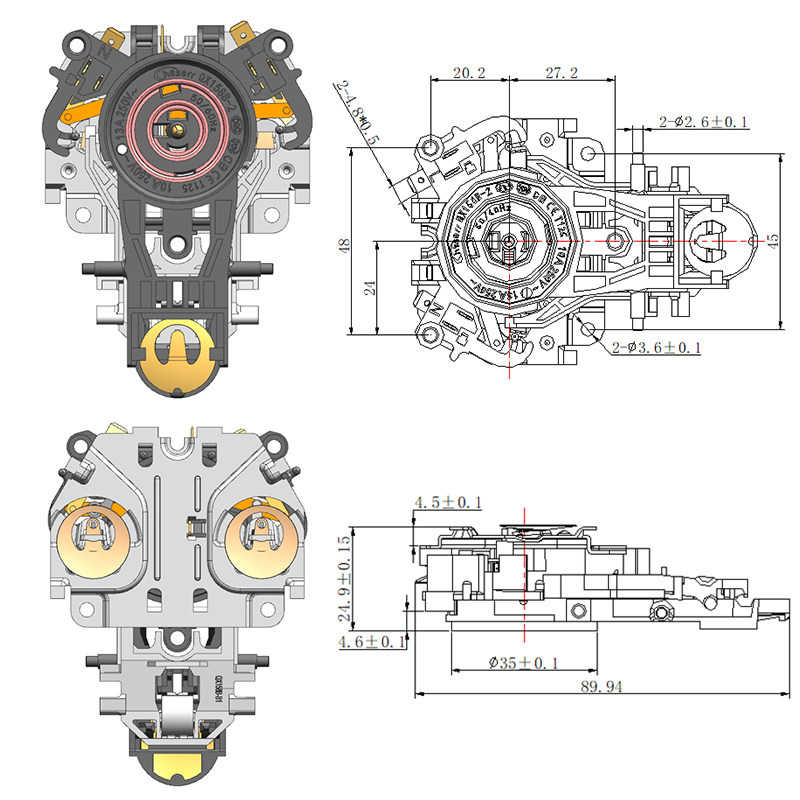
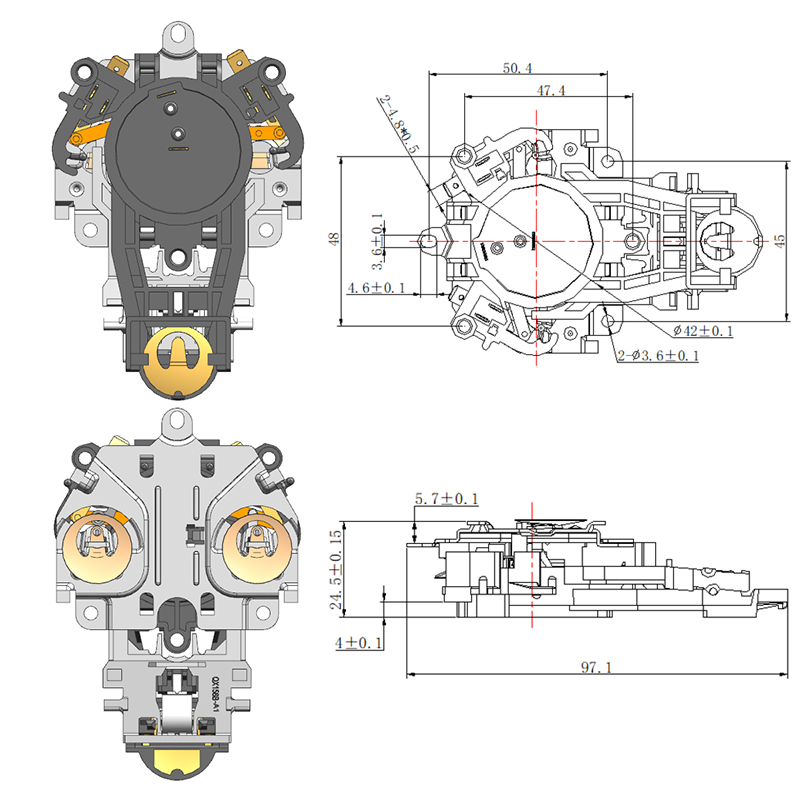
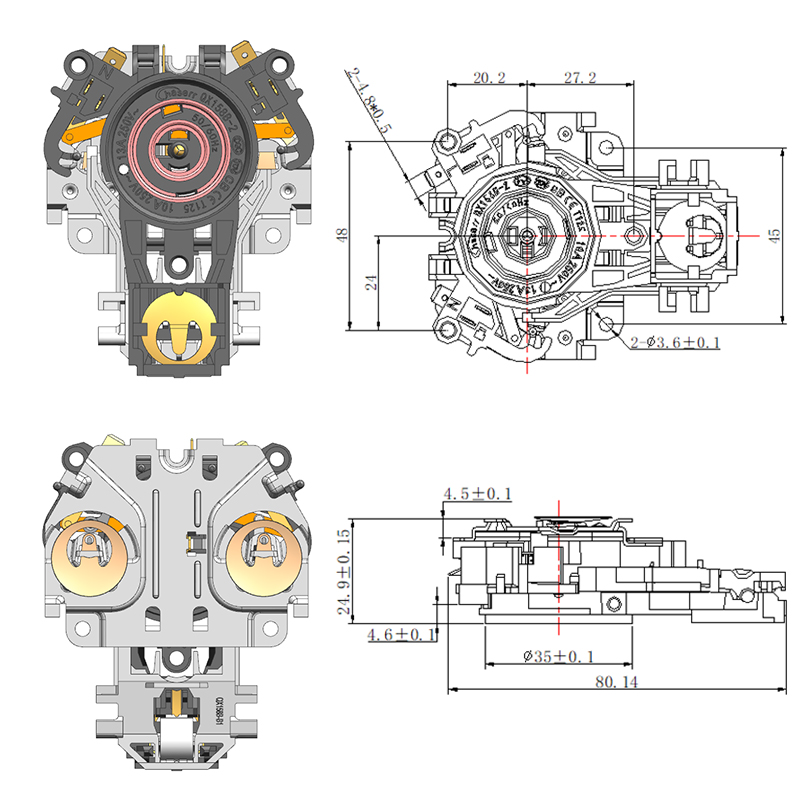

-
No. 2892, Ningkang East Road, Tiancheng Industrial Zone, Yueqing City, Zhejiang Province
-
 Email: Una@chaserr.cc
 -
 Phone: +86-13075775533
- GET IN TOUCH

Electric Kettle Thermostat Coupler Manufacturer