English
  中文简体
中文简体  Español
How to Choose a Kettle Base Connector for Replacement
Electric kettles get used constantly in homes, offices, hotels, kitchens, and plenty of other everyday settings. Because the kettle keeps moving between the heating base and the countertop, the connection between the appliance and its base takes on regular handling day after day.
That repeated contact makes the coupler a real part of the overall appliance design, not just a small hidden piece. A Kettle Base Connector helps establish the connection between the kettle body and its heating base, letting the appliance work the way it's supposed to once it's set down on the base.
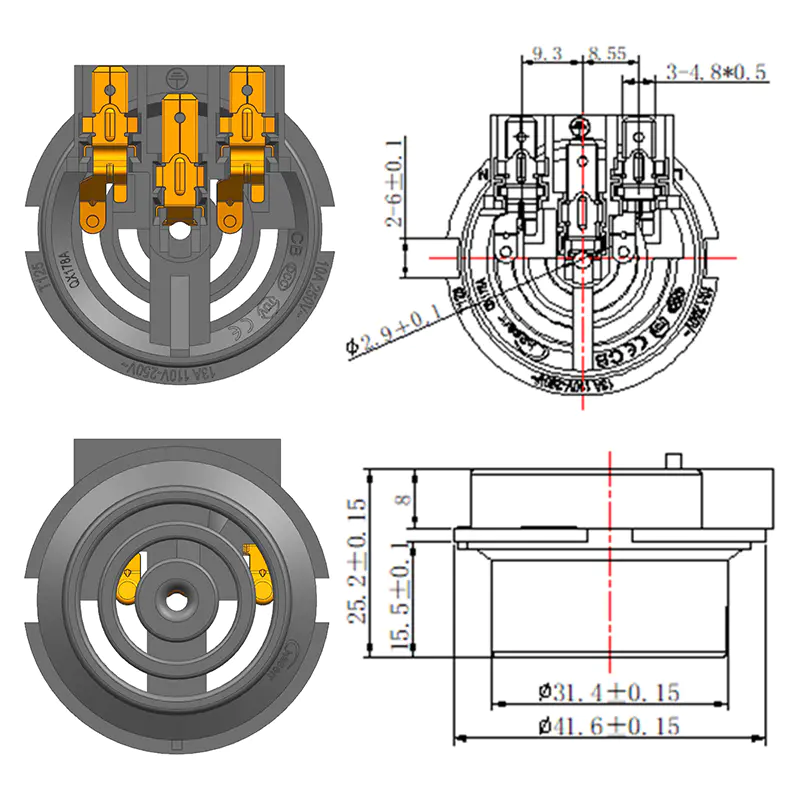
When this component wears out or gets damaged, replacement enters the conversation. In some cases, an upgrade also comes up when manufacturers, repair businesses, or aftermarket suppliers want a different component design that suits a particular appliance better than the original.
None of this rests on one factor alone. Compatibility, electrical connection, physical fit, heat exposure, usage habits, installation method, and replacement availability all play into the decision.
For parts suppliers and repair businesses, working through these considerations makes it easier to identify suitable replacement components for different kettle applications rather than guessing.
Why Does a Thermostat Coupler Need Replacement?
Repeated use naturally places stress on the connection between the kettle and its base, cycle after cycle. Each time the kettle gets lifted, moved, and set back down, the connecting surfaces meet each other again.
Over time, that repeated handling can affect the condition of the connection area, even if nothing looks obviously wrong at first. A replacement tends to become necessary once the existing component stops working the way it should.
| Possible Issue | Replacement Consideration |
|---|---|
| Worn connection area | Check physical compatibility |
| Loose connection | Inspect the base and kettle interface |
| Visible damage | Replace affected components when appropriate |
| Unstable operation | Check the complete connection system |
| Age-related wear | Review the condition of related parts |
A faulty connection shouldn't automatically get pinned on the coupler alone. The kettle base, wiring, contact surfaces, and other related components may also need a look before anyone points fingers.
That matters especially for repair businesses working on unfamiliar units. Swapping out one component without checking the surrounding assembly might not actually fix the underlying issue at all. A suitable replacement should correspond with the original appliance design and the conditions it's meant to operate under.
How Does Compatibility Affect Electric Kettle Base Coupler Selection?
Compatibility sits near the top of the list when replacing an appliance component. An Electric Kettle Base Coupler needs to correspond with the kettle and base structure it will actually get installed into.
Physical appearance alone doesn't tell the whole story here. Two components can look nearly identical on a shelf while carrying different connection arrangements underneath.
| Compatibility Area | What to Consider |
|---|---|
| Physical shape | Should fit the intended assembly |
| Contact arrangement | Needs to match the appliance connection |
| Mounting method | Should correspond with the base structure |
| Electrical design | Must suit the original appliance |
| Surrounding components | Should not interfere with installation |
Repair businesses often work across products from several different appliance designs in the same week. That reality creates a practical need for clear part identification, not vague labels.
Suppliers can help by providing product information that describes the intended application and compatible assembly plainly. That kind of detail cuts down on confusion when several similar-looking components sit side by side on a shelf. For aftermarket applications, compatibility matters even more since replacement parts often get purchased separately from the original appliance entirely. A clear matching process helps buyers skip unnecessary returns and awkward installation surprises.
What Role Does Heat Exposure Play in Coupler Replacement?
The connection between a kettle and its base sits in an environment where heat is simply part of normal appliance use, not an occasional event. The coupler often sits close to the heating area, so the materials chosen for the component need to suit that environment specifically.
Heat can also affect the surrounding materials and connections nearby, not just the coupler itself.
| Area | Consideration |
|---|---|
| Coupler body | Suitable material for the operating environment |
| Contact area | Stable connection during normal use |
| Mounting section | Appropriate fit after repeated heating |
| Surrounding housing | Compatible with the appliance structure |
| Insulating parts | Suitable for the intended application |
Material choice is worth considering alongside the appliance design as a whole, not on its own. A component shouldn't get picked purely because its outer shape happens to look right.
Its materials and construction need to correspond with the actual conditions around the kettle base. For manufacturers and aftermarket suppliers, this shapes how replacement parts get developed and sorted into categories. A component built for one appliance structure may not suit another even when the two products look strikingly similar side by side.
Can Frequent Handling Influence Base Coupler Wear?
The kettle usually gets lifted from the base at an angle and then set back into its resting position, over and over throughout the day. That motion is simple on its own, but it repeats constantly in ordinary use around the house or office.
How someone handles the appliance can shape how the connection area wears down over time. A gentle placement motion creates different stress than dropping the kettle onto the base or forcing it into position with a bit of extra shove.
| User Habit | Possible Effect |
|---|---|
| Careful placement | Reduces unnecessary physical stress |
| Frequent lifting | Increases repeated contact |
| Forced positioning | May affect connection areas |
| Rough handling | Can increase wear |
| Regular cleaning | Helps keep contact areas clear |
Keeping the connection area clean also supports normal operation over time. Dust, residue, or spilled liquid can interfere with the contact surfaces or the structure surrounding them.
Cleaning should follow the appliance manufacturer's care instructions rather than whatever's within reach. Users should also steer clear of unsuitable tools or methods when cleaning around electrical connection areas, since the wrong approach can cause more harm than the dirt itself. For repair businesses, checking for contamination or visible damage is a useful part of the inspection process before deciding whether a Base Coupler actually needs replacing.
Why Does the Base Structure Matter During an Upgrade?
A coupler doesn't operate on its own. It sits installed as part of the kettle base, which means the surrounding structure shapes how a replacement component fits and functions once it's in place.
An upgrade should therefore take in the complete base assembly rather than focusing on the coupler alone. Mounting position, housing structure, contact arrangement, and available space all factor into whether the swap goes smoothly.
| Base Area | Upgrade Consideration |
|---|---|
| Coupler mounting | Confirm the replacement can be installed correctly |
| Base housing | Check physical clearance |
| Contact area | Match the intended electrical arrangement |
| Wiring area | Ensure appropriate connection |
| External structure | Maintain the intended appliance appearance |
An aftermarket upgrade shouldn't force unnecessary changes onto unrelated parts of the appliance. If the replacement demands extensive modification, the installation gets more complicated and can end up altering the original appliance design in ways nobody intended.
Because of that, manufacturers and suppliers often benefit from offering components that correspond closely with the intended appliance structure from the start. The easier a suitable part is to identify and install, the more practical it becomes for repair work happening on the shop floor.
How Do Repair Businesses Evaluate Kettle Base Connector Replacements?
Repair businesses often juggle compatibility, availability, installation effort, and what the customer actually needs, all at once. The replacement process usually starts with identifying the appliance and examining the existing base assembly closely.
The technician can then work out whether the issue seems to involve the coupler or something else entirely.
A practical inspection may include:
Identify the Appliance Structure
Check the kettle body and base design before selecting a replacement part.
Inspect the Existing Connector
Look for visible wear, damage, contamination, or signs of an unstable connection.
Check Related Components
The wiring, contact areas, mounting points, and base housing may also need a look before moving forward.
Compare Replacement Options
The replacement should correspond with the intended appliance rather than getting picked by appearance alone.
Follow Safe Repair Procedures
Electrical appliance repairs should be handled with appropriate procedures and by suitably qualified personnel where that's required.
This kind of process helps cut down on unnecessary part replacement that doesn't actually fix anything. It also gives repair businesses a clearer basis for explaining the issue to customers.
A replacement part should solve the identified problem without dragging in new compatibility concerns along the way.
What Should Aftermarket Suppliers Consider When Developing Base Couplers?
Aftermarket suppliers serve a different need than appliance manufacturers do. Their products may end up in the hands of repair shops, distributors, service businesses, or consumers hunting for a replacement part on their own.
That spread of buyers means product identification and supply consistency matter quite a bit. A supplier may need to weigh several aspects when developing or sourcing a Base Coupler.
| Supplier Concern | Practical Purpose |
|---|---|
| Product compatibility | Helps buyers identify suitable applications |
| Material selection | Supports the intended operating environment |
| Mounting design | Makes replacement more practical |
| Product labeling | Reduces confusion between similar parts |
| Packaging | Protects components during storage and transport |
| Supply organization | Helps repair businesses manage replacement needs |
Clear product information makes the purchasing process noticeably smoother for everyone involved. Suppliers can describe compatible appliance structures, connection arrangements, and installation considerations plainly, without stretching into unsupported performance claims.
Packaging deserves attention too. Small appliance components can end up mixed together when stored alongside similar-looking parts on a crowded shelf. Clear identification helps distributors and repair businesses keep their inventory organized rather than sorting through guesswork. For aftermarket applications, these fairly small details end up having a real effect on day-to-day operations.
When Does an Electric Kettle Base Coupler Upgrade Make Sense?
Replacement and upgrade aren't always the same decision, even though people sometimes use the words interchangeably. A replacement generally aims to restore the appliance's original function using a suitable component.
An upgrade might involve choosing a revised component design meant to fit a particular appliance while addressing practical concerns tied to handling, supply, or product development. The reason behind an upgrade should be clearly defined before anyone commits to it.
| Upgrade Purpose | Consideration |
|---|---|
| Replacement availability | Check whether the original part remains accessible |
| Product revision | Confirm compatibility with the revised component |
| Repair convenience | Consider installation requirements |
| Supply planning | Evaluate aftermarket availability |
| Appliance redesign | Match the new part with the updated base structure |
An upgrade shouldn't be treated as automatically better just because the component is newer or looks different. The replacement still needs to actually suit the appliance it's going into.
For repair businesses, unnecessary modifications can pile on labor and raise new compatibility questions nobody wanted to deal with. For manufacturers, an upgraded Electric Kettle Base Coupler can be considered as part of a broader appliance redesign where the kettle body, base, connection system, and surrounding components all get reviewed together rather than piecemeal.
How Can Suppliers Support Different Replacement Applications?
A household repair customer's needs look pretty different from those of a service company or appliance manufacturer. A household user typically needs one replacement component to fix a single kettle.
A repair business may need several compatible parts covering different appliance models at once. An equipment manufacturer might require a component built to fit a specific production design exactly. These different situations create different expectations for how product supply gets handled.
| Customer Type | Main Requirement |
|---|---|
| Individual repair user | Clear compatibility information |
| Repair shop | Convenient part identification |
| Distributor | Organized product supply |
| Appliance manufacturer | Consistent component matching |
| Aftermarket service provider | Replacement availability |
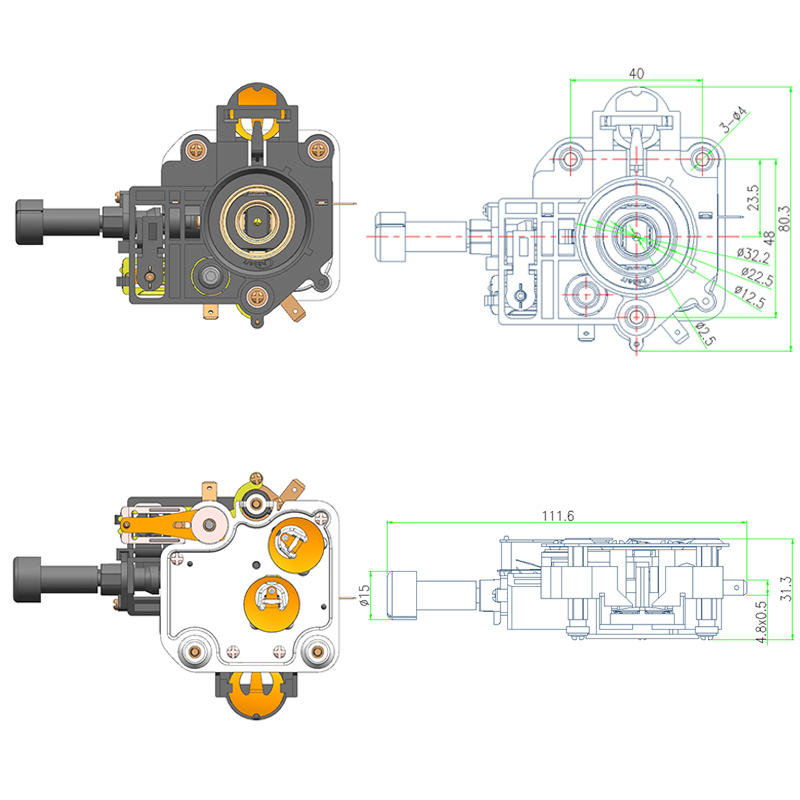
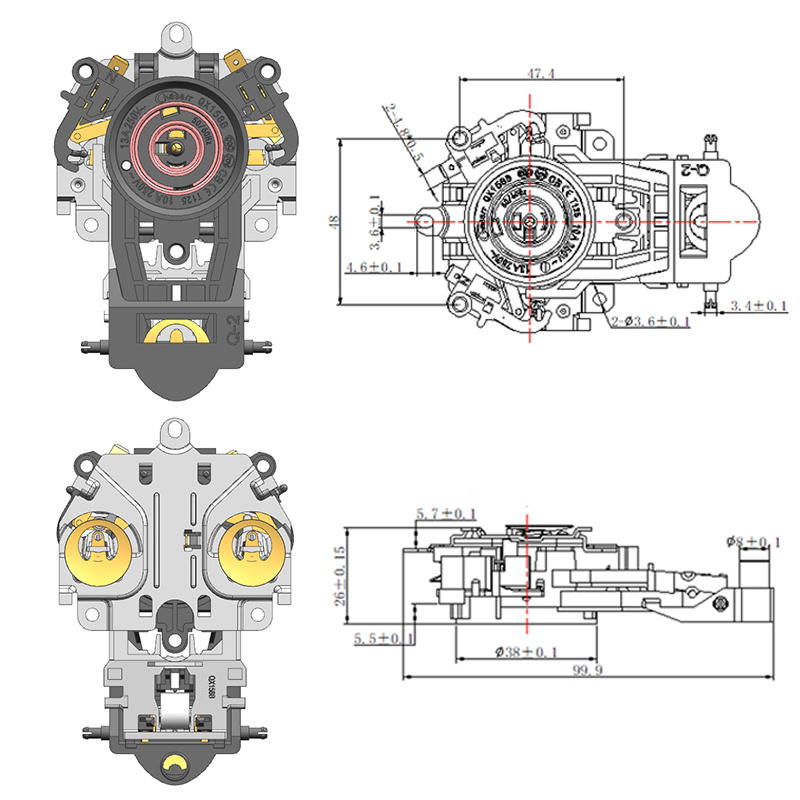
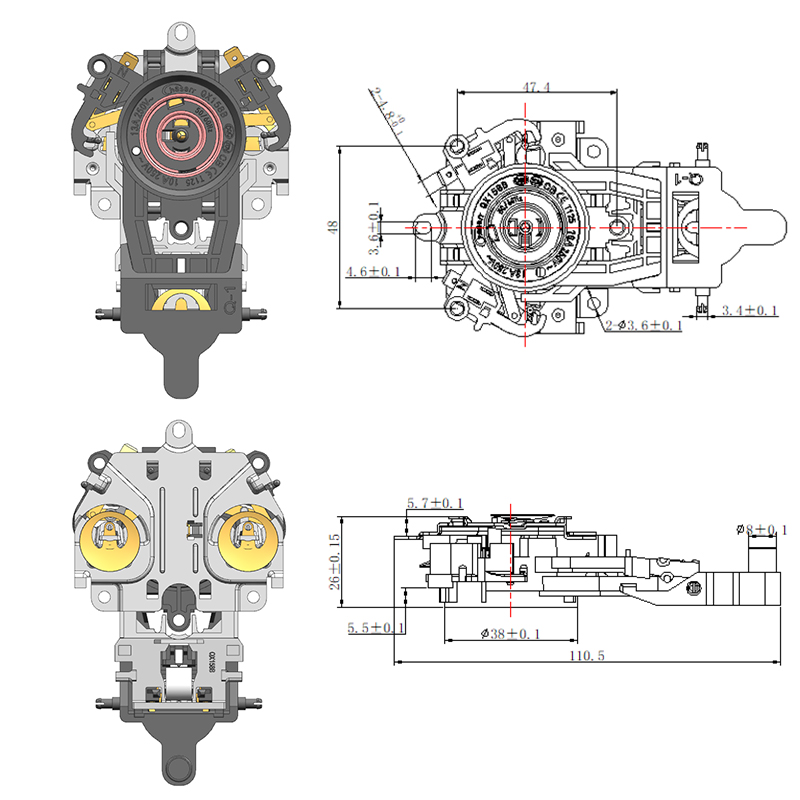
A supplier can support these different groups by organizing components according to their intended use rather than one generic catalog listing. Product drawings, application information, packaging labels, and installation guidance can all help buyers make a more informed purchase.
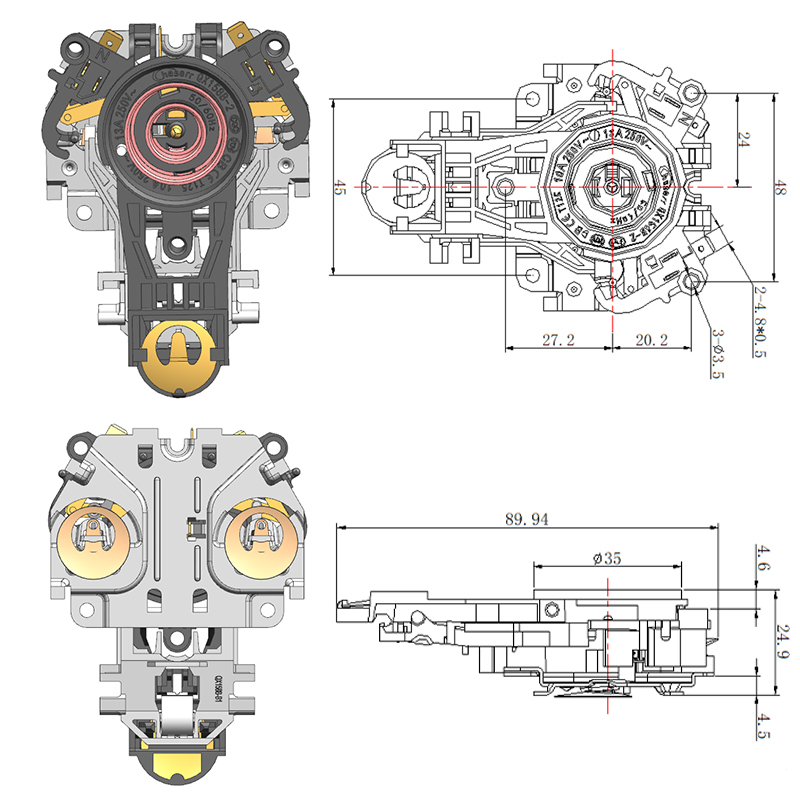
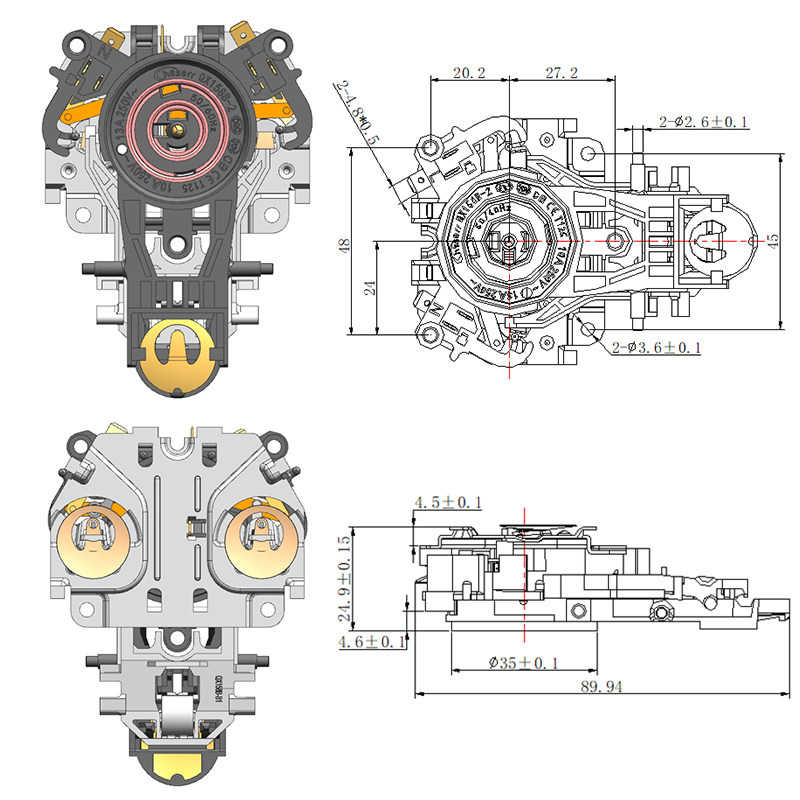
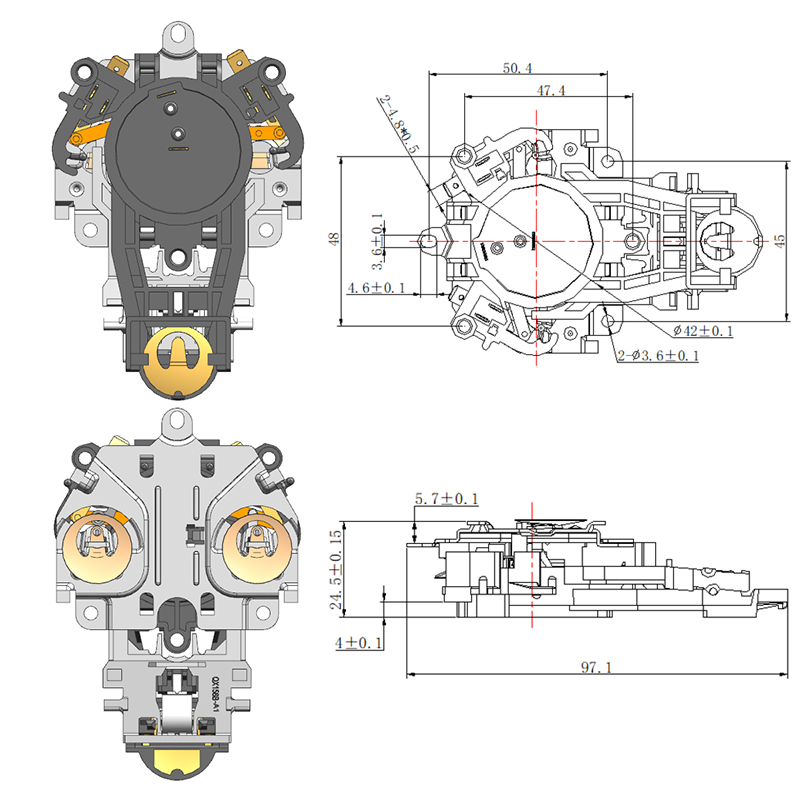
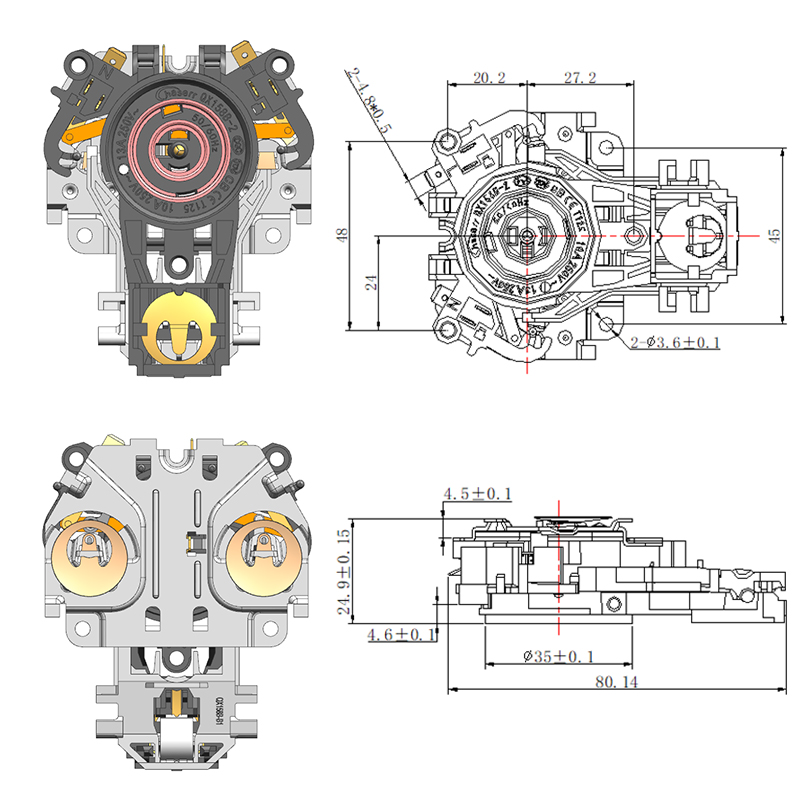
The goal isn't to make the selection process complicated for its own sake. It's to give buyers enough information to tell similar components apart with confidence. As kettle designs keep varying from one manufacturer to the next, the role of the Kettle Base Connector, Electric Kettle Base Coupler, and Base Coupler stays closely tied to compatibility, replacement needs, and the practical demands of appliance repair and parts supply.
Featured Products


-
No. 2892, Ningkang East Road, Tiancheng Industrial Zone, Yueqing City, Zhejiang Province
-
 Email: Una@chaserr.cc
 -
 Phone: +86-13075775533
- GET IN TOUCH

Electric Kettle Thermostat Coupler Manufacturer