English
  中文简体
中文简体  Español
How Does Bimetal Thermostat Working Principle Guide Selection
Choosing components for an electric kettle isn't simply a matter of finding parts that happen to fit together on a bench. Temperature control, electrical connections, mechanical positioning, and assembly requirements all need to work as one coordinated system, not a pile of individually decent parts. Understanding the Bimetal Thermostat Working Principle gives manufacturers a genuinely practical starting point when deciding which thermostat, connector, and base components belong together in the same kettle design.
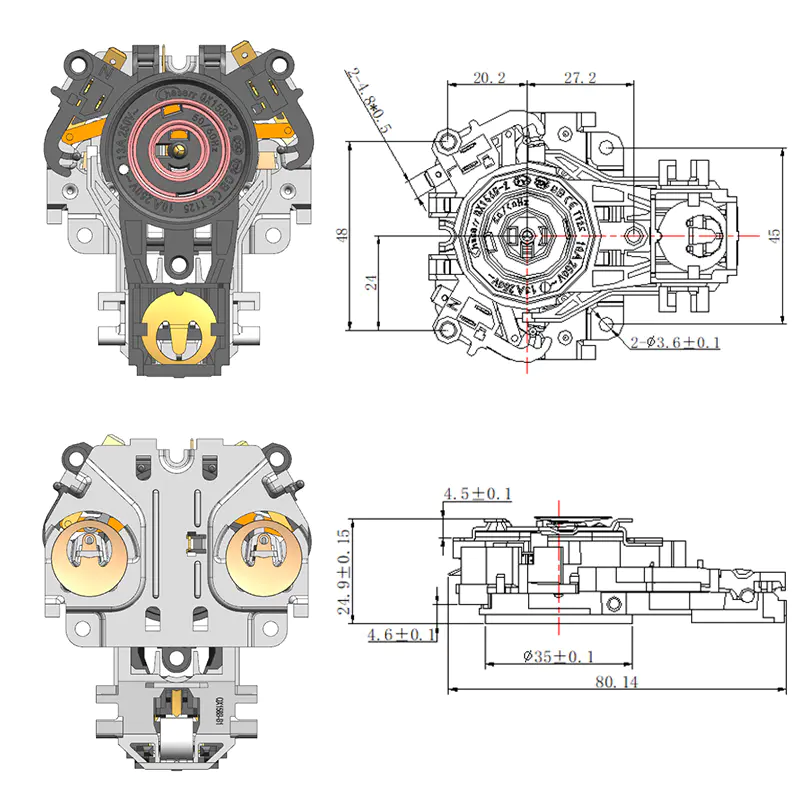
A bimetal thermostat responds to temperature changes through the movement of two joined metal materials bonded together, each expanding at a different rate as heat builds. That movement operates a switch and changes the electrical state of the circuit, much like the strip inside an old iron or a home radiator valve. For kettle manufacturers, this basic action explains why the thermostat can't get picked out separately from the surrounding components sitting around it. The thermostat's position, connection method, and related couplers all shape how the complete assembly comes together on the line.
How Does a Bimetal Thermostat Work in an Electric Kettle?
A bimetal thermostat works by pairing two materials that respond differently once heated. Because the two materials change shape at different rates, the combined element bends or shifts as its temperature rises, sort of like a ruler warping slightly when one side gets warmer than the other. That movement operates a switching mechanism wired into the appliance circuit.
The basic idea behind how does a bimetal thermostat work stays fairly straightforward once you picture it. Heat shifts the position of the bimetal element, and that movement flips the switch one way or the other. In an electric kettle, this action controls the electrical connection tied to the heating element itself, cutting power once the water reaches the intended point.
The Bimetal Thermostat Function ties closely to temperature sensing and switching, not just sitting there as a connector or structural brace. Its role needs consideration alongside the heating arrangement and the electrical path running through the rest of the appliance.
| Component Role | Main Consideration |
|---|---|
| Bimetal element | Responds to temperature change |
| Switch section | Changes electrical connection |
| Thermostat housing | Supports the internal arrangement |
| Connector | Provides the intended electrical connection |
| Base structure | Holds related components in position |
This relationship matters a lot during component selection. A thermostat that looks perfectly suitable sitting on its own can still create assembly headaches if its position doesn't match the kettle base, or if its connection arrangement drifts from the rest of the electrical system.
Manufacturers can start with the intended temperature-control function first, then work outward toward the surrounding components from there.
Why Does Temperature Control Influence Kettle Component Selection?
Temperature control reaches well beyond the thermostat itself. The control component has to operate inside a carefully arranged electrical and mechanical environment, so the parts sitting around it need to support that arrangement rather than fight against it.
An Automatic Temperature Control Thermostat gets selected when a kettle design calls for automatic switching during operation, cutting power without anyone standing over the stove watching. The important consideration isn't the component's name printed on a spec sheet. Manufacturers need to understand how it actually interacts with the heating section, switch mechanism, wiring, and base assembly around it.
The Bimetal Thermostat Switch matters quite a bit here, since the switching action ties directly to how the bimetal element responds to temperature. Its location shapes how the surrounding parts get arranged and how easily the finished assembly can get inspected once everything's bolted together.
Component selection can involve several practical questions worth asking early:
- Does the thermostat suit the intended kettle structure?
- Can it be positioned correctly within the base?
- Does the connection arrangement match the electrical design?
- Can workers install it without unnecessary adjustment?
- Is the completed assembly accessible for inspection?
These questions push component selection away from simple part-to-part matching done in isolation. The real goal is building a group of components that work together within the actual product structure, not just on paper.
What Should Manufacturers Consider About Bimetal Thermostat Temperature Control?
The temperature-control requirement should get defined before anyone selects the surrounding components. Different kettle designs use different control arrangements, and the thermostat needs to correspond with the intended operating behavior from the start.
Bimetal Thermostat Temperature Control depends on the relationship between temperature change and the movement of the bimetal element itself. The switch responds to that movement, creating a shift in the electrical state of the heating circuit at the right moment.
The selection process should weigh the thermostat's actual role rather than fixating purely on its physical appearance sitting in a supplier catalog.
| Selection Area | Why It Matters |
|---|---|
| Temperature response | Supports the intended control behavior |
| Switching action | Determines how the electrical state changes |
| Physical position | Affects assembly and surrounding components |
| Connection form | Needs to match the electrical arrangement |
| Housing structure | Helps protect and position the component |
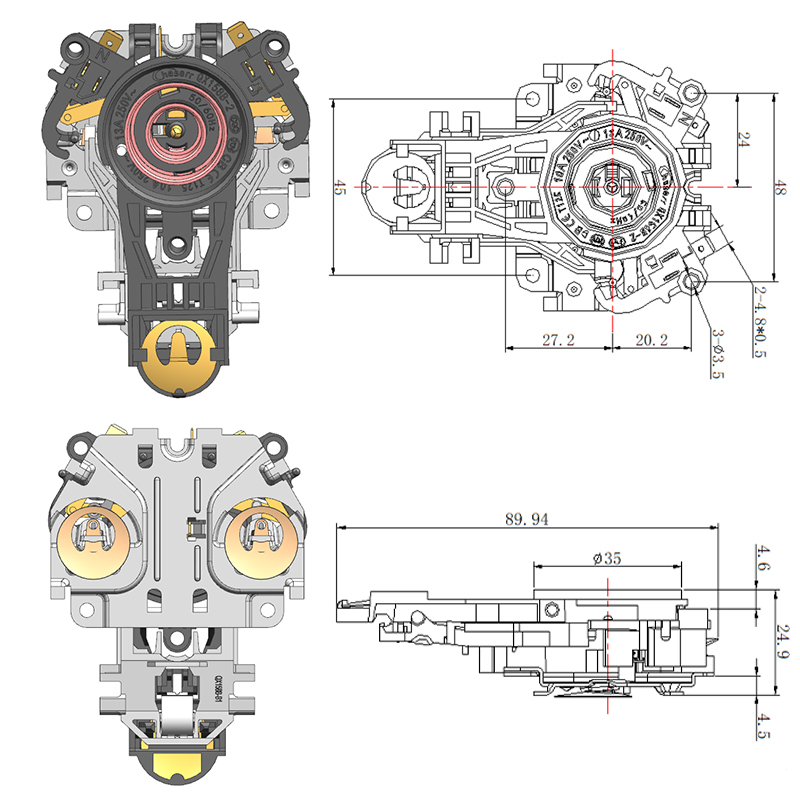
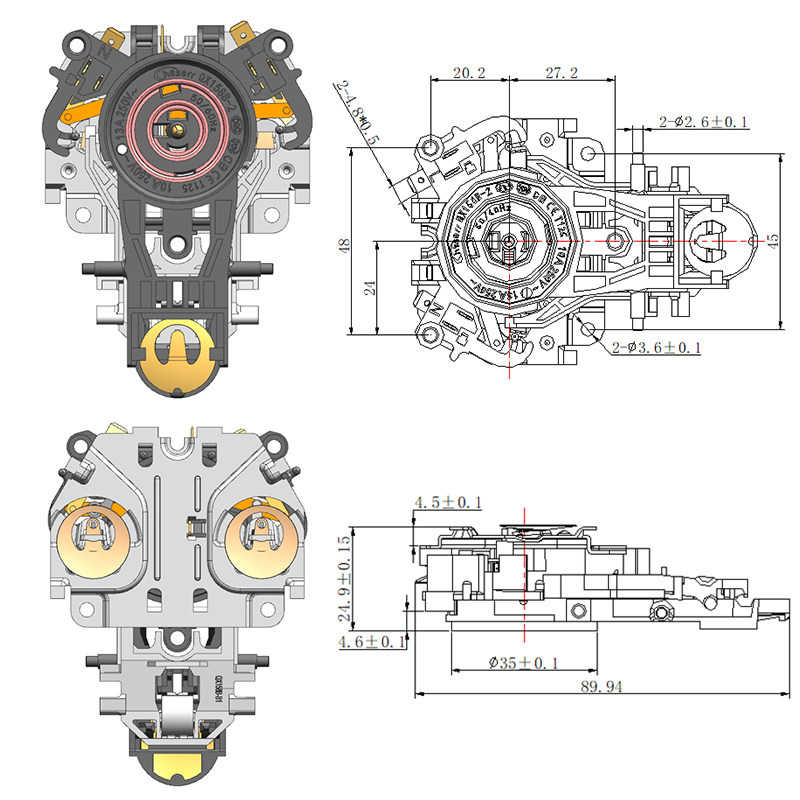
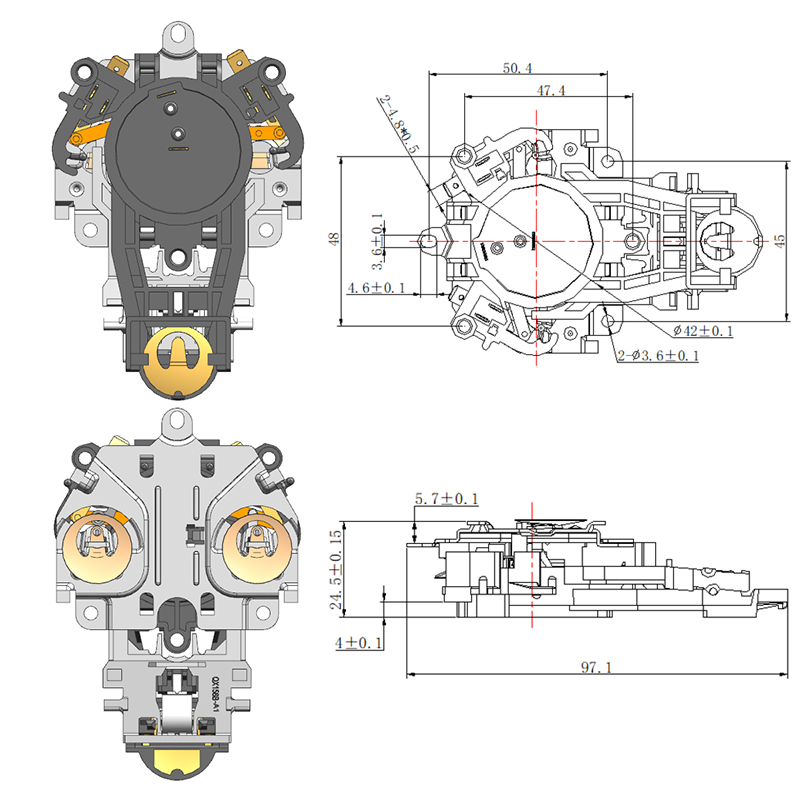
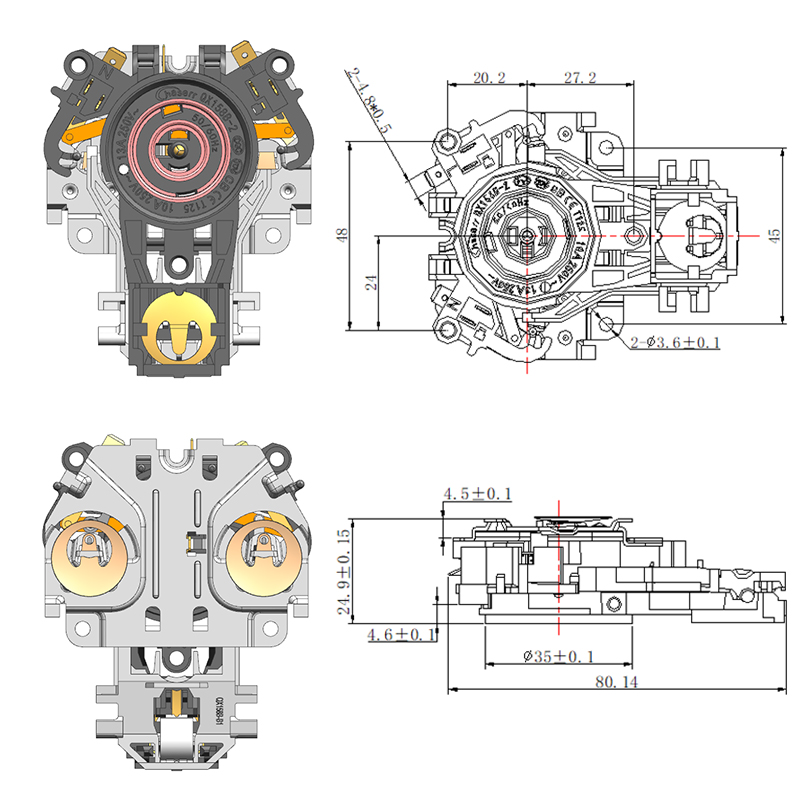
A Bimetal Thermostat Diagram can help a lot when explaining this relationship to engineering, purchasing, or production teams who might not all share the same background. A clear diagram shows how the bimetal element, switch, connection points, and surrounding structure relate to each other at a glance.
For manufacturers juggling different kettle models at once, this kind of visual information makes communication a lot easier across departments. It gives everyone a shared reference point for the component arrangement before production ever starts.
How Does the Thermostat Connect With the Kettle Base?
The thermostat is only one piece of the wider electrical arrangement. It needs to connect with other components in a way that supports both the intended circuit and the physical structure of the kettle base holding everything together.
A Thermostat Connector provides an important connection point within that arrangement. Its selection should correspond with the thermostat and the surrounding electrical components rather than getting chosen on its own. A mismatch here can make assembly noticeably harder even when each individual part looks fine sitting by itself.
The Thermostat Coupler carries a similar relationship with the temperature-control assembly. Its position and connection structure need to let the thermostat system work with the rest of the kettle base without unnecessary interference getting in the way.
The basic relationship can get pictured this way:
The actual appliance design varies from model to model, sure, but the connection logic stays important regardless. Each component needs a clear role within the complete arrangement, not a vague "it probably fits" assumption.
This is also where the Base Coupler becomes relevant to the whole picture. The base coupler should correspond with the kettle's base structure and provide a practical connection between the intended components sitting around it. Its design shapes how easily the assembly gets positioned and checked during production.
Why Is the Kettle Connector Important During Component Selection?
A kettle connector might look like a small assembly detail buried in the parts list, but it shapes how different electrical components come together on the base. The connection needs compatibility with the intended kettle design rather than getting chosen in isolation from everything else.
The Kettle Connector can get considered alongside the thermostat and base components during early product planning, well before tooling gets locked in. When these parts get selected together as a group, manufacturers get a much better shot at catching fitting problems before production ramps up.
A Kettle Base Connector also affects the physical arrangement of the base itself. Its location needs to leave enough room for nearby temperature-control and electrical components while still supporting the intended assembly sequence step by step.
| Connection Component | Selection Focus |
|---|---|
| Thermostat Connector | Compatibility with thermostat assembly |
| Thermostat Coupler | Connection and component positioning |
| Kettle Connector | Relationship with the appliance circuit |
| Kettle Base Connector | Fit within the base structure |
| Base Coupler | Integration with the wider base assembly |
The purpose here isn't piling on more components than necessary just to be thorough. A practical electrical design uses components with clearly defined roles and avoids unnecessary overlap between connection functions that could confuse the assembly line.
This approach also makes purchasing conversations a lot smoother. When each component has a clear place in the assembly, buyers can communicate requirements more accurately with suppliers instead of relying on vague descriptions.
How Can Coupler Design Affect Electrical Assembly?
Coupler design shapes assembly because it determines how connected components actually meet each other on the base. A coupler that's easy to identify and position makes repeated assembly a lot more straightforward across a full production shift.
The Coupler Working relationship should get considered alongside the component's physical position, not treated as a separate concern. A coupler might provide a secure connection on paper, but its surrounding structure also needs to let workers install and inspect it without excessive fumbling.
The Coupler Function stretches broader than simply joining two parts together. In an electric kettle, the coupler forms part of a carefully arranged electrical and mechanical system that has to work as a whole.
Manufacturers can weigh several practical factors here:
- Connection direction.
- Component orientation.
- Available assembly space.
- Relationship with the thermostat.
- Access for inspection.
- Ease of replacement when required.
These considerations grow more important once production settles into repeated assembly across a full workday. Small difficulties that barely register once become a lot more noticeable when the same task repeats throughout an entire production run.
A suitable coupler design supports a clearer assembly sequence for the whole team. Workers identify where the component belongs, connect it with the intended part, and move on to the next stage without unnecessary repositioning slowing things down.
What Role Does an Adjustable Bimetal Thermostat Switch Play in Component Planning?
Some kettle designs use an Adjustable Bimetal Thermostat Switch, where the temperature-control arrangement allows adjustment as part of the product design itself, letting users pick between settings like keep-warm or full boil. When a component like this gets used, the surrounding parts need to provide suitable access and support for that adjustment to actually happen.
The adjustment area shouldn't get blocked by the coupler, connector, or nearby structural elements crowding in around it. This means the thermostat selection needs consideration alongside the physical layout of the base, not decided separately and bolted on later.
The design team can examine the relationship between:
- Thermostat position.
- Switching mechanism.
- Connection points.
- Base structure.
- Assembly access.
An adjustable component offers a different design approach compared to a fixed arrangement. The right choice depends on the intended appliance structure and the control requirements the product actually needs to meet.
The important point running through all of this: the thermostat shouldn't get treated as some isolated component floating on its own. Its physical relationship with the base and electrical connections shapes assembly planning at every stage.
How Can Manufacturers Use Testing to Check Component Compatibility?
Testing helps manufacturers figure out whether the selected components genuinely work together as intended, rather than just assuming they will based on a drawing. The process can include checking physical fit, connection condition, switching behavior, and the relationship between the thermostat and surrounding components.
Coupler Testing becomes part of this process whenever the connection plays a meaningful role in the assembly. The purpose stays simple: confirm that the component fits the intended structure and performs its assigned connection role without surprises.
Testing also surfaces problems that are hard to spot from drawings alone, no matter how detailed they look. A component might seem perfectly suitable during a design review meeting and then turn genuinely difficult to handle once it's assembled alongside its actual neighbors on the line.
| Check Area | Question |
|---|---|
| Physical fit | Does the component sit correctly? |
| Connection | Does the intended connection form work as planned? |
| Position | Does the component remain in the intended location? |
| Access | Can workers inspect the assembly? |
| Switching | Does the thermostat respond as intended? |
| Assembly sequence | Can the component be installed without unnecessary steps? |
For manufacturers, these checks support more consistent component selection over time. They also give engineering and production teams a real opportunity to catch design changes before a component becomes deeply woven into the manufacturing process and hard to swap out later.
How Should Electrical Design Logic Guide Final Component Choices?
Electrical design logic should guide component selection right from the beginning, not get bolted on after the mechanical layout is already locked in. The thermostat, switch, connector, coupler, and heating-related components all need to form a compatible system working together, not a collection of parts that merely happen to coexist.
The Electric Kettle Base Coupler stands as one example of a component whose suitability hinges entirely on its relationship with the complete base assembly. Its selection should account for connection requirements, component positioning, assembly access, and the surrounding structure all at once.
The same principle carries over to the Bimetal Thermostat Function. The thermostat needs to respond to temperature and operate its switching mechanism as intended, while the surrounding electrical components need to support that action without getting in the way.
A practical selection process can follow the product structure step by step:
This sequence keeps component choices tied to the actual product function throughout, rather than drifting into guesswork partway through.
It also gives purchasing and production teams a lot clearer information to work with. Instead of asking whether some particular connector or coupler can technically be used on its own, they can evaluate whether it genuinely belongs in the intended kettle assembly.
When temperature control, electrical connections, and physical assembly get considered together from the start, component selection becomes a lot more structured overall. The Bimetal Thermostat Working Principle provides the functional starting point, while the thermostat connector, base coupler, and kettle base components help turn that control concept into a practical appliance sitting on a store shelf.
Featured Products


-
No. 2892, Ningkang East Road, Tiancheng Industrial Zone, Yueqing City, Zhejiang Province
-
 Email: Una@chaserr.cc
 -
 Phone: +86-13075775533
- GET IN TOUCH

Electric Kettle Thermostat Coupler Manufacturer