English
  中文简体
中文简体  Español
How Does Component Interchangeability Affect Kettle Connectors
Plenty of electric kettles look similar on the outside while hiding fairly different structures underneath. Two models might share a nearly identical shape, yet use different arrangements for the base, control components, wiring, or connection points entirely. That difference becomes a genuine headache the moment someone needs to source a replacement part across several product lines at once.
Interchangeable components help here, but only when their design genuinely suits more than one compatible application. Rather than treating every kettle model as its own isolated parts system, manufacturers can build related components around shared design logic where that logic actually holds up. Doing this tends to make inventory management more practical and cuts down on unnecessary duplication moving through the supply chain.
This doesn't mean every component should fit every kettle — that's not realistic, and pretending otherwise causes more problems than it solves. The real value comes from figuring out where shared designs genuinely make sense and where a part needs to stay specific to one product structure.
| Component | Interchangeability Consideration |
|---|---|
| Bimetal Thermostat | Depends on surrounding mounting structure |
| Thermostat Coupler | Tied closely to specific thermostat arrangement |
| Kettle Base Connector | Depends on body-to-base connection design |
| Electric Kettle Base Coupler | Varies by internal base assembly method |
Suppliers who understand this distinction between components that merely look universal and ones that are actually compatible end up building a far more useful product range, and it helps buyers communicate exactly what they need when sourcing a replacement.
How Standardization Shapes Kettle Base Connector Supply
Standardization changes how kettle components move from the factory floor into after-sales channels. Once a certain connection structure becomes common across multiple products, suppliers can organize related parts around shared categories instead of treating every single order like an entirely new project.
The Kettle Base Connector illustrates this well. Its whole role centers on the relationship between the kettle body and its base, so its design has to correspond closely with whatever structure surrounds it. When manufacturers settle on more consistent connection arrangements, sourcing and replacement both become noticeably easier to organize on the supply side.
Standardization also gives manufacturers and buyers a shared reference point during conversations about replacement parts. Instead of relying purely on how a part looks, buyers can identify the connector type, its intended use, and how it relates to the parts around it — details that matter a lot more than surface appearance.
That said, standardization shouldn't erase attention to model differences. Manufacturers still change internal arrangements when developing new product lines, and the practical goal isn't universal sameness — it's building common solutions where they genuinely work while keeping enough flexibility for designs that need something different.
Where The Thermostat Coupler Fits Into Replacement Parts
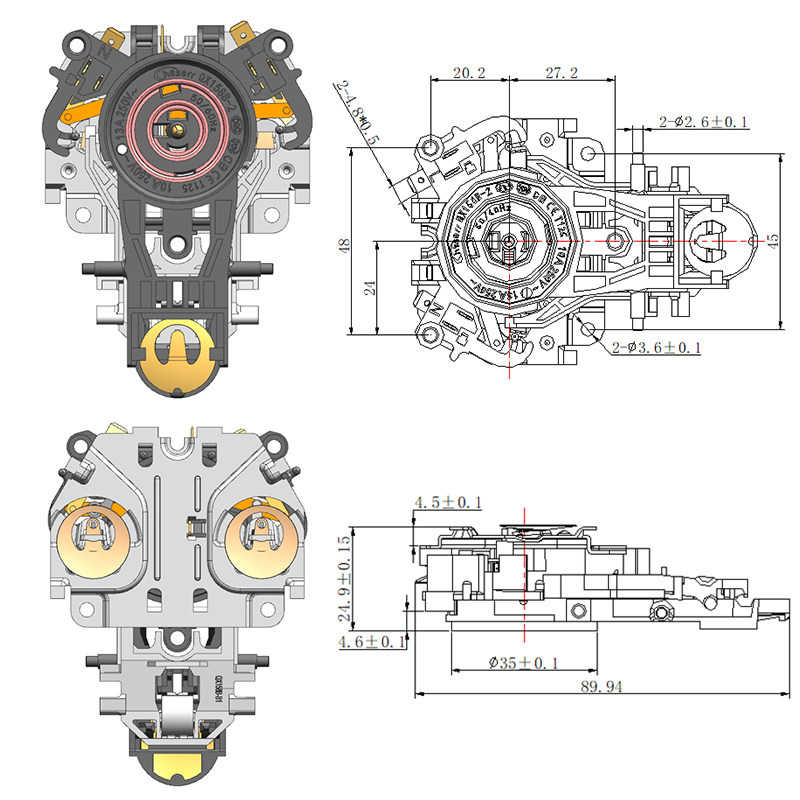
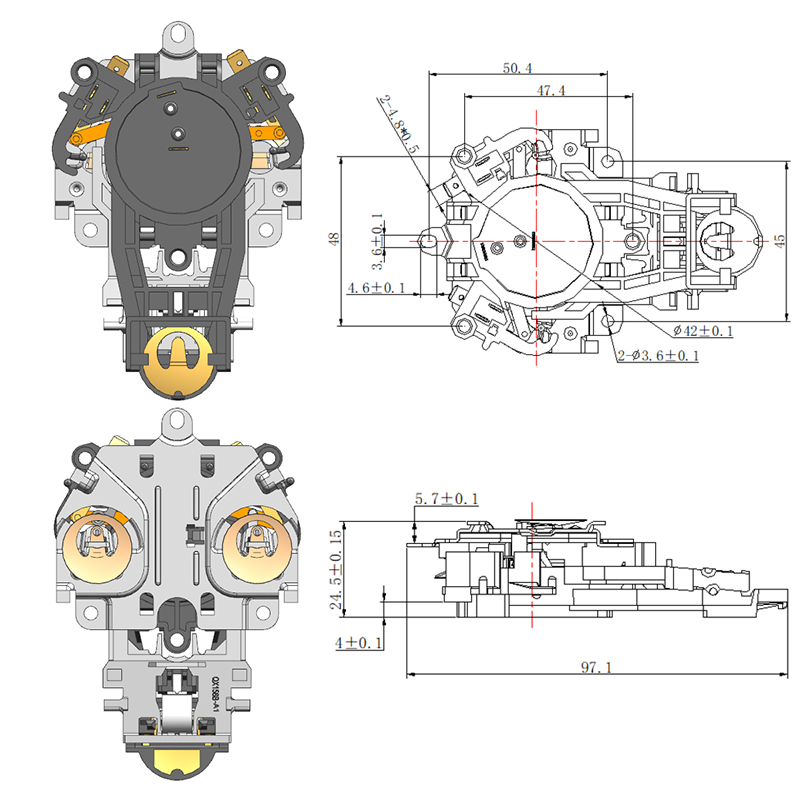
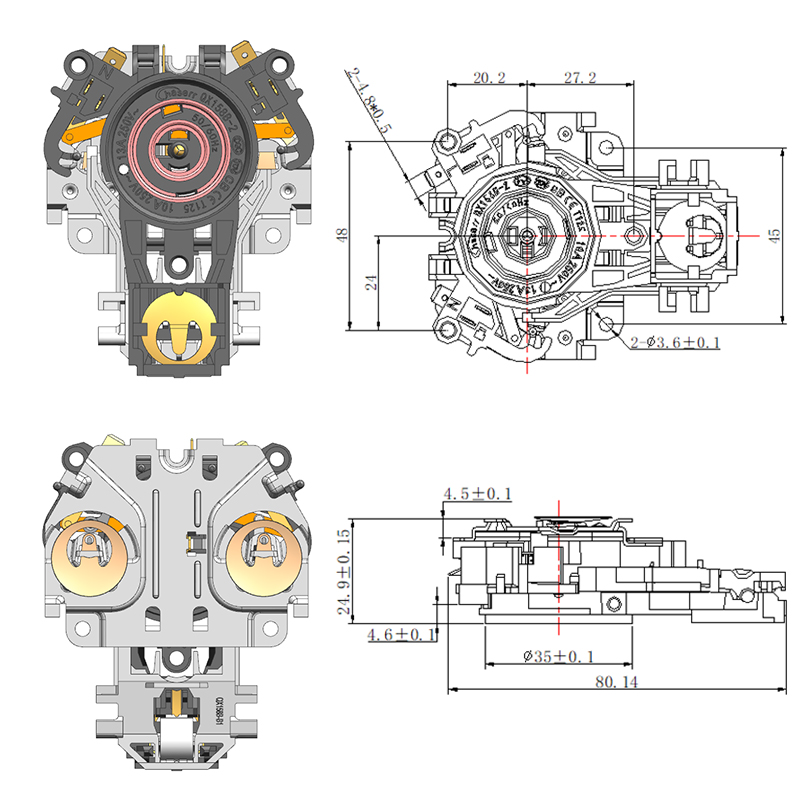
The Thermostat Coupler belongs to a broader group of components linking control elements to the kettle's overall structure. From a replacement-parts angle, its value isn't just about the coupler on its own — how well it fits with surrounding parts determines whether it can actually be used during a repair.
This is exactly why the Bimetal Thermostat Working Principle doesn't need to dominate every conversation about kettle components. For after-sales work, buyers usually care more about whether a replacement part matches the existing product structure and whether it can go in without forcing unnecessary changes elsewhere.
A Thermostat Coupler might look like a minor part, but small components create outsized sourcing headaches when they're tied tightly to one specific product design. If a replacement doesn't match cleanly, a repair business can end up searching through several part categories before landing on something that actually fits.
Manufacturers can ease this by organizing components around application and compatibility rather than appearance alone. Clear identification helps buyers understand exactly which coupler pairs with which thermostat arrangement, which keeps the whole replacement process more structured and cuts down on confusion when a few similar-looking parts are sitting on the same shelf.
How Different Kettle Models Create Real Sourcing Challenges
Different product models naturally create different demands for components. A manufacturer running several kettle designs at once might share certain parts across some models while choosing entirely different components for others — usually because appearance, internal layout, or assembly methods have shifted between lines.
For suppliers, the real challenge is understanding these differences without turning the parts catalog into something unmanageable. Grouping genuinely compatible components makes inventory easier to handle. At the same time, model-specific parts need clear labeling so buyers don't assume that two similar-looking products share the same internal parts.
The Electric Kettle Base Coupler makes this point clearly from the base assembly side. A coupler built for one structure doesn't automatically suit another structure just because both happen to be electric kettles — the surrounding connection design is what actually decides whether a swap makes sense.
| Factor | Why It Matters for Sourcing |
|---|---|
| Kettle structure | Determines base compatibility |
| Existing component | Confirms exact replacement match |
| Intended application | Clarifies correct part category |
| Assembly arrangement | Affects whether installation works cleanly |
Product model information becomes genuinely useful at the purchasing stage. Suppliers asking about kettle structure, the existing component, or the assembly arrangement before confirming a sale isn't an extra hurdle — it's a real safeguard against sending out a part that only looks right.
Whether Interchangeable Parts Actually Simplify Assembly
Assembly is another spot where interchangeability makes a real difference. When related components follow a consistent connection concept, workers get more familiar with the assembly process over time, which tends to make both production and maintenance easier to organize on a day-to-day basis.
That benefit isn't limited to the factory floor. Repair businesses handle repeated replacement work constantly, and familiarity speeds up routine jobs noticeably. When similar components follow related installation logic, technicians spend less time adjusting to a completely unfamiliar part arrangement every time a new job comes in.
Kettle Base Connector designs end up influencing more than just the connection itself, then. A component that's easy to identify and install fits naturally into a standardized production or repair workflow, which matters a lot for manufacturers supporting several product lines simultaneously.
Easy assembly should not be confused with unrestricted interchangeability, though. A part still needs to match the design and application before installation — standardized assembly creates consistency among parts that are designed to work together, while still requiring a proper fit check before installation.
How Interchangeability Reshapes After-Sales Inventory
After-sales supply runs on a different rhythm than regular production. Manufacturers might produce large batches of a kettle during one production run, but demand for replacement parts often continues well after that original production has moved on to something else entirely. That gap makes spare-parts planning a real, ongoing part of the kettle business.
When related components genuinely serve several compatible applications, inventory planning gets noticeably easier. Suppliers can organize replacement stock around component families instead of keeping a completely separate item for every single product model, which makes warehouse organization far more manageable in practice.
The same logic applies to the Thermostat Coupler and Electric Kettle Base Coupler. When compatible versions are clearly grouped together, distributors can figure out which components actually support multiple product applications, letting them respond to replacement requests without stocking an unnecessarily wide range of parts that rarely get used.
After-sales supply also depends heavily on clear identification. A supplier might have a component that looks nearly identical to what's requested but actually belongs to a different design entirely. Clear records, product images, application notes, and compatibility references end up being genuinely valuable tools for managing replacement parts accurately.
What Manufacturers Should Weigh When Developing Replacement Components
Replacement components need consideration from the very start of product development, not as an afterthought once a product's already on the market. A part might work fine during original assembly but create real headaches later if it's hard to identify, hard to source, or too closely tied to just one product version.
Manufacturers can look at shared component structures when developing related kettle models — examining which parts can reasonably follow a common design and which need to stay specific to a particular product structure. That kind of planning connects product development directly to future maintenance needs, rather than treating the two as separate concerns.
The Bimetal Thermostat is one example of a component that might show up across different kettle designs while still needing careful attention to its surrounding arrangement. The thermostat itself is just one piece of the whole replacement puzzle — couplers, connectors, mounting structures, and related parts all need consideration when planning for genuine compatibility.
This broader approach shapes supplier relationships too. Manufacturers who organize their components around clear product families end up communicating more easily with parts suppliers and after-sales distributors, giving the whole supply chain a clearer structure instead of treating every replacement request as its own isolated transaction.
Building A More Flexible Parts Strategy For Suppliers
Suppliers increasingly deal with buyers who want more than a single component here and there. They often need replacement support across several kettle models, dependable parts availability, clear compatibility information, and straightforward communication throughout the purchasing process.
A flexible supply strategy starts with clear classification. Components like the Kettle Base Connector, Thermostat Coupler, and Electric Kettle Base Coupler can be organized by application, compatible structures, and their relationship to different product families. That structure gives buyers a much clearer path from their actual requirement to the right component.
Documentation matters just as much as classification. Simple product descriptions that explain where a part is meant to be used — without burying that information in overly technical language — help distributors and repair teams compare their needs against available stock quickly.
Supplier flexibility extends into production planning too. Some buyers need parts for current products still in production; others need components supporting older models that have been out of production for a while. A supplier who understands both situations treats replacement-parts supply as an ongoing service rather than a series of one-off transactions.
Component interchangeability, in the end, is part of a much larger conversation about how kettle manufacturers manage their product families over time. As product ranges keep expanding, the relationship between standardization, replacement parts, assembly, and after-sales supply only grows more relevant. Small parts like the Bimetal Thermostat, Thermostat Coupler, Kettle Base Connector, and Electric Kettle Base Coupler all end up woven into that same broader supply chain structure, whether anyone notices it at the counter or not.
Featured Products


-
No. 2892, Ningkang East Road, Tiancheng Industrial Zone, Yueqing City, Zhejiang Province
-
 Email: Una@chaserr.cc
 -
 Phone: +86-13075775533
- GET IN TOUCH

Electric Kettle Thermostat Coupler Manufacturer