English
  中文简体
中文简体  Español
How Bimetal Thermostat Working Principle Improves Kettle Safety
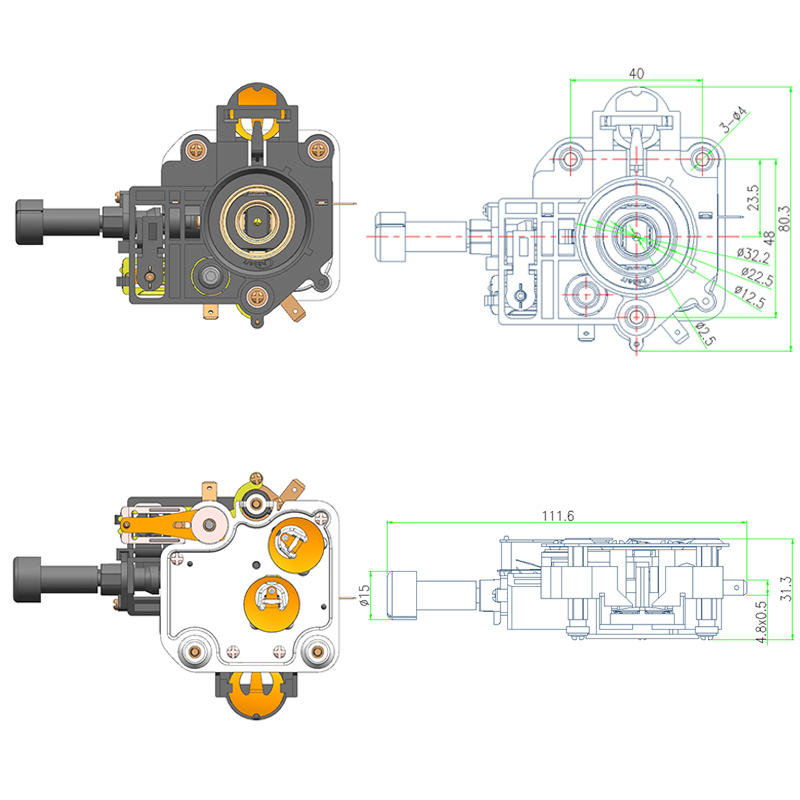
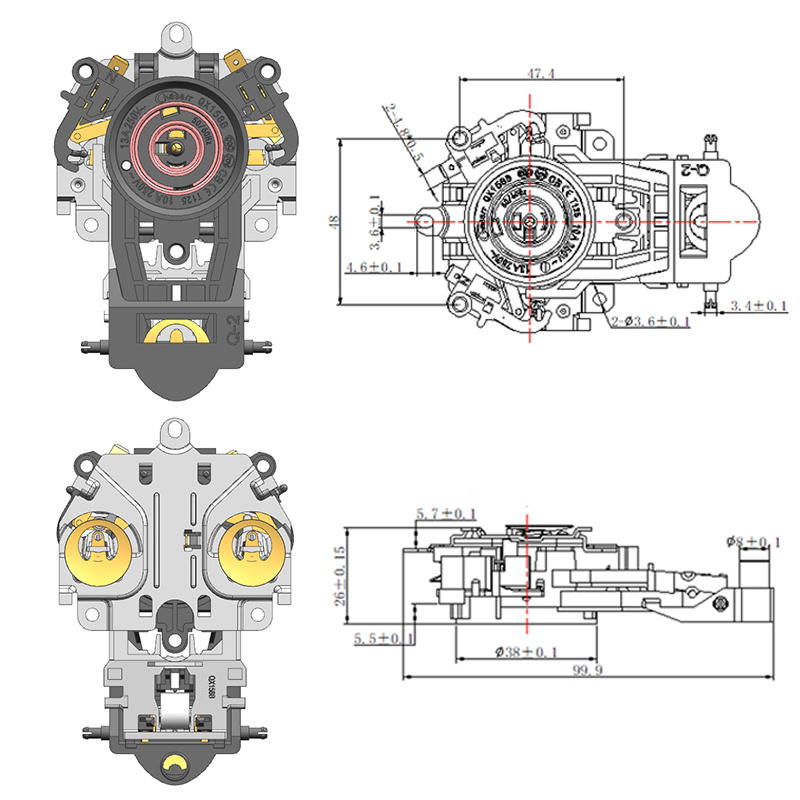
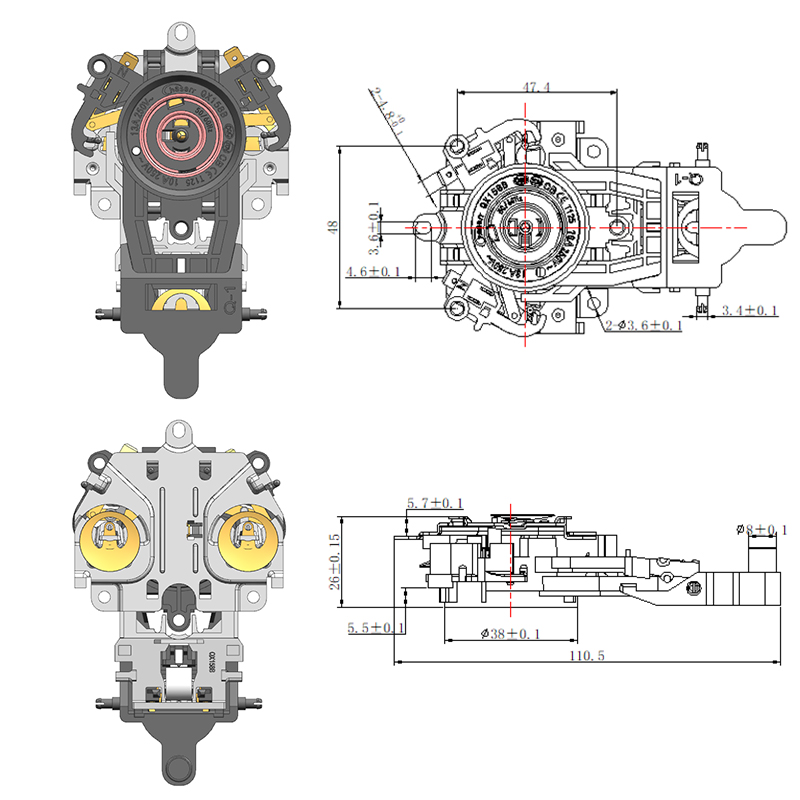
Fill an electric kettle, flip the switch, and walk away to grab a mug from the cabinet. By the time you're back, the kettle has already clicked off on its own, water sitting right at a rolling boil without anyone standing there watching it. That automatic shutoff isn't magic. It's a small strip of metal inside the kettle bending under heat until it physically breaks the electrical connection. The Bimetal Thermostat Working Principle explains exactly how that happens, and it's been quietly doing this job in kettles for decades without needing a single microchip.
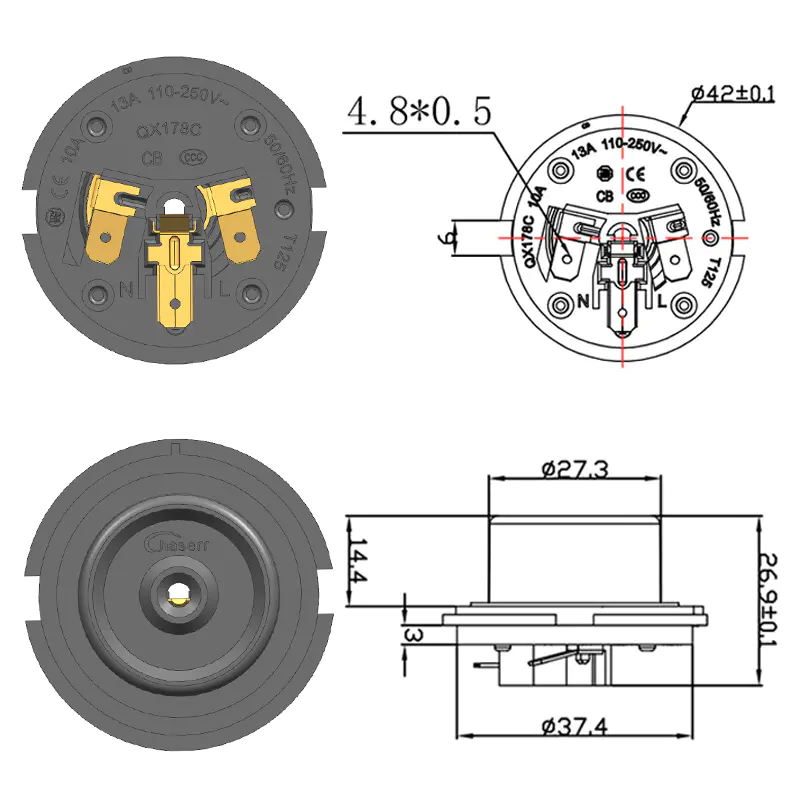
Kettle design used to focus almost entirely on how fast water could boil. That's changed. Safety and reliability now sit right alongside speed as design priorities, and components like the Kettle Base Connector and Electric Kettle Base Coupler play their own supporting roles in making sure the whole appliance works safely from the moment it's plugged in.
What's Actually Happening Inside a Bimetal Thermostat
Two different metals bonded together, and here's the key detail: those metals expand at different rates when heated. Bond a strip of one metal to a strip of another, then heat that combined strip, and it bends rather than expanding evenly. That's the entire mechanical trick behind a bimetal thermostat.
| What Happens | Why It Matters |
|---|---|
| Water heats up inside the kettle | The bimetal strip sitting near it absorbs that rising heat |
| The two metal layers expand at different speeds | The strip bends, since one side stretches more than the other |
| That bending motion pushes against an electrical contact | The circuit gets physically interrupted |
| Power to the heating element cuts off | The kettle stops heating automatically |
Nobody has to press a button or check a display for this to work. The metal does the sensing and the switching entirely through its own physical shape, which is part of why this design has stuck around in so many appliances for so long.
Why Controlling Temperature Actually Matters for Safety
A heating element left running with no way to shut off eventually becomes a real hazard, not just an inconvenience. Water boiling dry inside a kettle can damage the appliance and, in some cases, create a fire risk if nothing intervenes.
A thermostat's safety role generally comes down to:
- Cutting power before water boils dry or overheats the kettle body
- Removing the need for someone to stand and watch the kettle the entire time
- Making the appliance predictable enough that people trust it running unattended
- Reducing the everyday risk of a forgotten kettle turning into a bigger problem
A parent boiling water for a bottle while also managing two other things in the kitchen relies on this mechanism working correctly every single time, without needing to think about it at all.
How the Thermostat Shapes Everyday Kettle Use
Getting water to boil is the easy part of a kettle's job. Doing it safely, repeatedly, without requiring constant attention, is where the thermostat earns its place inside the appliance.
| What the Thermostat Does | What It Means for the User |
|---|---|
| Senses rising heat inside the kettle | Reacts automatically, without user input |
| Physically interrupts the circuit | Stops heating at the right moment |
| Removes the need to watch the kettle | Frees someone up to do something else while it boils |
| Supports consistent, safe operation | Builds trust that the appliance won't overheat |
A household using the same kettle daily for years benefits from this consistency. The thermostat doesn't wear out or lose accuracy the way a more complicated electronic sensor might after repeated use.
What the Kettle Base Connector Actually Handles
Most electric kettles separate into two pieces: the kettle itself, which gets filled and poured, and a fixed base that plugs into the wall. The Kettle Base Connector is what makes that separation work without leaving a cord dangling from the kettle body itself.
This connector supports:
- A stable electrical link every time the kettle gets placed back on its base
- Easy lifting and pouring, since there's no cord attached directly to the kettle
- A cleaner, more manageable design overall for daily kitchen use
- Consistent contact even after repeated placement and removal
Anyone who's used an older kettle with a permanently attached cord knows how awkward that setup can be when pouring. The connector solves that specific annoyance by keeping the cord fixed to the base instead.
How the Base Coupler Keeps Power Moving Safely
The Electric Kettle Base Coupler works alongside the connector, forming the actual point of contact where electricity passes from the base into the kettle body once it's set down properly.
| What's Needed | How the Coupler Delivers It |
|---|---|
| Simple placement | The kettle sits down and connects without extra steps |
| Freedom to lift and move | No fixed cable restricting how the kettle gets used |
| Reliable electrical contact | Power transfers cleanly each time the kettle is placed back |
| Safe, controlled operation | Contact only completes when the kettle is properly seated |
A kitchen where the kettle gets lifted, filled, and set back down multiple times a day depends on this coupler holding up to that repeated handling without the connection becoming loose or unreliable over time.
How These Components Work Together as One System
These components work together rather than separately. The thermostat controls when heating should stop, while the base connector and coupler handle the transfer of power to the kettle. Each part needs to operate properly to support safe and reliable appliance performance.
| Component | What It's Responsible For |
|---|---|
| Bimetal thermostat | Reacting to temperature and cutting power at the right moment |
| Kettle Base Connector | Providing a stable link between kettle and base |
| Electric Kettle Base Coupler | Transferring electrical power once the kettle is seated |
| Heating element | Converting that electrical power into actual heat |
Picture someone filling a kettle, setting it on its base, and switching it on. The coupler and connector deliver power to the heating element, water starts heating, and once it reaches the right temperature, the thermostat physically interrupts that power flow. Every step depends on the one before it.
Why a Mechanical Part Still Holds Up Against Newer Technology
Plenty of appliances have shifted toward digital sensors and electronic controls, and kettles could technically follow that same path. Yet bimetal thermostats remain common, largely because they solve the problem directly without needing extra circuitry to fail.
Mechanical thermostats offer:
- A response based directly on physical heat, not a sensor reading that could glitch
- Fewer components that could break down over years of daily use
- Straightforward manufacturing that keeps production and repair costs reasonable
- A track record of reliable performance across decades of kitchen use
A kettle running on a mechanical thermostat doesn't need a software update or a replacement circuit board if something goes wrong. That simplicity carries real value in an appliance meant to run largely unattended.
How Buyer Expectations Are Reshaping Kettle Design
People buying kettles today expect more than just fast boiling. They want an appliance that feels safe leaving unattended, handles easily during daily use, and doesn't require constant troubleshooting.
| What Buyers Expect | How Manufacturers Are Responding |
|---|---|
| Confidence in safe operation | Refining thermostat accuracy and consistency |
| Components that fit together smoothly | Improving how base, connector, and heating parts integrate |
| Easy daily handling | Designing bases and connectors around comfortable use |
| Long-term reliability | Focusing on parts that hold up to years of repeated use |
A household replacing an older kettle often notices these improvements directly, especially in how smoothly the kettle sits on its base and how consistently it shuts off at the right moment.
What Makes Kettle Safety Design Genuinely Tricky
Getting every component to work correctly together isn't automatic. Manufacturers have to account for how these parts interact under real daily conditions, not just in a testing lab.
| Challenge | What It Involves |
|---|---|
| Getting temperature response right | The thermostat needs to react accurately, not too early or too late |
| Making components fit together properly | Thermostat, base, and coupler all need to align physically and electrically |
| Keeping operation simple for users | Safety features shouldn't complicate everyday use |
| Building parts that last | Repeated heating and cooling cycles put real wear on components over time |
A manufacturer testing a new kettle design has to run it through hundreds of heating cycles to confirm the thermostat keeps responding accurately, since a small manufacturing inconsistency could mean the difference between shutting off at the right moment and not shutting off at all.
Where This Mechanical Principle Fits Into What Comes Next
The Bimetal Thermostat Working Principle keeps showing up in kettle design because it solves a real safety problem in a way that's held up reliably for a long time. As kettle designs keep evolving around convenience and safety expectations, this mechanical approach continues proving itself alongside newer base connector and coupler designs that make daily handling smoother.
The relationship between these parts — a thermostat reacting to heat, a connector providing stable contact, a coupler transferring power safely — shows how a handful of straightforward mechanical ideas can come together to make an everyday appliance both easier to use and safer to leave running while you step away to grab a mug from the cabinet.
Featured Products


-
No. 2892, Ningkang East Road, Tiancheng Industrial Zone, Yueqing City, Zhejiang Province
-
 Email: Una@chaserr.cc
 -
 Phone: +86-13075775533
- GET IN TOUCH

Electric Kettle Thermostat Coupler Manufacturer