English
  中文简体
中文简体  Español
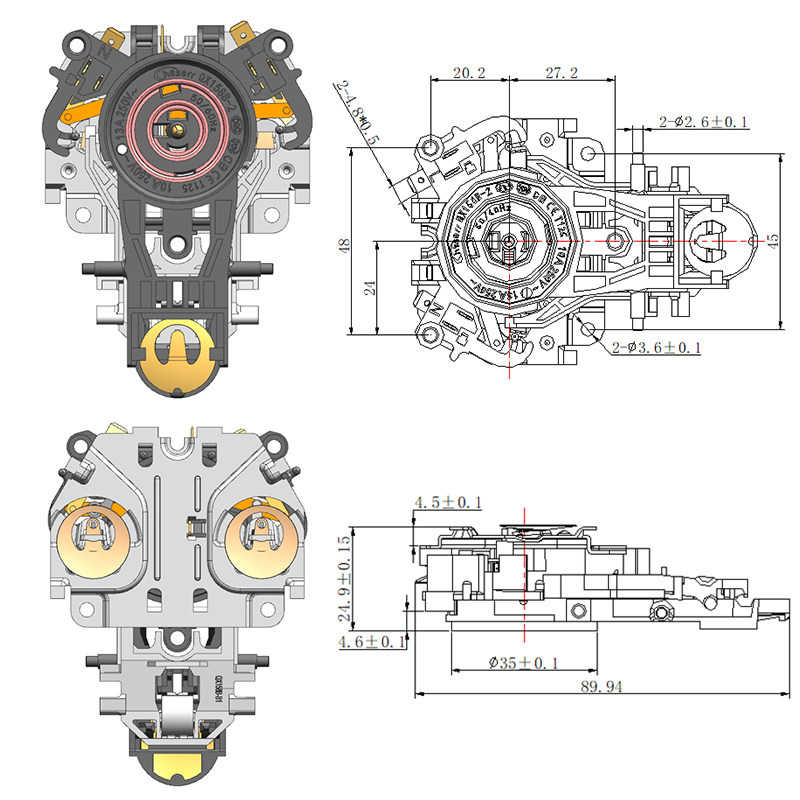
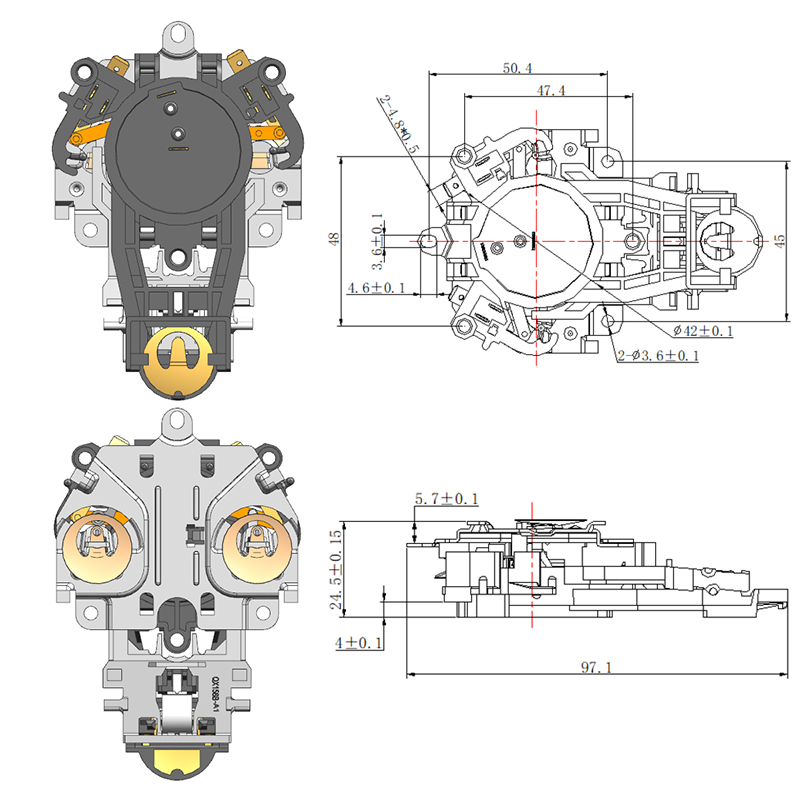
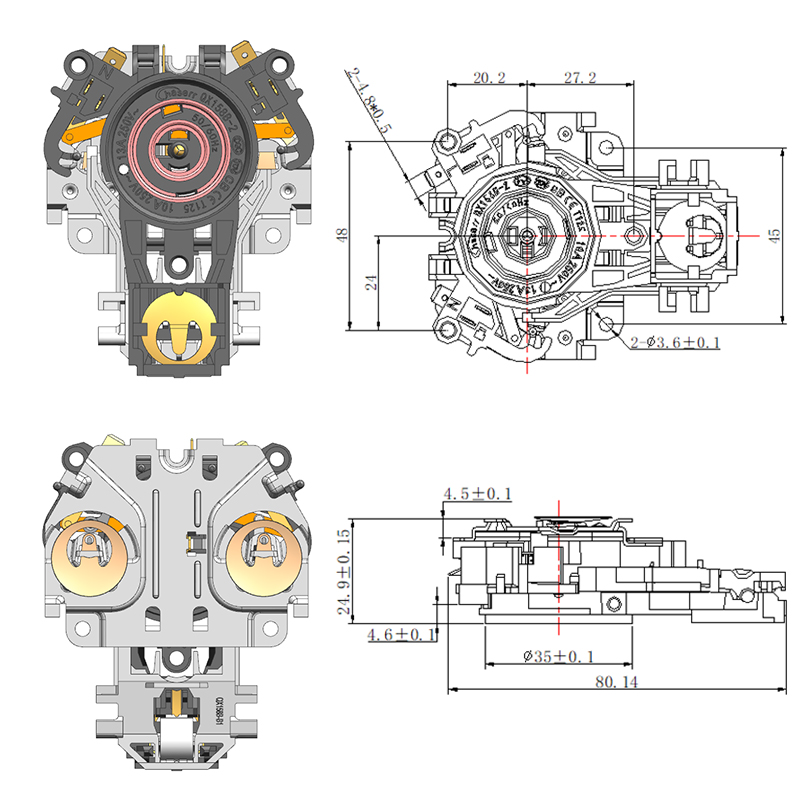
Kettle Coupler Samples: Keep the Component Revision Visible
A component sample may pass between purchasing, design and production teams without its drawing revision travelling with it. For an electric kettle coupler, that can make later feedback difficult to interpret: the team has a physical part, but not a clear record of which version it represents.
Sample identification is a practical way to keep that discussion controlled. It should link the proposed component to the appliance configuration being evaluated.
Identify the sample and its drawing
Ask the supplier to provide the item code and revision information with each sample. Keep any accompanying specification in the same record. If several alternatives arrive, give them distinct references before evaluation begins.
A handwritten description such as “new connector” is not sufficient for a repeat order. The record needs to distinguish changes that may not be obvious from appearance.
Define the intended interface
Provide the relevant appliance assembly information and ask the supplier to identify the mating components covered by its proposal. Review drawings and supplied parts together.
Electrical and mechanical suitability must be evaluated by the responsible qualified personnel using the applicable requirements. A visual fit check alone does not establish safety, ratings or conformity.
Keep feedback tied to the tested version
A concise sample record can include:
The component code and drawing revision. The appliance or assembly reference used in the evaluation. The evaluation method and responsible team. Observations, unresolved questions and the approval decision.
Do not merge feedback from different revisions into one unexplained result. If a component changes, identify whether the existing evaluation still applies or further review is required.
Transfer the approved reference to the order
The purchase record should name the approved version and the supporting specification. Confirm how supplied components will be identified and which documents accompany the shipment.
Where tooling or material changes are proposed, have the responsible team review their effect before treating the supply as unchanged. A similar external shape does not demonstrate an identical component.
The aim is not to create paperwork for its own sake. It is to make an approval understandable after the sample has left the desk of the person who first reviewed it. A controlled reference allows the supplier, buyer and appliance team to discuss the same kettle coupler version and gives future production enquiries a concrete starting point.
Featured Products


-
No. 2892, Ningkang East Road, Tiancheng Industrial Zone, Yueqing City, Zhejiang Province
-
 Email: Una@chaserr.cc
 -
 Phone: +86-13075775533
- GET IN TOUCH

Electric Kettle Thermostat Coupler Manufacturer