English
  中文简体
中文简体  Español
How Should Thermostat Couplers Fit Kettle Base Connectors
An electric kettle may look genuinely simple from the outside, but several small components work together whenever the appliance gets placed on its base, much like a phone's charging pins that have to align just right before power actually flows. The connection between the kettle and its base needs to support power transfer, repeated placement, and reliable contact during normal use throughout the day. This is exactly where a Thermostat Coupler becomes relevant to the wider design of a Kettle Base Connector.
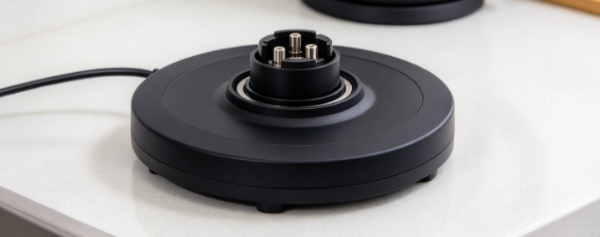
Selection isn't simply about choosing a component that fits into the available space on a drawing. The coupler needs to match the surrounding contact structure, the kettle's operating requirements, and the way users handle the appliance every single day. A suitable combination can also make assembly, inspection, and maintenance genuinely easier for manufacturers down the line.
Why Does Thermostat Coupler Selection Matter in Kettle Base Connector Applications?
A Kettle Base Connector forms part of the connection system between the appliance and its base sitting on the counter. It needs to work with the corresponding contacts while allowing the kettle to get placed and removed genuinely naturally, without forcing anything.
The thermostat-related components have a genuinely different role in the assembly, but their functions can interact with the overall connection arrangement all the same. If the parts aren't well matched, the appliance may experience inconsistent contact, difficult assembly, or unnecessary movement around the connection area.
Several factors can influence the selection process worth reviewing together.
| Selection Area | Design Consideration |
|---|---|
| Contact arrangement | Should match the surrounding connection structure |
| Physical fit | Needs to work within the available space |
| Repeated movement | Should suit regular kettle placement |
| Material choice | Needs to match the intended application |
| Assembly method | Should support consistent production |
| Maintenance | Should allow practical inspection |
Looking at these factors together gives manufacturers a genuinely clearer view of how the coupler fits into the complete kettle base system, rather than as a standalone part.
How Does the Kettle Base Connector Work With the Thermostat Coupler?
The Kettle Base Connector provides a physical connection point between the kettle and its base underneath. Depending on the design, several contact areas may work together to provide the required electrical connection and support genuinely normal appliance operation throughout use.
The Thermostat Coupler needs to fit into this wider arrangement, without interfering with nearby components crowded into the same small space. Its position, shape, and connection method can influence how easily the parts come together during assembly on the line.
A well-matched structure allows each component to perform its intended role, without creating unnecessary pressure on neighboring parts.
| Component | General Role |
|---|---|
| Kettle base | Supports the appliance during use |
| Base connector | Provides the connection interface |
| Thermostat Coupler | Links thermostat-related components within the system |
| Contact elements | Support electrical connection |
| Housing | Holds components in their intended positions |
The relationship between these parts stays genuinely important because a problem in one area can affect the experience of the complete assembly, rather than staying contained.
What Should Manufacturers Check Before Choosing a Thermostat Coupler?
Selection can genuinely begin with the physical arrangement of the kettle base as a starting point. Manufacturers need to understand exactly where the coupler will sit and how it will interact with nearby parts crowded into the housing.
The available space is only one consideration worth checking. The direction of assembly, contact position, fastening method, and surrounding housing can also influence whether a particular design proves genuinely practical to build.
Connection position deserves attention first. The coupler should align genuinely naturally with the surrounding components, since unnecessary adjustment during assembly can make production genuinely more difficult for the team on the line.
Movement pattern matters too. The kettle may get lifted from and returned to the base repeatedly throughout a single morning, so the connection system should accommodate this normal movement without complaint.
Component access rounds out the review. Parts that require inspection or replacement shouldn't be unnecessarily difficult to reach once everything gets assembled. Housing compatibility matters as well, since the coupler needs to work within the structure that holds the other components in place around it.
These checks can help manufacturers avoid treating the coupler as an isolated component sitting apart from everything else.
How Does Contact Arrangement Affect Coupler Selection?
Contact arrangement has a genuinely direct connection with how components fit together in the final assembly. A coupler may be suitable for one layout but genuinely difficult to use in another, simply because the surrounding contacts get positioned differently.
The relationship between contact points should therefore get considered during product development from an early stage. A small change in position can affect how the kettle sits on its base or how the internal parts get arranged around it.
The contact area also needs to remain genuinely stable during normal handling around the kitchen. Repeated placement can create movement around the connection point, especially when users don't place the kettle in exactly the same position every single time they reach for it.
| Contact Consideration | Why It Matters |
|---|---|
| Position | Helps maintain suitable alignment |
| Shape | Influences how parts meet |
| Surface condition | Can affect contact behavior |
| Stability | Helps reduce unnecessary movement |
| Accessibility | Supports inspection and assembly |
This makes contact design genuinely closely connected with coupler selection, rather than something that can get considered separately from the rest.
What Role Does the Bimetal Thermostat Working Principle Play?
The Bimetal Thermostat Working Principle gets based on the behavior of two bonded materials that respond differently to temperature changes around them. As temperature changes, the resulting movement can operate a switching mechanism that cuts power once water reaches its target.
For kettle manufacturers, understanding this basic operating concept helps clarify exactly why the thermostat-related connection needs to work with the surrounding electrical structure feeding into it.
The coupler doesn't determine the thermostat's operating principle on its own. Instead, it forms part of the connection arrangement around the thermostat and needs to fit the intended appliance design as a whole. This distinction proves genuinely useful during component selection.
A manufacturer may need to consider the thermostat function, the physical housing, the electrical contacts, and the connection between components as one coordinated system, rather than separate pieces. When these elements get designed together, the coupler can be selected according to its actual role, rather than being treated as a generic connector pulled off a shelf.
How Can Repeated Kettle Placement Affect Coupler Selection?
An electric kettle usually gets placed on and removed from its base many times during everyday use throughout the week. This repeated movement means the connection structure needs to accommodate genuinely regular contact and separation without wearing down quickly.
The movement may appear simple on the surface, but it creates repeated mechanical interaction between the kettle and the base underneath. Components around the connection area therefore need to remain properly positioned, while still allowing genuinely normal use to continue unhindered.
A Kettle Base Connector should get considered in relation to this repeated movement from the design stage. The corresponding coupler also needs to work within the same pattern established by daily handling.
Important considerations include stable positioning alongside smooth contact, and suitable component support together with consistent assembly. Resistance to ordinary handling rounds out the list worth checking.
Manufacturers can also review how the connection behaves whenever the kettle gets placed at slightly different angles, since not every user sets it down the exact same way. A practical design should account for normal user movement, rather than assuming every placement will be genuinely identical to the last.
Why Does Material Selection Matter for Thermostat Couplers?
Material selection affects how a component behaves during assembly and everyday operation over its service life. Different parts may need genuinely different combinations of flexibility, strength, surface condition, and heat tolerance depending on where they sit.
The material should therefore get considered together with the location of the coupler within the housing. A component positioned near a warm area may have genuinely different requirements from one located farther away from the heat source generated during boiling.
Material choice can also influence manufacturing directly. A material that's suitable for the intended function but genuinely difficult to process may create additional production challenges for the team building it. Manufacturers need to consider how the material behaves during forming, assembly, inspection, and regular use together.
| Material Consideration | Production or Usage Concern |
|---|---|
| Surface condition | Influences contact behavior |
| Structural strength | Supports component stability |
| Flexibility | Allows suitable movement |
| Heat tolerance | Supports use near warm areas |
| Process compatibility | Helps maintain consistent assembly |
The goal stays matching material characteristics with the actual working environment of the component, rather than picking something generic.
How Does Housing Design Influence Thermostat Coupler Selection?
A coupler doesn't operate alone inside the kettle base, floating independent of everything around it. It normally gets positioned within a housing that keeps the components genuinely in place throughout use.
Housing design can affect available space, assembly direction, contact alignment, and access for inspection down the road. A coupler that works well in one housing may require genuine changes once the surrounding structure gets redesigned for a different model.
This is exactly why component selection should happen alongside housing development, rather than after the structure has already been fixed on paper.
Manufacturers can check available installation space first, alongside the direction of component insertion during assembly. Position of surrounding contacts matters too, along with support around the coupler itself. Ease of inspection rounds out one consideration, while relationship with nearby parts closes out the review.
Good coordination between the housing and coupler can reduce unnecessary adjustments during assembly on the line. It can also make the complete component arrangement genuinely easier to understand during production for the whole team.
What Should Manufacturers Consider About Assembly?
Assembly is a genuinely important part of coupler selection because even a suitable component can create production difficulties if it proves awkward to install correctly.
The direction in which the component gets inserted matters quite a bit here. So does the way it gets secured and connected to neighboring parts crowded nearby. A practical assembly process should allow workers or automated equipment to position the component genuinely consistently, batch after batch. Parts that are easy to identify and orient can also reduce unnecessary handling on the line.
| Assembly Question | Reason |
|---|---|
| Can the component be positioned naturally? | Reduces unnecessary handling |
| Is the orientation easy to identify? | Helps avoid incorrect placement |
| Can the part be secured consistently? | Supports stable production |
| Is inspection accessible? | Makes quality checks easier |
| Does the design fit existing assembly steps? | Reduces process changes |
These considerations become especially relevant whenever the same kettle base design gets produced repeatedly across large volumes.
How Can Manufacturers Check a Thermostat Coupler During Production?
Inspection should cover genuinely more than whether the component is physically present in the assembly. The connection between the coupler and surrounding components also needs careful attention throughout the process.
Visual checks can identify incorrect positioning, damaged surfaces, or assembly problems before they leave the factory. Physical checks can help confirm that components are properly secured and that the connection behaves genuinely as intended once put through its paces.
Production teams may focus on component position alongside connection condition, and surface appearance together with fastening condition. Housing fit matters too, along with contact alignment rounding out the checklist.
Inspection methods should match the actual risks associated with that particular product line. A simple and repeatable inspection process can also make communication genuinely easier between production, quality, and purchasing teams working across departments.
For suppliers, clear inspection requirements can help maintain consistency whenever components get produced in different batches over time.
How Does the Electric Kettle Base Coupler Fit Into the Overall Design?
The Electric Kettle Base Coupler should get viewed as part of the complete connection system, rather than as an independent component floating on its own. Its relationship with the kettle base, contact structure, housing, thermostat components, and other electrical parts can genuinely affect how the finished assembly behaves once it reaches a customer's kitchen.
The selection process can therefore move from the outside inward, starting broad and narrowing down. Manufacturers can begin by understanding how the kettle connects with its base, then examine the contact structure and determine exactly where the coupler needs to fit within it. This approach helps connect product design with actual user movement, rather than abstract specifications alone.
| Design Area | Selection Focus |
|---|---|
| Kettle connection | Placement and repeated use |
| Base structure | Housing and support |
| Contact system | Alignment and connection |
| Thermostat area | Functional relationship |
| Assembly process | Positioning and inspection |
Considering these areas together can make it genuinely easier to identify a component that fits the intended application, rather than guessing.
How Can Suppliers Support Kettle Base Connector Development?
Suppliers can contribute genuinely more than individual components dropped off at a loading dock. Clear communication about dimensions, materials, assembly methods, and intended applications can help manufacturers coordinate different parts of the kettle base system as a whole.
This proves particularly useful whenever a Thermostat Coupler needs to work with an existing Kettle Base Connector already in production. A supplier that understands the surrounding application can communicate potential fit or assembly considerations genuinely more clearly to the buyer.
Product information should also stay genuinely easy to understand for the team reviewing it. Useful information may include intended application alongside material description, and connection method together with assembly considerations. Care or handling requirements matter too, along with available product variations rounding out the picture.
Clear communication can reduce misunderstandings between component suppliers and appliance manufacturers working across the table. It can also help purchasing teams compare products according to actual application needs, rather than relying only on product names on a catalog page.
What Can Manufacturers Learn From the Complete Selection Process?
Thermostat Coupler selection stays genuinely closely connected with the structure around it, rather than standing apart. The contact arrangement, housing, material, assembly process, and repeated movement of the kettle all influence how the component should get selected for that particular design.
The Bimetal Thermostat Working Principle explains the basic role of the thermostat system driving the switch, while the Thermostat Coupler supports the connection arrangement around that system. The Kettle Base Connector and Electric Kettle Base Coupler then need to work together within the wider base assembly, rather than as isolated parts.
Manufacturers can therefore approach selection as a coordinated design task, rather than a simple component purchase made off a spec sheet.
| Selection Stage | Main Focus |
|---|---|
| Application review | Understand how the kettle and base interact |
| Structural review | Check housing and contact arrangement |
| Component review | Match the coupler with surrounding parts |
| Assembly review | Confirm practical installation |
| Inspection review | Establish suitable production checks |
This approach gives manufacturers a genuinely clearer way to connect component selection with the everyday operation of the finished kettle base sitting on a customer's counter. It also keeps the coupler, contact structure, and thermostat-related parts aligned with the actual needs of the appliance design throughout its working life.
Featured Products
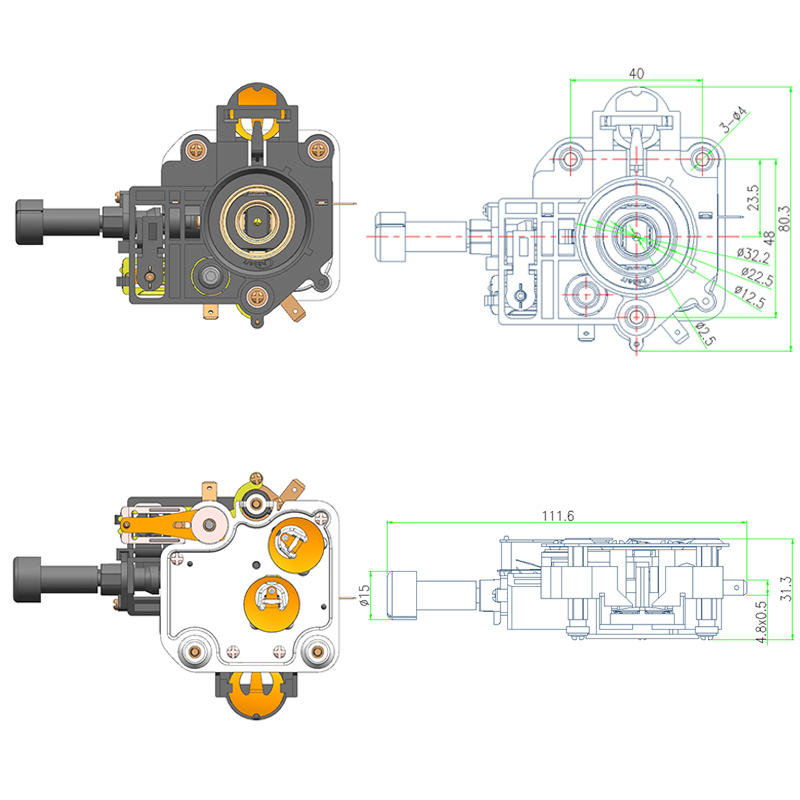

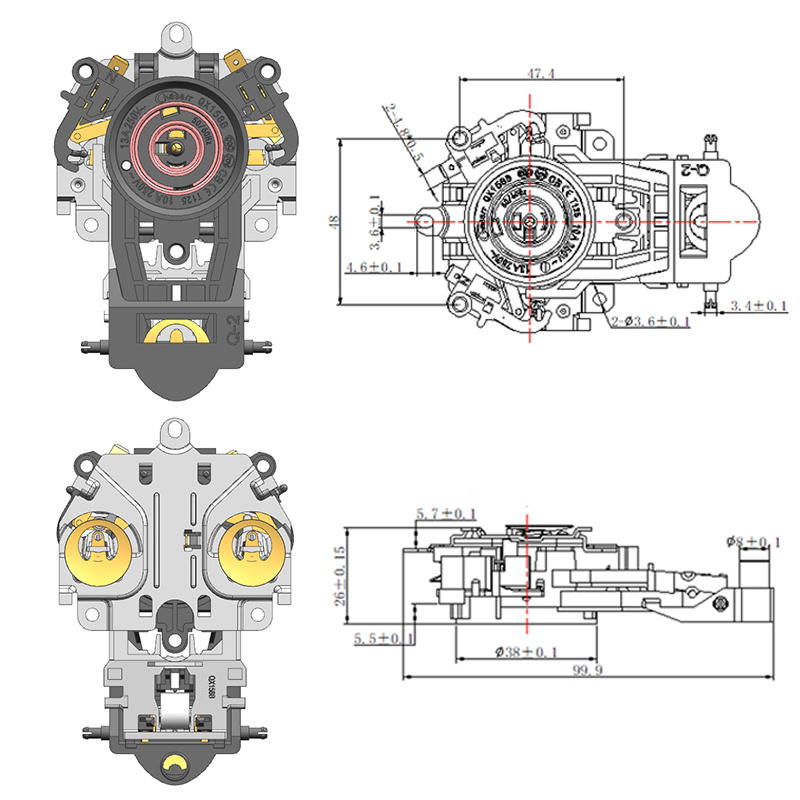
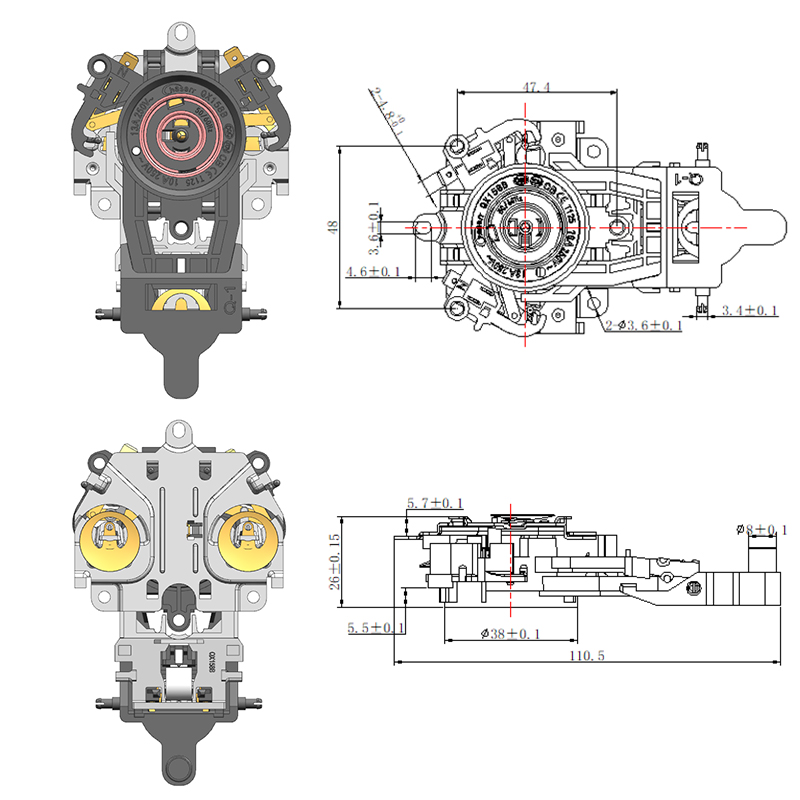
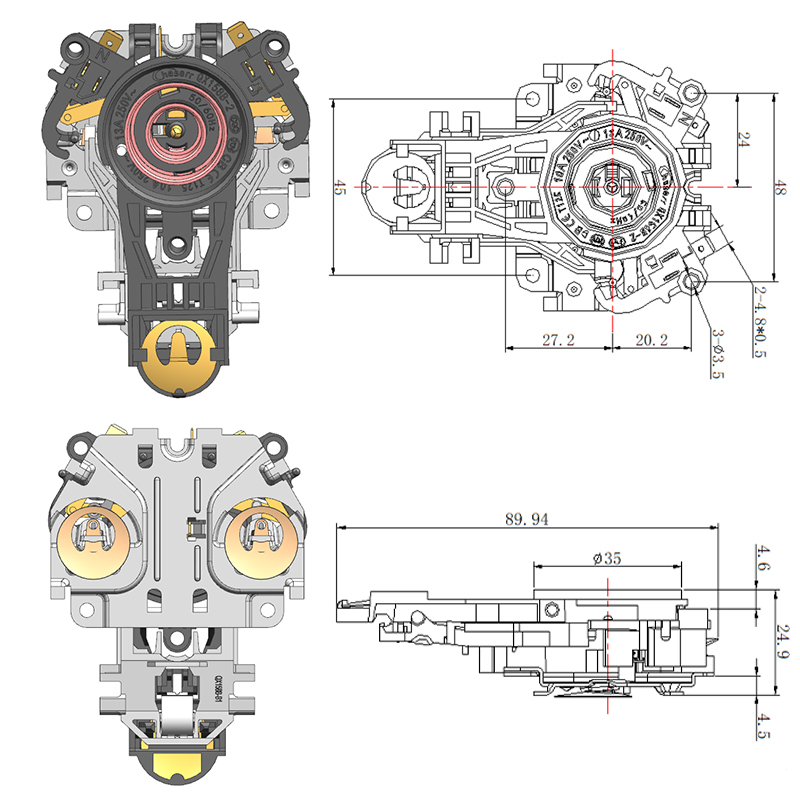
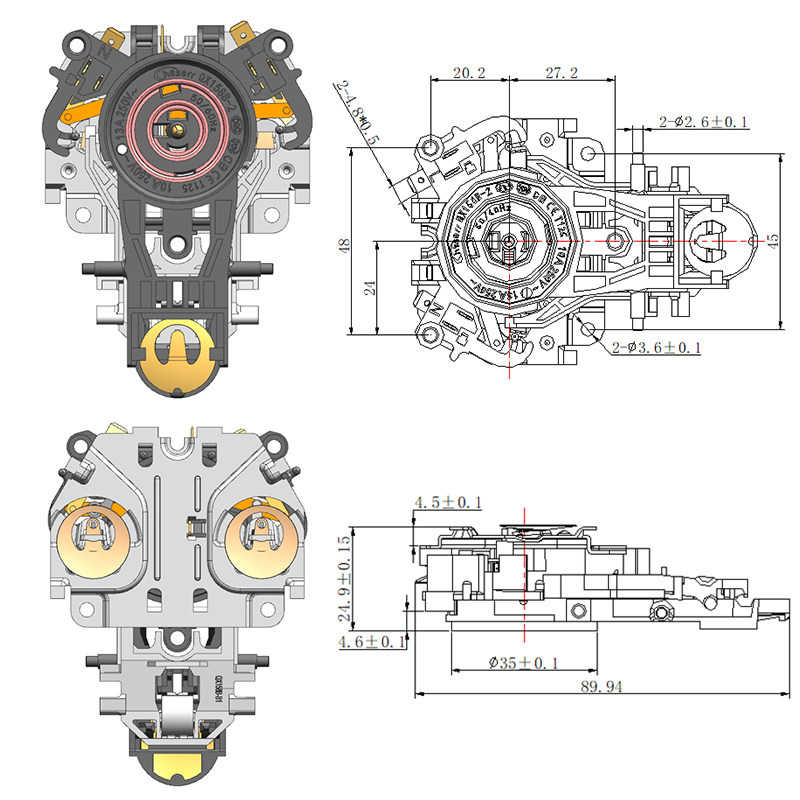
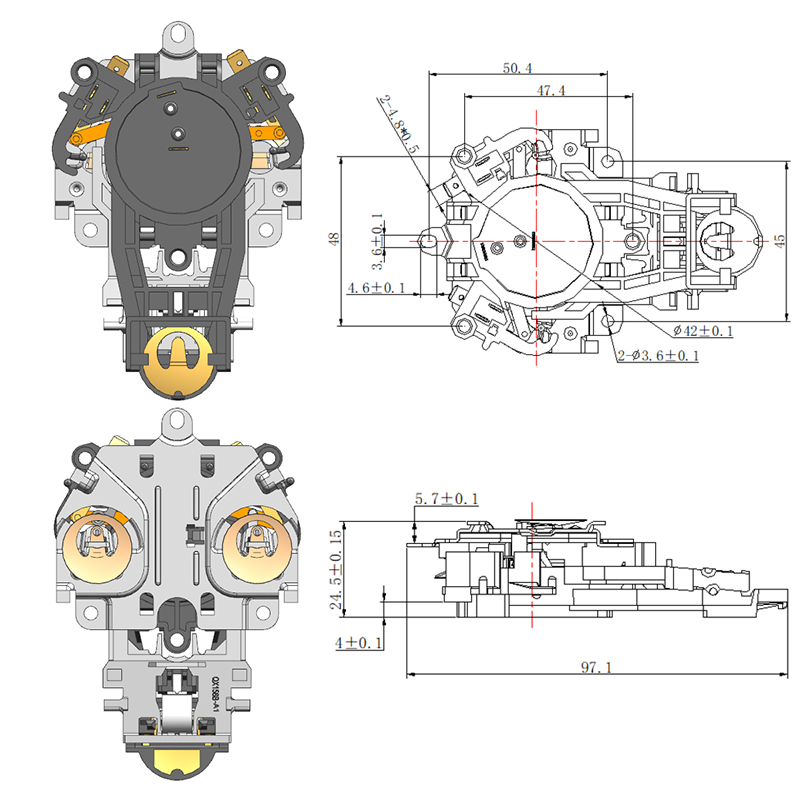
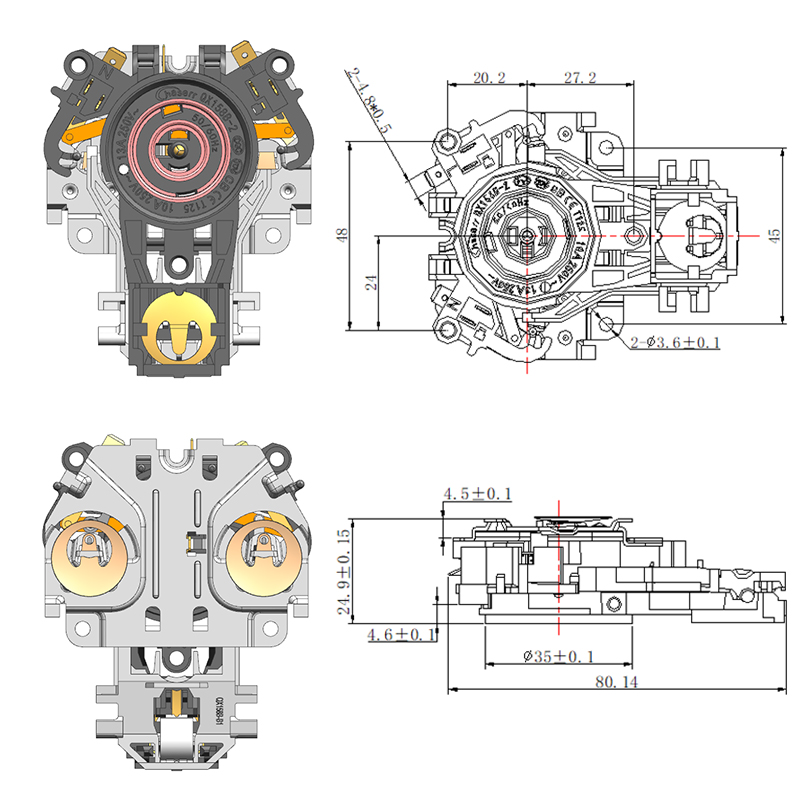

-
No. 2892, Ningkang East Road, Tiancheng Industrial Zone, Yueqing City, Zhejiang Province
-
 Email: Una@chaserr.cc
 -
 Phone: +86-13075775533
- GET IN TOUCH

Electric Kettle Thermostat Coupler Manufacturer