English
  中文简体
中文简体  Español
How to Maintain Kettle BaseConnector for Reliability
A kettle that stops heating without warning, or that switches off before the water reaches a boil, often traces back to a component that rarely gets checked early on. The interface between the kettle body and its power base endures a amount of wear that exceeds what many household appliance parts see, because it carries electrical current and experiences mechanical contact each time the kettle is lifted and replaced. A Kettle Base Connector in poor condition ranks among the more frequent reasons electric kettles fail before their expected service life, and knowing how to care for it can add noticeably to how long the appliance remains useful—more than many manufacturers or repair technicians tend to assume.
What Does the Kettle Base Connector Actually Do?
Before getting into maintenance specifics, it's worth understanding what this part is actually responsible for, since its role goes beyond simply joining two pieces of plastic together.
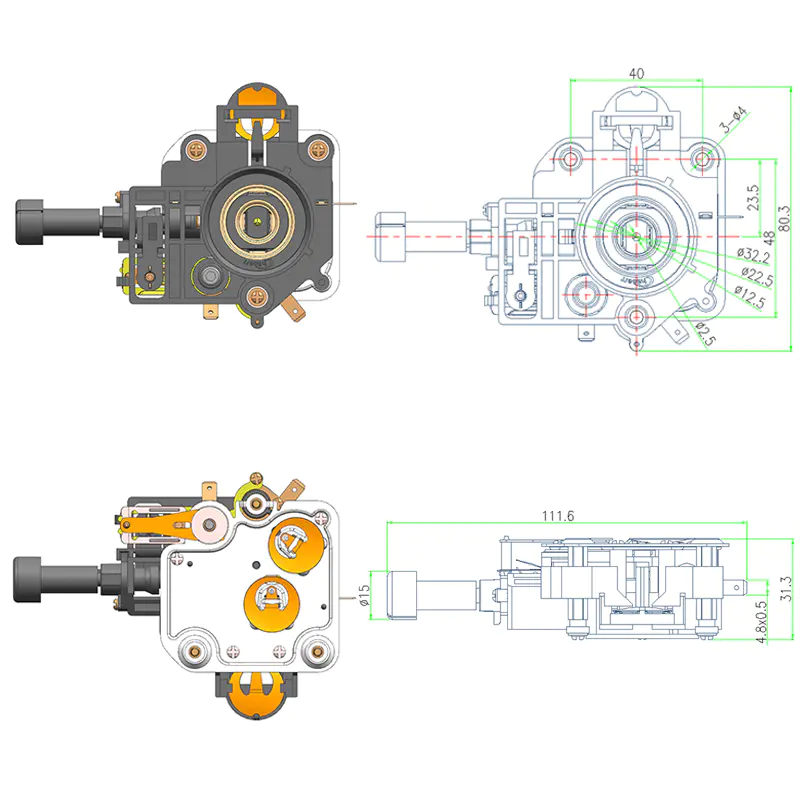
The base connector functions as the physical and electrical bridge between the removable kettle body and the powered base sitting on the counter. Every time current flows from the power source into the heating element, it passes through this exact connection point, which makes contact quality directly responsible for consistent heating performance.
Its core functions include:
- Transmitting electrical current from the base into the kettle's heating element
- Holding a stable physical connection despite repeated lifting and replacing throughout daily use
- Working alongside the thermostat connector to relay the temperature signal that triggers automatic shutoff
- Withstanding repeated exposure to steam, condensation, and ambient kitchen moisture
Because it occupies the point where mechanical wear and electrical conductivity converge, this component degrades at a quicker pace than other parts inside a kettle assembly.
Why Does the Base Connector Wear Out Faster Than Expected?
Certain stresses apply to this connector, yet they do not affect many other electrical components found in common kitchen appliances.
Repeated Mechanical Contact
Each lift and replacement cycle generates friction at the contact points; over many such cycles during a kettle’s service life, that friction gradually wears away the surface finish meant to maintain clean electrical contact from the outset.
Moisture and Steam Exposure
Kettles generate steam directly above the base connector area, and condensation settles onto contact surfaces fairly regularly, creating conditions that encourage oxidation over time if the connector isn't designed or maintained with this exposure in mind from the start.
Heat Cycling Stress
Repeated heating and cooling cycles cause slight expansion and contraction in connector materials, and over time this can loosen fit tolerances that were originally close, making contact pressure less consistent as the unit remains in service.
Mineral Deposit Buildup
Water residue carrying mineral content can find its way onto or near contact surfaces, particularly in households dealing with hard water, contributing to a buildup layer that interferes with clean electrical transmission over time.
How Should You Clean Contact Points Properly?
Cleaning the Base Coupler and its associated contacts is a common maintenance task; done properly, it prevents early-stage contact problems from turning into failures.
Step 1: Disconnect Power Before Any Cleaning
Always unplug the base unit completely before attempting any cleaning, since working on a live electrical connection point introduces a safety risk that's entirely avoidable.
Step 2: Inspect Contact Surfaces Visually
Look for discoloration, dark spotting, or visible residue on the metal contact points, since these are early indicators of oxidation or mineral buildup well before they progress into functional problems.
Step 3: Use a Dry or Slightly Damp Cloth Only
Wipe contact surfaces with a dry cloth, or one very lightly dampened if needed, steering clear of excess moisture that could seep into the connector housing and create a new corrosion risk rather than solving the one already there.
Step 4: Address Stubborn Residue Carefully
For buildup that won't lift with simple wiping, a small amount of isopropyl alcohol on a cloth can help dissolve mineral deposits without leaving behind moisture that promotes further oxidation afterward.
Step 5: Allow Complete Drying Before Reassembly
Before reconnecting the kettle to its base, ensure all contact surfaces are dry; any moisture remaining in the connection area cancels out the cleaning done.
How Can You Prevent Corrosion From Developing in the First Place?
Prevention works considerably better than trying to address corrosion once it's already taken hold, and a few consistent habits make a real difference over the kettle's lifespan.
- Drying the kettle base thoroughly after any spill or steam exposure, rather than letting moisture sit on contact surfaces
- Storing the kettle somewhere with reasonable airflow rather than tucked into an enclosed, humid cabinet
- Avoiding excessive force when placing the kettle onto its base, since forceful contact wears down the connector's surface finish faster over repeated cycles
- Checking contact points periodically even when the kettle seems to be working fine, since early-stage oxidation isn't always obvious until it starts affecting performance
How Does the Connector Interact With the Thermostat System?
The base connector doesn't work in isolation. It operates directly alongside the thermostat connector to manage automatic shutoff, and understanding that relationship explains why connector problems sometimes show up looking like temperature control issues rather than obvious power failures.
Coupler Function in Temperature Regulation
The coupler relays the electrical signal that the bimetal thermostat generates once the water hits its target temperature, which trips the circuit and stops heating. If contact quality at the connector has degraded, that signal transmission can become unreliable.
Why Connector Issues Sometimes Look Like Thermostat Failures
A kettle that fails to shut off properly, or shuts off too soon, often gets blamed on a faulty thermostat when the actual root cause is a degraded connection point preventing the thermostat's signal from getting through cleanly.
Coupler Working Conditions That Affect Reliability
Consistent contact pressure and clean conductive surfaces are both necessary for the coupler to relay thermostat signals accurately, which is exactly why maintaining the connector supports the reliability of the whole temperature control system, not just basic power transmission.
What Are the Warning Signs That a Connector Needs Attention?
Catching early warning signs allows for intervention before a full failure happens, which tends to be far less disruptive and less costly than dealing with a kettle that has simply stopped working.
| Warning Sign | Likely Cause | Recommended Action |
|---|---|---|
| Intermittent heating | Inconsistent contact pressure | Inspect and clean contact surfaces. |
| Visible discoloration on contacts | Early-stage oxidation | Clean promptly before corrosion deepens. |
| Kettle fails to shut off automatically | Connector affecting thermostat signal relay | Test connector function alongside the thermostat. |
| Unusual resistance when seating the kettle on the base | Physical wear or misalignment | Inspect for mechanical damage. |
| Reduced heating speed over time | Increased electrical resistance at contact points | Clean the contacts and check for buildup. |
Catching these signals early generally heads off the more disruptive failure modes that tend to show up once a connector has degraded significantly.
How Should You Test a Kettle Base Connector for Proper Function?
Coupler testing doesn't call for complex equipment, but it does need a methodical approach to confirm whether a connection problem actually originates at the connector itself rather than somewhere else.
Step 1: Perform a Visual Inspection First
Before any electrical testing, check for obvious physical damage, discoloration, or buildup, since visible issues often explain the problem without needing further diagnostic steps at all.
Step 2: Test for Continuity
Using a multimeter to check continuity through the connector helps confirm whether current is passing through reliably, or whether resistance has climbed past acceptable levels.
Step 3: Check for Consistent Contact Pressure
Gently test how securely the kettle seats onto the base, since loose or inconsistent contact pressure usually points to wear in the connector's mechanical fit rather than a purely electrical problem.
Step 4: Compare Performance Against a Known Working Unit
Where possible, comparing the suspect connector's performance against a unit known to be working correctly helps isolate whether the problem sits with that specific connector or relates to a different component entirely.
Step 5: Document Findings for Repeat Issues
For repair technicians and quality inspectors handling multiple units, keeping a simple record of common failure patterns across different connector batches can reveal whether a particular supplier or production batch is running into higher failure rates than expected.
When Should a Connector Be Replaced Rather Than Maintained?
Maintenance stretches a connector's life considerably, but it doesn't make the part last forever, and knowing when replacement makes more sense than continued upkeep avoids wasting effort on a part that's genuinely reached the end of its usable life.
- When contact surfaces show pitting or deep corrosion that cleaning can't fully resolve
- When the mechanical fit has loosened to the point where contact pressure stays inconsistent even after cleaning and adjustment
- When continuity testing reveals resistance levels pointing to internal degradation rather than surface-level contamination
- When a kettle keeps showing heating or shutoff problems even after thorough cleaning and testing has ruled out other causes
For manufacturers and repair operations handling volume, having a clear threshold for replacement versus maintenance helps standardize decision-making across different technicians and cuts down on inconsistent judgment calls on borderline cases.
What Does This Mean for Manufacturers and OEM Buyers?
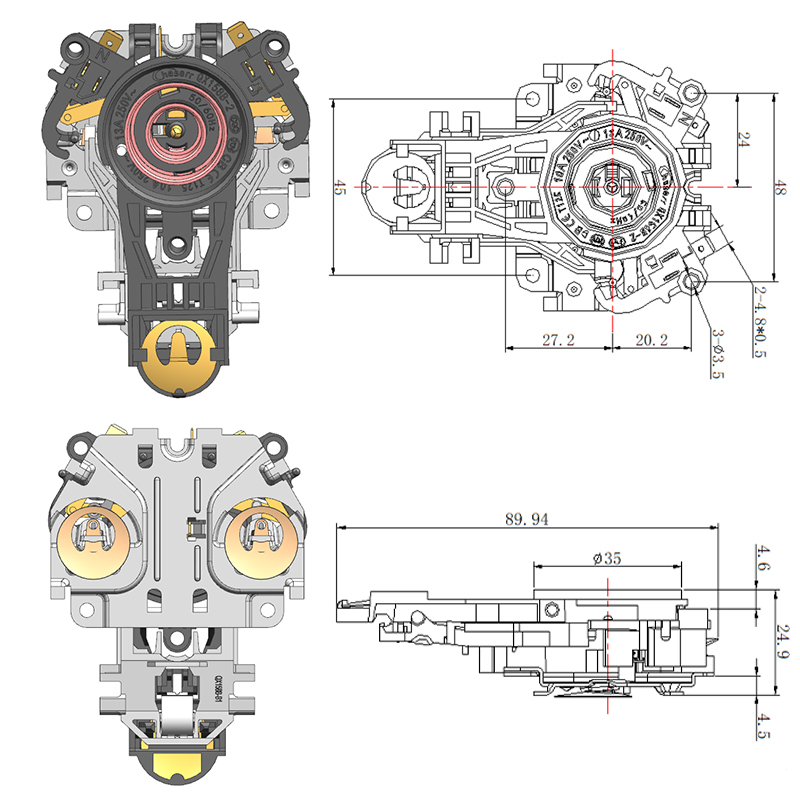
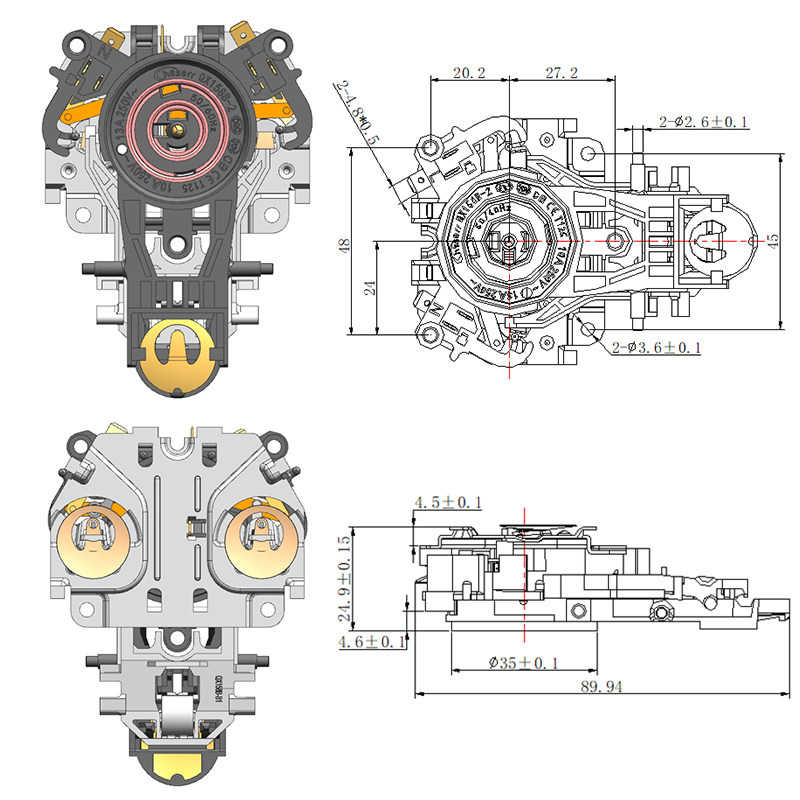
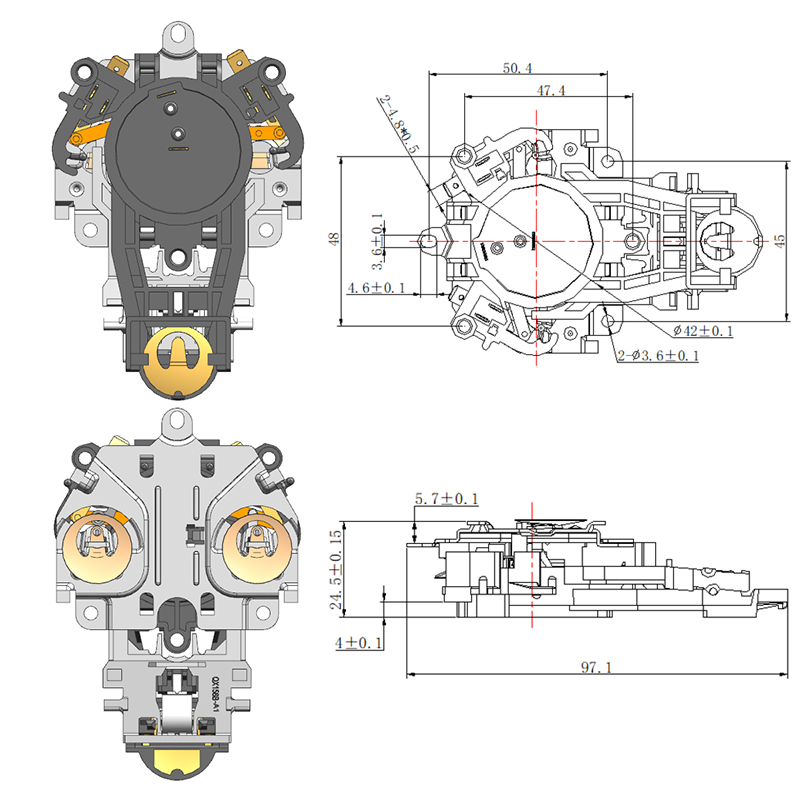
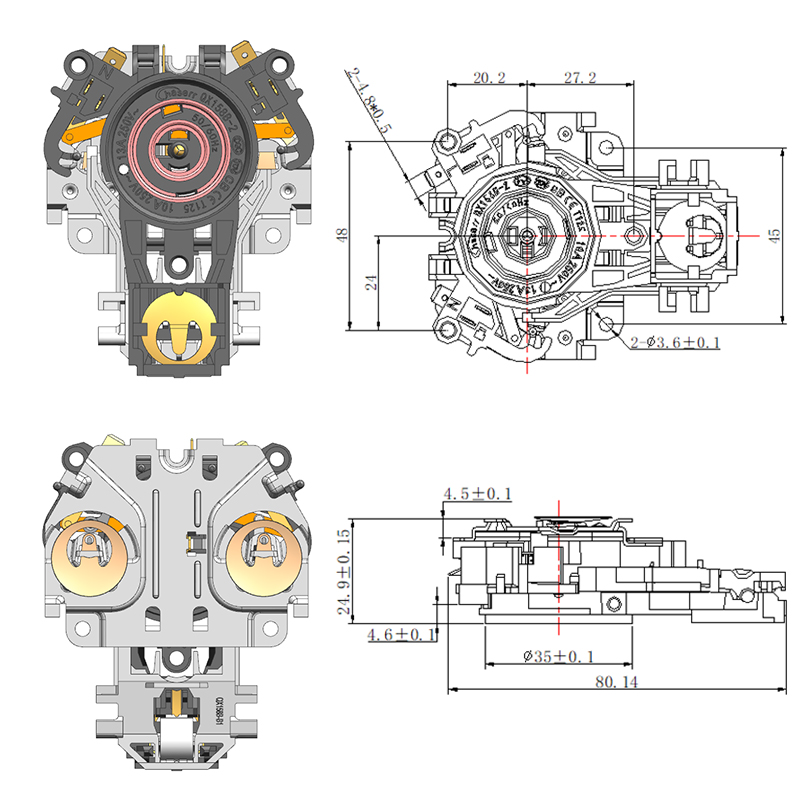
For appliance manufacturers and component buyers sourcing Electric Kettle Base Coupler units at scale, these maintenance and failure patterns carry direct implications for product design and quality control decisions further upstream.
- Connector materials and surface treatments that resist oxidation cut down on field failures and warranty claims over a product's service life
- Consistent manufacturing tolerances in the mechanical fit between kettle body and base reduce the variability that causes premature wear in some units but not others
- Clear documentation handed to end users about basic maintenance practices can meaningfully extend average product lifespan across an entire customer base
- Working with suppliers who genuinely understand both the electrical and mechanical demands placed on this component leads to more reliable performance across production runs over time
Building Long-Term Reliability Into Every Kettle Connection
Maintaining a Kettle Base Connector properly really comes down to a handful of consistent habits: keeping contact points clean and dry, watching for early signs of oxidation or wear, and understanding how this small component supports the entire temperature control system rather than treating it as just a simple mechanical attachment point. Most premature kettle failures that get blamed on thermostat problems or general appliance wear actually trace back to a connector that never received the basic attention it needed throughout its service life. For technicians, quality inspectors, and manufacturers working with these components on a regular basis, building a consistent maintenance and testing routine cuts down both on field failures and the diagnostic guesswork that comes with intermittent heating or shutoff complaints. Wenzhou Qianxun Electrical Technology Co., Ltd. supplies Kettle Base Connectors, thermostat couplers, and related components engineered for consistent contact performance and long-term reliability across high-volume production environments. If your team is sourcing connector components for new kettle designs or working through recurring field reliability issues, sharing your specific application details is a practical way to find the right component match.
Featured Products


-
No. 2892, Ningkang East Road, Tiancheng Industrial Zone, Yueqing City, Zhejiang Province
-
 Email: Una@chaserr.cc
 -
 Phone: +86-13075775533
- GET IN TOUCH

Electric Kettle Thermostat Coupler Manufacturer