English
 中文简体
 Español

How to Choose the Right Electric Kettle Thermostat Coupler
In an electric kettle, the thermostat coupler links the temperature-control assembly to the related heating-circuit parts so that switching and power connection follow the appliance design. It is a small interface piece, but it sits on the path between control and load.
Compatibility with the thermostat body, the base or element side connections and the internal layout determines whether assembly is straightforward. An Electric Kettle Thermostat Coupler is therefore specified as part of the heating system, not as a generic spare.
Matching the Connector to the Kettle Layout
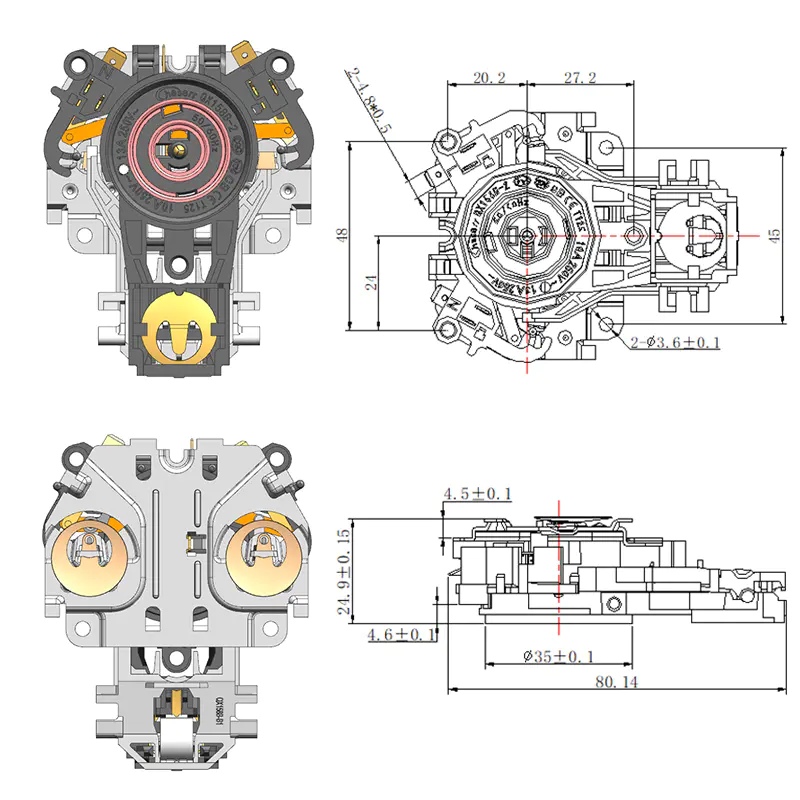
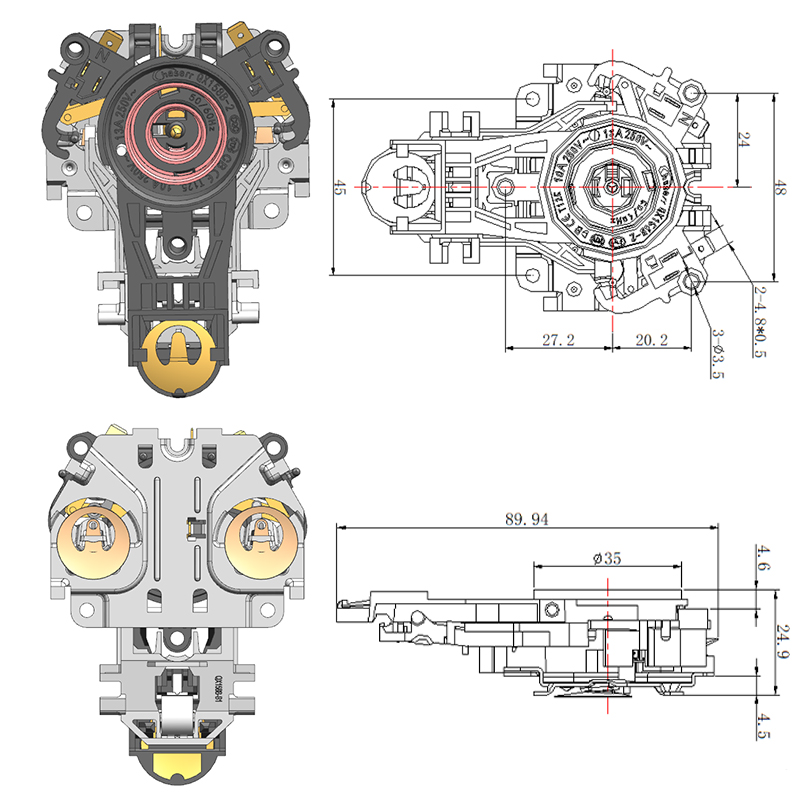
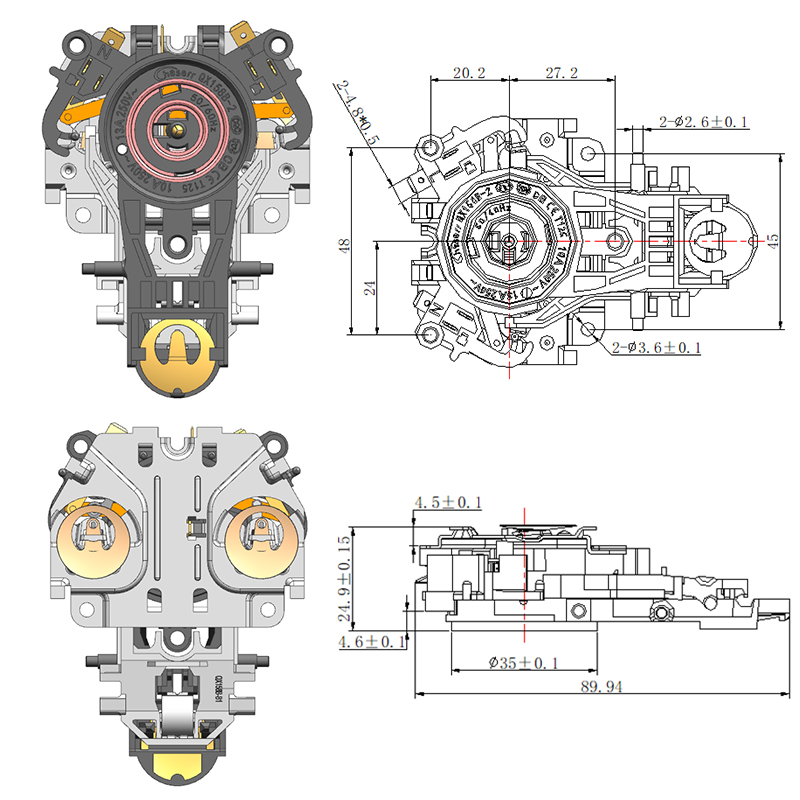
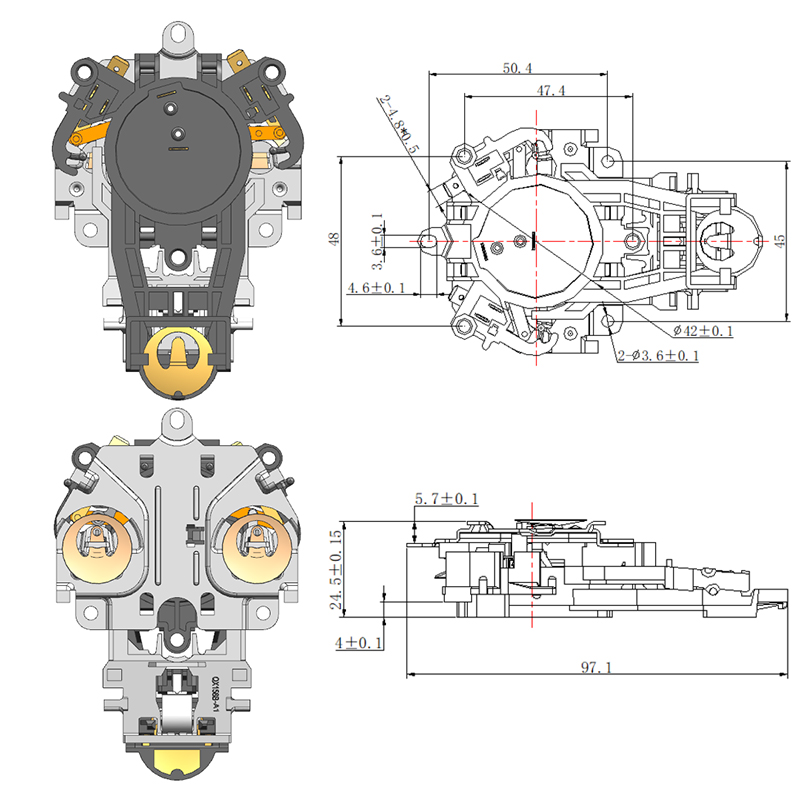
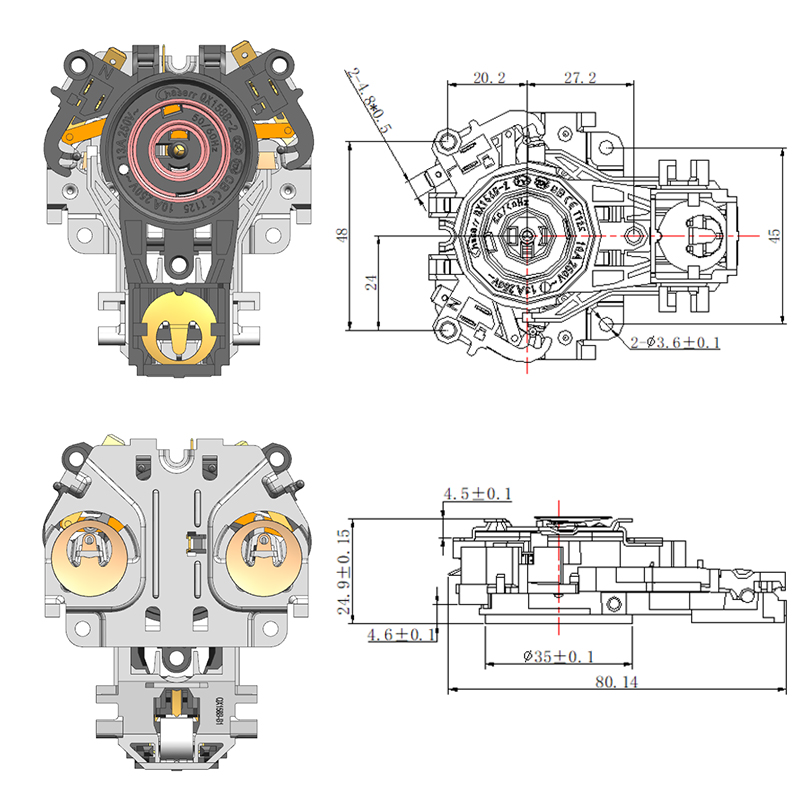
Kettle platforms differ in how the control sits relative to the element and the cordless base. Terminal count, pitch, orientation and locking features vary. The coupler interface must mate with the thermostat and with the wiring or mating part defined by the design.
Connection position, terminal arrangement, insertion direction and overall envelope all need to clear neighbouring parts. A mismatch forces bending of leads, partial engagement or rework on the line. Selecting a coupler built for the intended configuration avoids those assembly faults.
Structure and How It Is Fitted
Shape and terminal layout decide how easily the operator or fixture can place the part. Orientation that matches the natural assembly direction reduces cross-threading of contacts and incomplete seating. A structure that nests against the thermostat body without interference supports repeatable builds.
Practical construction—clear polarisation, accessible engagement and stable retention—lowers the chance of latent connection issues after the kettle leaves the line.
Electrical Contact Requirements
Stable contact under the kettle's rated conditions is a core selection point. Contact surfaces, spring behaviour and terminal fit must suit the current path and the mating halves. Loose or high-resistance joints create heat at the interface; over-tight or poorly aligned parts damage terminals during assembly.
Connector choice should follow the electrical specification of the kettle design, including how the Electric Kettle Thermostat and related links are arranged. The coupler is there to complete that arrangement reliably.
Working with the Heating and Control System
The coupler does not act alone. It is one link among thermostat, element, dry-boil protection where used and base connection. Changing only the coupler without checking the mating thermostat and harness invites mismatch.
Integration means confirming that the full control and heating chain uses parts intended to work together. Evaluating the coupler inside that chain is more useful than judging it in isolation.
Heat, Insulation and the Local Environment
The area around the heating element and thermostat sees elevated temperature and repeated heat-up cycles. Insulation materials, contact metals and body plastics must be suitable for that environment as defined by the appliance specification.
A coupler chosen only for room-temperature bench fit may drift or degrade when the kettle runs through normal use cycles. Thermal compatibility with neighbouring parts belongs on the checklist beside mechanical fit.
Consistency for Volume Production
Appliance lines need parts that look and measure the same from batch to batch. Terminal position, moulding quality and assembly features should stay within the drawing limits so that fixtures and operators do not adjust for every carton.
Incoming checks on appearance, dimensions and engagement force support stable integration. Suppliers who hold specifications steady reduce line stoppages and field variation.
Planning Couplers for Ongoing Supply
Purchase decisions rest on compatibility, structure, electrical needs and operating conditions, together with the supplier's ability to repeat the part. Components that drop into existing assembly sequences without special tools or extra training keep cost of use predictable.
An Electric Kettle Thermostat Coupler option for kettle and related heating-appliance makers should be judged on those points. Suitable selection supports fit, assembly ease and coherent heating-system integration. A Kettle Connector style used in one platform should not be assumed to fit another without verification.
Water Heater Coupler and Heater Coupler terminology sometimes appears in broader appliance sourcing; the same logic applies—match interface, environment and electrical duty before committing volume.
Selection Factor and Check Point
| Selection Factor | What to Verify | Why It Matters |
|---|---|---|
| Interface Geometry | Terminal layout, orientation, locking | Ensures full engagement with thermostat and harness |
| Envelope and Clearance | Body size versus nearby parts | Avoids forced assembly and abraded leads |
| Electrical Duty | Contact design versus circuit requirements | Limits heat at joints and intermittent contact |
| Thermal Environment | Materials rated for local heat | Maintains insulation and contact over cycles |
| Assembly Method | Insertion direction and retention | Supports consistent line build |
| Supply Consistency | Dimensional and functional batch stability | Reduces line adjustment and mixed performance |
Coupler Choice as Part of the Heating System Design
The right electric kettle thermostat coupler matches the thermostat, the wiring layout, the thermal surroundings and the way the factory builds the appliance. Wenzhou Qianxun Electrical Technology Co., Ltd. supplies thermostat couplers and related connection components for electric kettle and heating appliance production. Review of kettle platform drawings, electrical requirements and assembly process against coupler specifications supports selection of parts suited to stable heating-system integration.
Featured Products


-
No. 2892, Ningkang East Road, Tiancheng Industrial Zone, Yueqing City, Zhejiang Province
-
 Email: Una@chaserr.cc
-
 Phone: +86-13075775533
- GET IN TOUCH

Electric Kettle Thermostat Coupler Manufacturer