English
 中文简体
 Español

When Should an Electric Kettle Temperature Control Switch Be Replaced
Why Switch Condition Matters in Everyday Kettle Use
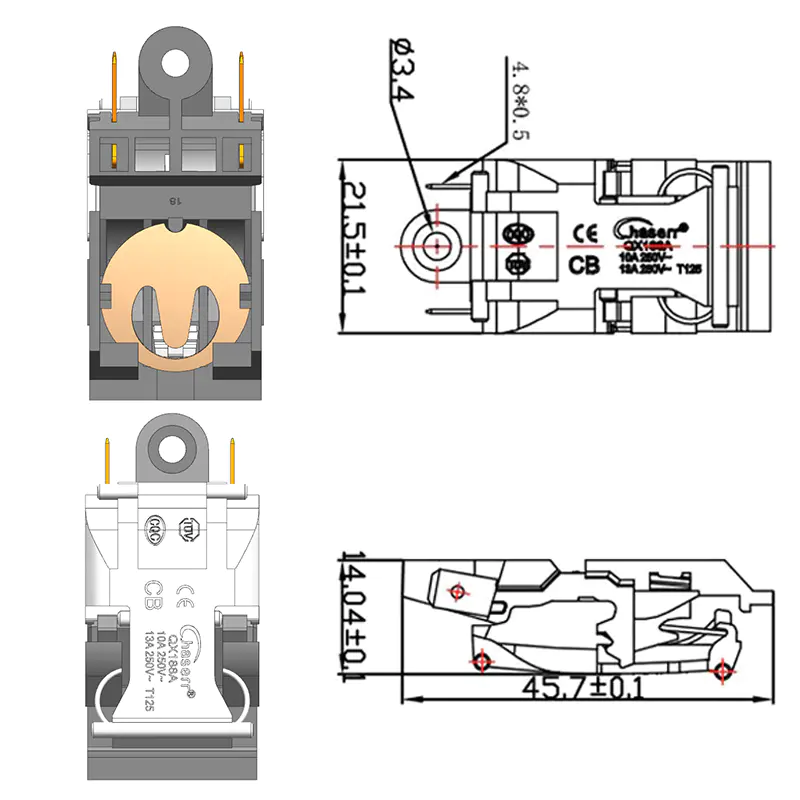
The temperature control switch manages when the heating element receives power and when that path opens so boiling does not continue unchecked. Each boil cycle moves internal mechanical parts and loads the electrical contacts, so the switch accumulates wear over the life of the appliance. Wear or damage can dull temperature response, delay shut-off or interrupt heating at the wrong time.
Normal kettle operation depends on that sequence staying predictable. When the original switch no longer performs, a Kettle Temperature Control Switch selected for the same role can restore sensing and switching functions, provided the rest of the kettle remains sound and installation follows the appliance design.
Signs That Replacement May Be Needed
A kettle that keeps heating hard after a full boil may point to a control path that is not opening when it should. The opposite problem—shut-off well before boiling—can also relate to the temperature mechanism, though scale, sensor path blockage or other faults may produce the same symptom. Inconsistent behaviour across successive boils, such as sometimes tripping early and sometimes late, suggests unstable response inside the control chain.
Failure to start heating, or a switch action that feels incomplete when the appliance is operated, also deserves attention. These symptoms should be investigated rather than blamed on the switch by default: element failure, damaged wiring, base contact problems and thermostat variants elsewhere in the product can mimic switch faults. Systematic checking avoids replacing the wrong part.
Common Reasons Temperature Control Switches Fail
Repeated heating and cooling cycles fatigue springs, levers and sensing arrangements. Electrical contacts can pit, oxidise or wear until they no longer make a solid circuit or no longer open cleanly. Contamination from dust, mineral residue or moisture intrusion can slow or jam mechanical motion. Improper earlier installation—misaligned actuators, pinched leads, wrong orientation—adds stress that shortens service life.
Mechanical fatigue shows up as sluggish trip, partial movement or loss of reset reliability. Choosing a suitable replacement addresses component-level problems only when the root cause is inside the switch and when the new unit matches the thermal and electrical duties of the kettle. Ignoring underlying issues such as steam path blockage may cause a new switch to fail in the same way.
How to Decide Whether the Switch Itself Should Be Replaced
Power must be disconnected before any inspection of the base or switch area. Visible clues include burnt or discoloured contacts, deformed plastic or metal parts, cracked housings and damaged terminations. The switching mechanism can be checked, where accessible and safe, for free movement versus sticking or broken return action.
Professional inspection helps separate switch failure from element open circuits, loose supply connections or faults in cordless base contacts. Continuing to use a kettle that boils dry, will not switch off or behaves unpredictably is poor practice; replacement of a confirmed faulty switch—or of the appliance if repair is not appropriate—is the safer path. A Kettle Temperature Control Switch is a service part, not a workaround for ignored safety symptoms.
What to Consider When Selecting a Replacement Switch
The replacement must match the kettle's mechanical layout: mounting points, actuator reach, steam or heat path alignment and overall envelope in the base. Electrical compatibility includes current duty of the element, terminal style and insulation arrangements. Temperature response and automatic shut-off behaviour should align with how the original appliance was intended to operate.
Contact quality, mechanical construction and materials affect how well the part tolerates repeated cycles after repair. Selecting a Kettle Temperature Control Switch designed for electric kettle applications reduces the risk of forcing an unrelated thermal switch into a role it cannot sustain. Water Kettle Temperature Control after repair is only as good as that match between part and appliance.
Why Reliable Switching Supports Longer Appliance Service
The switch is central to heating management and automatic shut-off. A suitable replacement restores intended behaviour when the original unit has failed and other systems are intact. Consistent switching performance supports everyday use without constant supervision of the boil.
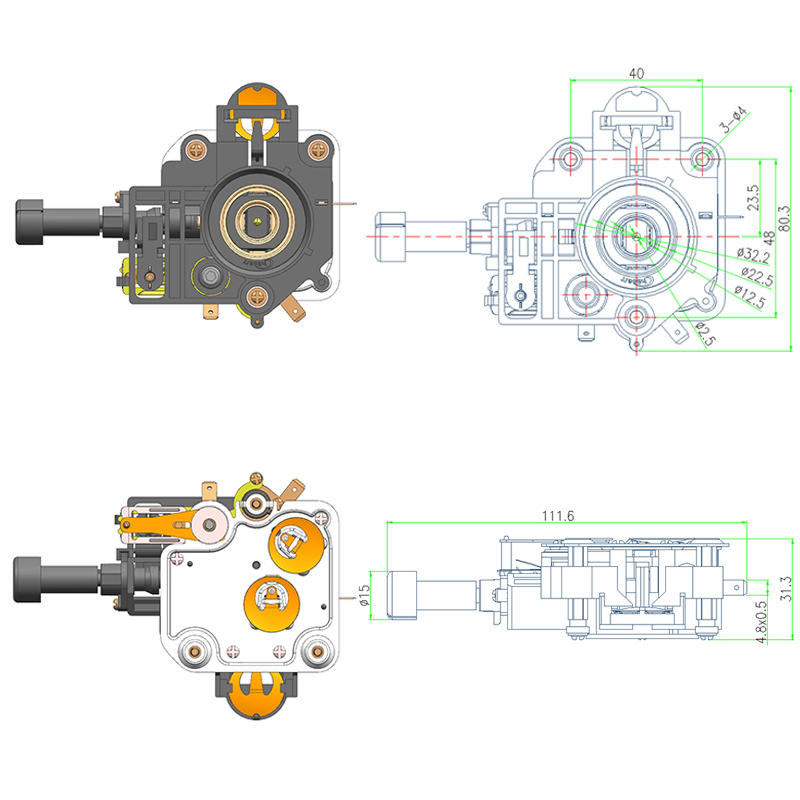
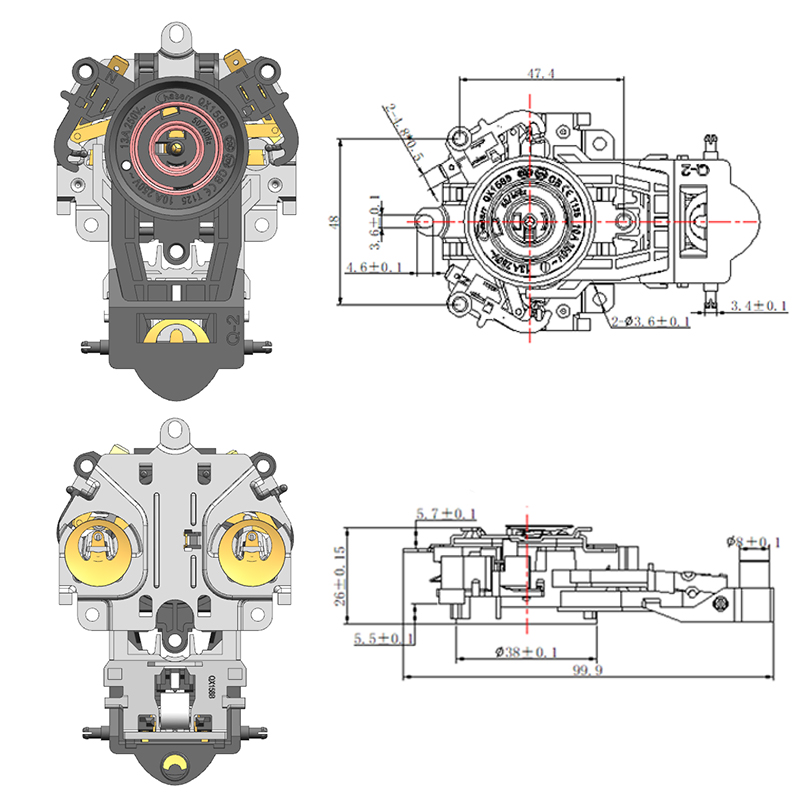
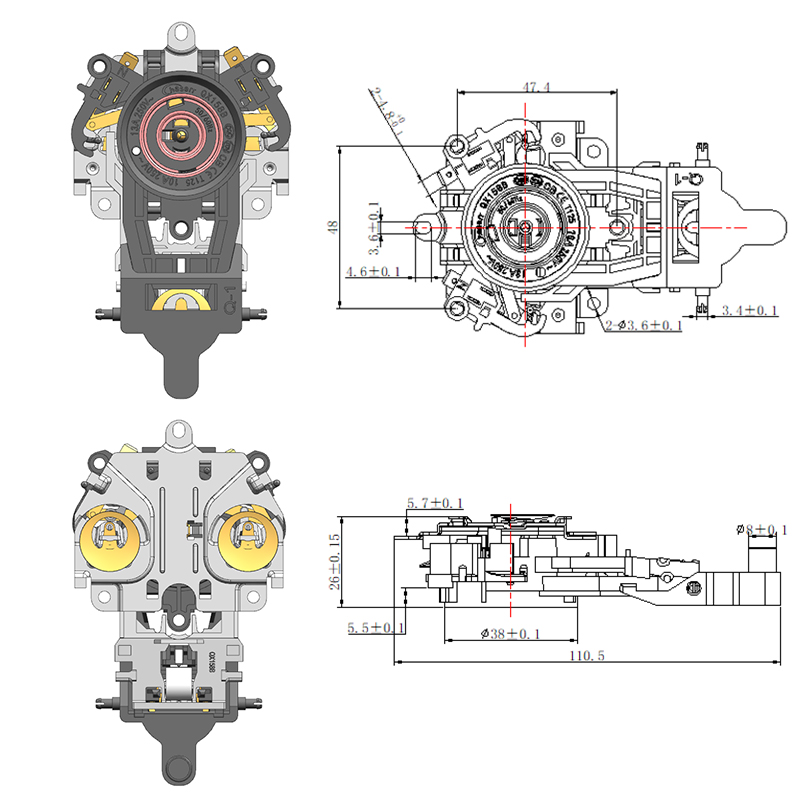
Useful product traits include temperature-responsive control for kettle cycles, automatic switching for heating shut-off, an integrated structure for coordinated internal motion, contact design suited to the heating circuit and application fit for both repair and original equipment. Compatible choice of a Kettle Temperature Control Switch maintains the designed control function and supports dependable operation for the remaining life of the kettle. Temperature Control Switches used in this role should always be treated as safety-relevant parts during sourcing and installation.
Symptoms, Causes and Practical Responses
| Observation | Possible related cause | Sensible response |
|---|---|---|
| Continues heating after boil | Contacts not opening; sensing not tripping | Disconnect power; inspect; replace if confirmed |
| Stops well before boil | Early trip; scale; wrong thermal path | Check scale and alignment; test switch function |
| Behaviour changes each cycle | Wear; contamination; intermittent contact | Inspect mechanism and contacts |
| No heat or no switch action | Open circuit; broken mechanism; supply fault | Verify power path and switch continuity safely |
| Visible burn or deformation | Overload; arcing; heat damage | Do not reuse; replace with compatible part |
| After any repair | Fit and safety of reassembly | Correct orientation; secure terminations; function test |
Safety and Compatibility Before Returning the Kettle to Use
After replacement, a supervised function test with adequate water confirms shut-off behaviour before routine use resumes. Incorrect wiring or a switch that does not see the intended thermal signal can recreate the original hazard. When the kettle design does not support safe repair, appliance replacement is preferable to improvised control methods.
Recognising Failure, Matching Parts and Restoring Control
An electric kettle temperature control switch should be replaced when persistent symptoms, inspection findings and compatible part availability point to switch failure rather than to other kettle faults. Wenzhou Qianxun Electrical Technology Co., Ltd. produces kettle temperature control switches for appliance manufacturing and service needs. Review of kettle design, electrical duty and observed symptoms against replacement switch specifications supports safe restoration of automatic heating control.
Featured Products


-
No. 2892, Ningkang East Road, Tiancheng Industrial Zone, Yueqing City, Zhejiang Province
-
 Email: Una@chaserr.cc
-
 Phone: +86-13075775533
- GET IN TOUCH

Electric Kettle Thermostat Coupler Manufacturer