English
  中文简体
中文简体  Español
How to Choose a Thermostat Coupler for Frequent Use
A kettle that starts cutting out mid-boil after only a few months of daily office use. A connector that feels fine during testing but fails once it's actually cycling dozens of times a day on a production floor. If you're specifying components for an appliance that gets used constantly rather than occasionally, choosing the right Thermostat Coupler isn't a detail you can guess your way through, it directly determines whether the product holds up or turns into a warranty problem.
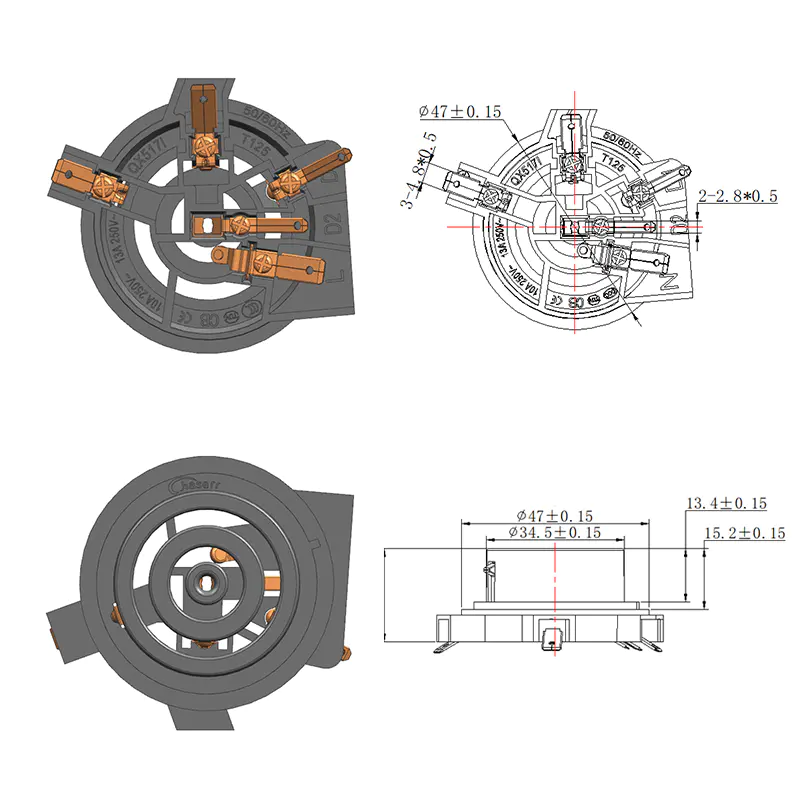
Component selection for small appliances often gets treated as an afterthought, something engineers finalize after the bigger design decisions are locked in. But a coupler that works fine in a home kitchen boiling water twice a day can fail rapidly in a commercial setting where the same appliance cycles on and off dozens of times daily. That gap between assumed and actual usage frequency is where a lot of premature failures originate.
What Does a Thermostat Coupler Actually Do?
At the center of its function, this component links the thermostat mechanism with the electrical circuit that controls the heating elements, making it a common part of appliances such as electric kettles. It acts as the physical bridge that opens and closes the circuit based on temperature readings, allowing the appliance to heat, then cut off power once the target temperature is reached.
Every time that circuit opens or closes, the coupler experiences a small amount of mechanical and electrical stress. Do that occasionally during regular use, and wear develops at a gradual pace. Repeat the same action frequently in a busy environment, and the wear builds up much more quickly than many people expect.
Why Does Usage Frequency Matter So Much?
This is really the central question worth understanding before selecting any component. Usage frequency directly determines how many switching cycles a coupler experiences over its operational lifetime, and switching cycles are typically the primary factor limiting how long a coupler lasts before contact degradation or mechanical fatigue causes failure.
A coupler rated for moderate residential use might handle years of typical household kettle boiling without issue. Place that same component in a busy office pantry, a hotel breakfast station, or a commercial kitchen cycling through dozens of boils daily, and its expected lifespan can shrink dramatically, sometimes to a fraction of what residential use would produce.
How Do Low-Frequency and High-Frequency Applications Differ?
Low-frequency applications, think a household kettle used a handful of times per day, put relatively gentle demands on a coupler. The contact points have time to cool between cycles, and the overall mechanical wear accumulates slowly across months and years.
High-frequency applications compress that same wear into a much shorter timeframe. Contact points may not fully cool between cycles, heat buildup accelerates material fatigue, and the sheer number of open-close cycles multiplies whatever wear occurs per cycle into a much larger cumulative total.
What Factors Determine Coupler Durability?
Several elements combine to determine how well a given coupler withstands repeated cycling, and understanding each one helps clarify why specification matters so much for high-frequency applications.
- Contact material quality, since certain alloys resist arcing and pitting better than others under repeated switching
- Rated current capacity relative to actual load, since running a coupler near or above its rated capacity accelerates wear considerably
- Mechanical spring tension and how well it maintains consistent contact pressure over thousands of cycles
- Heat dissipation design, since components that trap heat internally tend to degrade faster under frequent use
- Overall build quality and manufacturing consistency, since variance between individual units can affect real-world lifespan even within the same rated specification
None of these factors operates in isolation. A coupler with strong contact material but poor heat dissipation might still underperform in a high-frequency setting, since heat buildup accelerates the very contact degradation that better material was meant to resist.
Standard Versus Heavy-Duty Options: What Actually Changes?
| Factor | Standard Duty Coupler | Heavy Duty Coupler |
|---|---|---|
| Typical cycle life | Suited to moderate daily use | Built for high-frequency, repeated cycling |
| Contact material | Adequate for lighter load conditions | Higher-grade alloys resisting arcing and pitting |
| Heat tolerance | Sufficient for intermittent operation | Designed to dissipate heat during frequent cycling |
| Best suited setting | Residential or light office use | Commercial kitchens, hospitality, high-traffic settings |
| Failure risk under heavy use | Increases noticeably with frequent cycling | Remains stable across sustained heavy use |
Reviewing this comparison makes clear why matching coupler grade to actual usage pattern matters more than simply picking whichever option costs less upfront, particularly for appliances destined for commercial or high-frequency environments.
How Should You Judge Rated Lifespan Claims?
Manufacturers typically publish a rated cycle life for their couplers, representing the expected number of switching operations before performance degrades meaningfully. This number matters, but it needs context to be genuinely useful.
A few questions help translate a rated lifespan figure into something practically meaningful for a specific application:
- What testing conditions produced that rated figure, and do they resemble the actual operating environment
- Does the rating account for the specific current load the appliance will actually draw
- Is the figure based on continuous testing, or does it reflect intermittent cycling closer to real-world use patterns
- Has the manufacturer provided any data on performance consistency across multiple production batches
Without this context, a rated lifespan number can be technically accurate but practically misleading if the testing conditions don't match how the appliance actually gets used.
Why Does Contact Material Matter This Much?
Each time a coupler's contacts open and close while carrying an electrical load, a small arc forms, gradually wearing the contact surface. As this process continues over repeated operation, the wear can increase electrical resistance, cause heat to build up, and eventually result in contact failure.
Higher-quality contact materials resist this degradation considerably better, maintaining stable performance across a larger number of cycles before showing meaningful wear. For low-frequency household applications, this difference might not become apparent for years. For household applications with relatively infrequent use, this difference may remain unnoticed for a long time. In commercial settings where operation is more frequent, the choice of contact material can have a clear impact on whether a component continues to function throughout its expected service period or stops working earlier than anticipated.
Current Load and Its Relationship to Lifespan
Operating a coupler continuously near its rated current places more stress on the contacts, causing wear to develop more quickly than when the device is used with a lower electrical load. This matters particularly for appliances where heating elements draw substantial current, since the coupler experiences proportionally more stress with each cycle under higher load conditions.
Selecting a component with some margin above the actual expected load, rather than one rated exactly at the anticipated current draw, tends to extend practical service life meaningfully, particularly in high-frequency applications where that margin gets tested repeatedly over a shorter timeframe.
Household Versus Commercial Applications: A Practical Distinction
Residential kettle use typically involves a handful of boiling cycles daily, spread across a household's normal routine. Commercial settings, hotel breakfast areas, office pantries, catering operations, compress far more cycles into the same timeframe, sometimes running continuously through peak service hours.
This distinction should directly inform coupler selection during product development. An appliance designed exclusively for household use can reasonably specify a standard duty component, while any product intended for commercial deployment, or even one likely to see heavier-than-average household use, benefits from a heavy duty specification built to handle that accelerated cycling without premature failure.
How Should Manufacturers Test Coupler Performance Before Committing?
Rather than relying solely on published specifications, thorough evaluation before finalizing a component choice tends to prevent costly surprises after a product launches.
- Conducting accelerated cycle testing that simulates the actual expected usage frequency rather than generic testing conditions
- Monitoring contact resistance changes across the testing cycle to identify gradual degradation patterns
- Testing under realistic current loads matching the actual appliance's electrical demands, rather than idealized laboratory conditions
- Evaluating performance consistency across multiple sample units rather than relying on a single tested component
This kind of thorough validation, while requiring more upfront time, tends to save considerably more in avoided field failures and warranty costs down the line.
Choosing a Reliable Manufacturer for This Component
Beyond the technical specification itself, sourcing decisions matter considerably for anyone purchasing these components at scale. Working with a manufacturer that provides transparent testing data, consistent manufacturing quality across production runs, and responsive technical support tends to reduce the risk of inconsistent performance once components ship in volume.
A few practical considerations worth raising directly with a potential supplier:
- Can they provide cycle testing data specific to the current load and frequency your application actually requires
- What quality control measures ensure consistency across large production batches
- Do they offer customization options if your specific application falls outside standard rated specifications
- What's their track record supporting OEM customers with similar usage frequency requirements
Addressing these questions at an early stage helps reduce the risk of selecting components whose actual performance does not match application requirements, lowering the chance of failures during service.
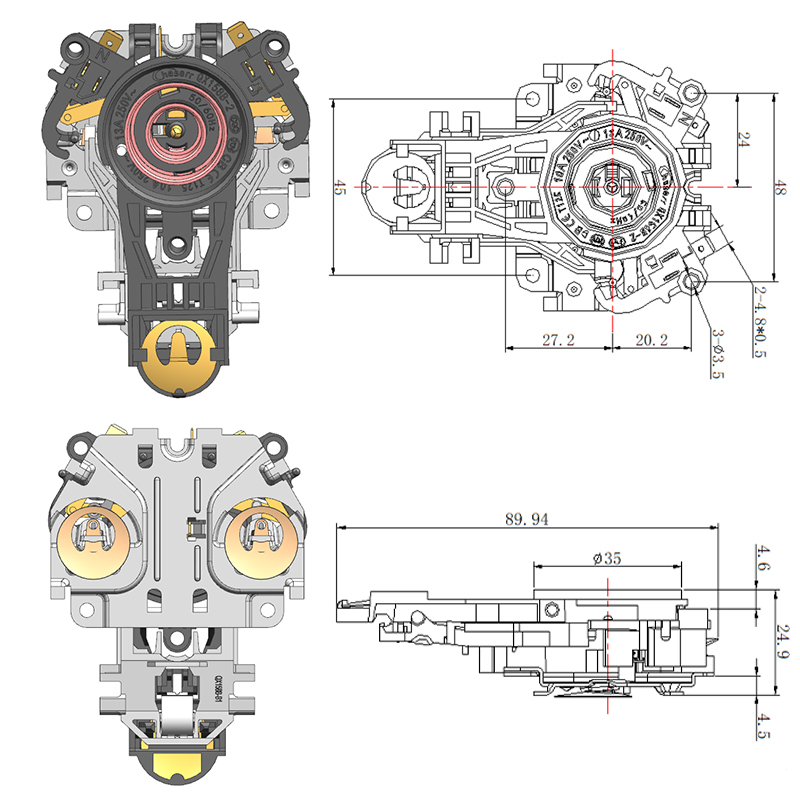
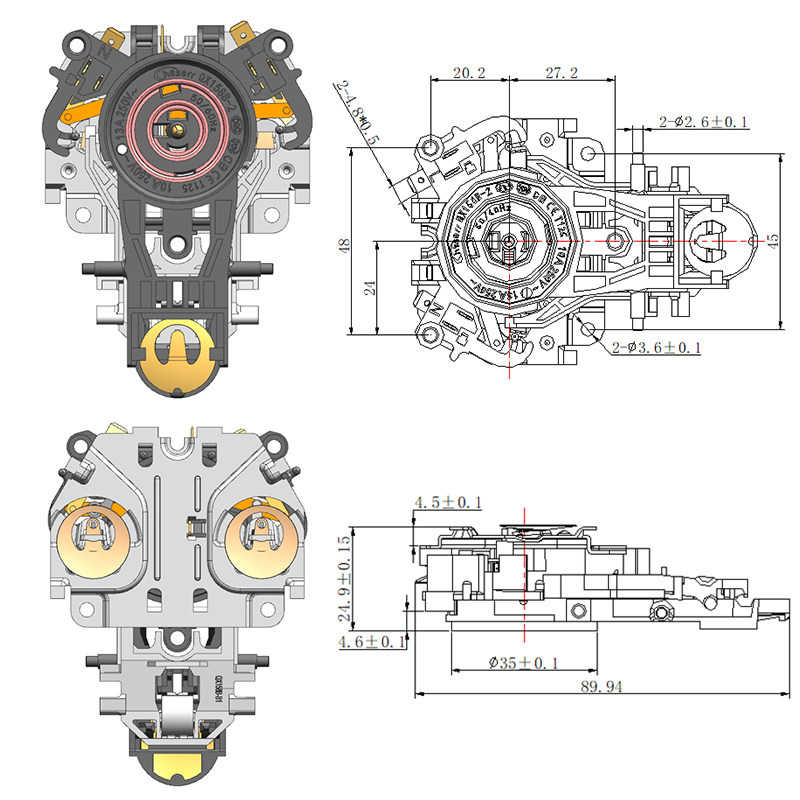
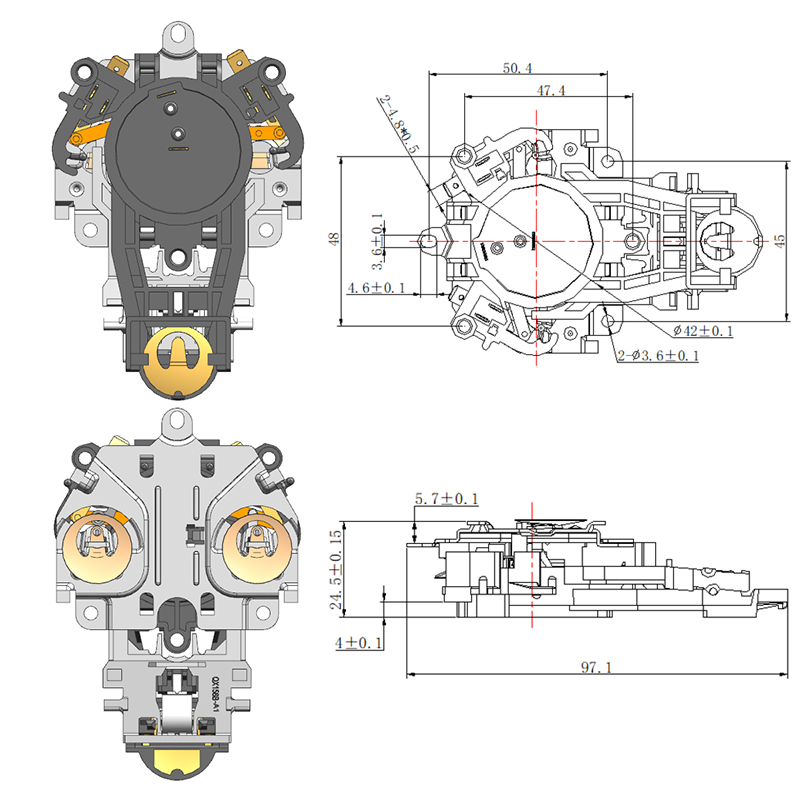
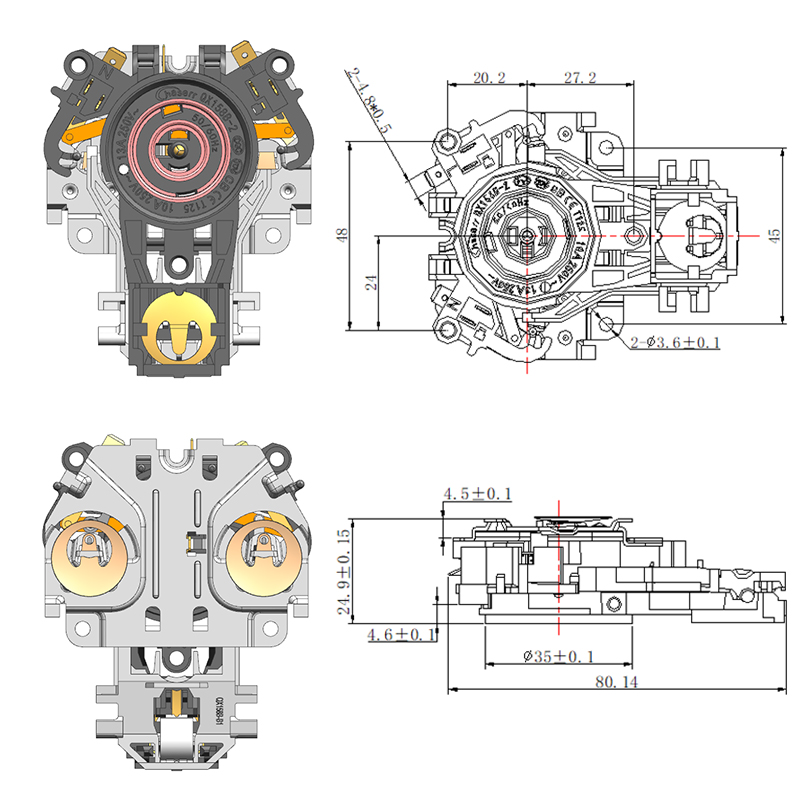
Matching a Thermostat Coupler to actual usage frequency, rather than defaulting to whatever specification seems adequate on paper, makes a meaningful difference in how reliably an appliance performs once it's actually in daily use. Low-frequency household applications can generally rely on standard duty components without issue, but anything destined for commercial, hospitality, or otherwise high-cycling environments genuinely benefits from heavy duty specifications built around contact material quality, heat dissipation, and adequate current margin. Working through rated lifespan claims critically, testing under realistic conditions, and partnering with a manufacturer capable of supporting your specific frequency and load requirements all contribute to a more reliable end product and fewer surprises after launch. Wenzhou Qianxun Electrical Technology Co., Ltd. works with appliance manufacturers and OEM buyers to match component specifications to actual usage patterns, and welcomes inquiries about testing data, customization, and sourcing for specific application requirements.
Featured Products


-
No. 2892, Ningkang East Road, Tiancheng Industrial Zone, Yueqing City, Zhejiang Province
-
 Email: Una@chaserr.cc
 -
 Phone: +86-13075775533
- GET IN TOUCH

Electric Kettle Thermostat Coupler Manufacturer