English
  中文简体
中文简体  Español
How the Electric Kettle Coupler Transfers Power and Signals
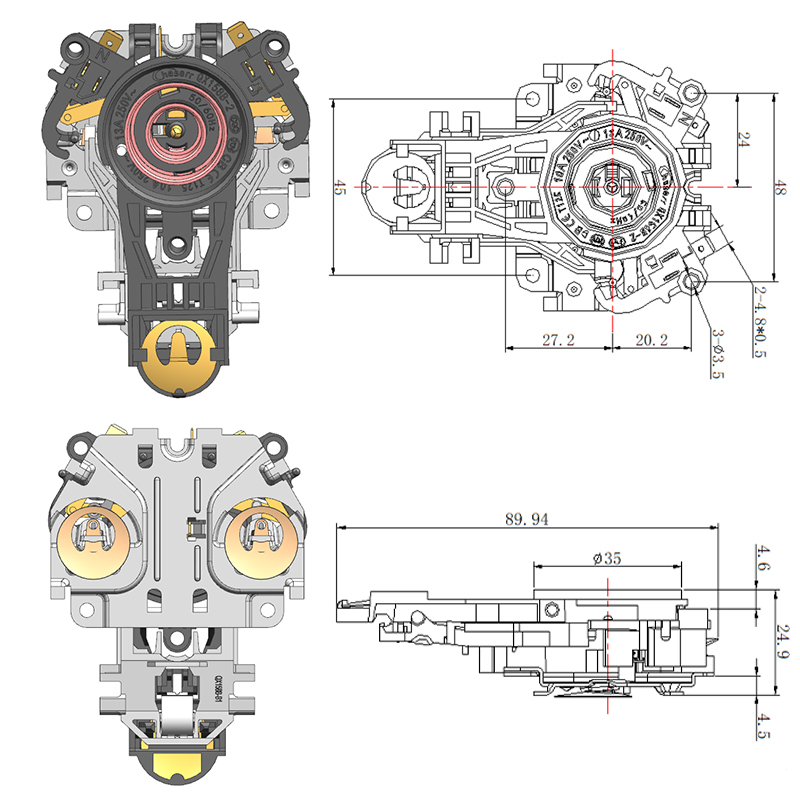
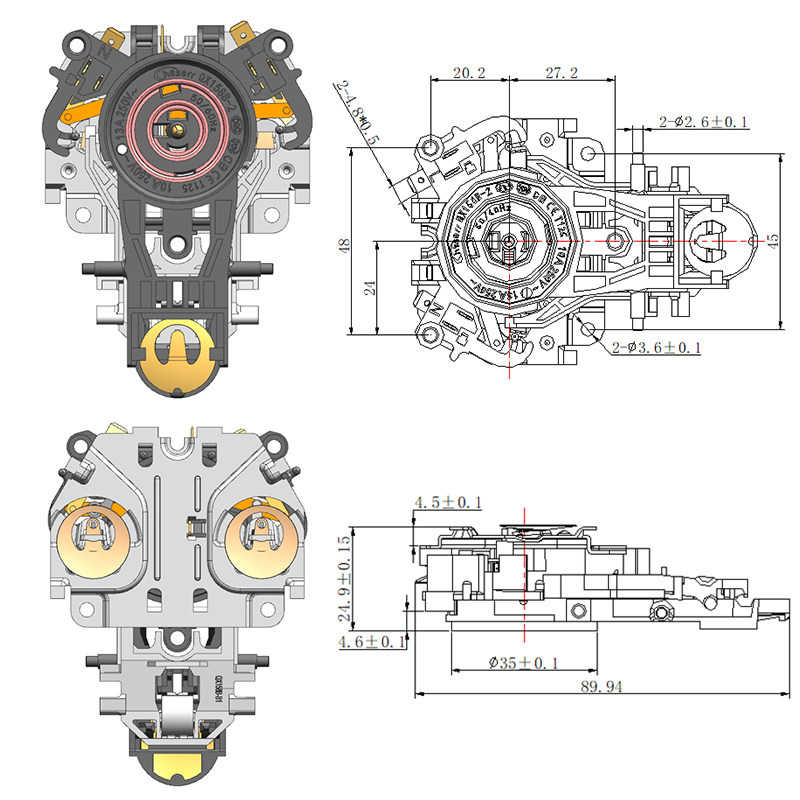
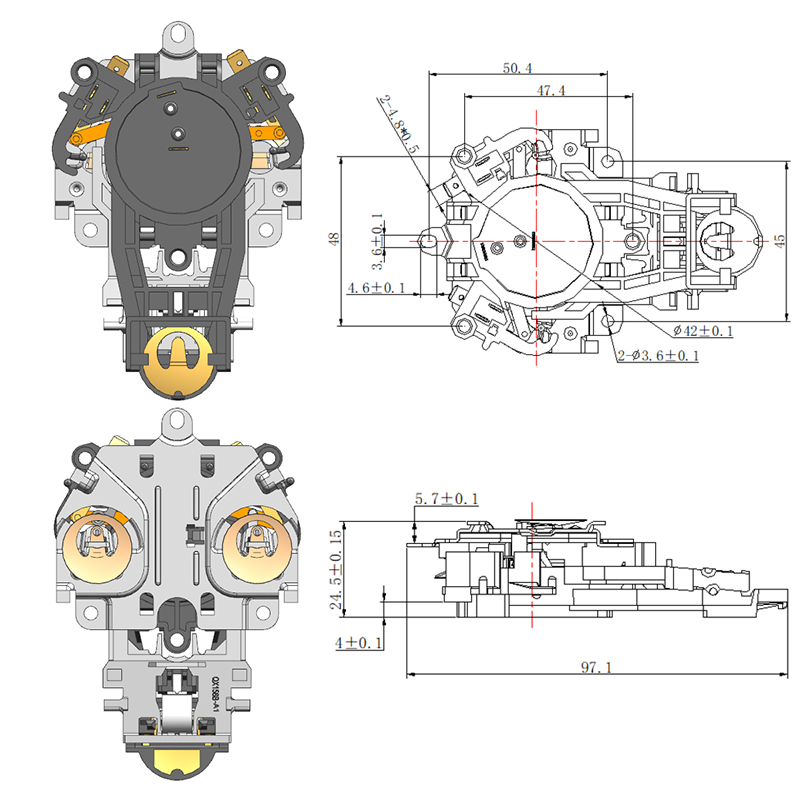
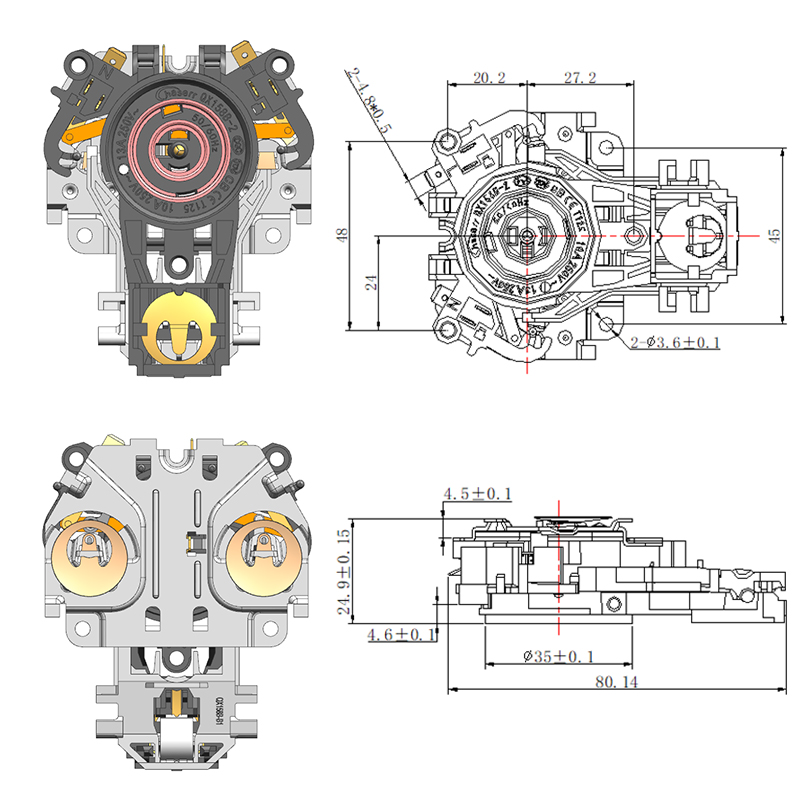
The Electric Kettle Coupler is an essential component in modern electric kettles, enabling both power delivery and communication between the kettle and its base. Unlike a simple cord-and-plug design, this coupler ensures safe, efficient transfer of electricity while also supporting control signals for features such as automatic shut-off, boil-dry protection, and temperature monitoring. Understanding its design and operation is crucial for manufacturers, repair technicians, and consumers who want to optimize kettle performance.
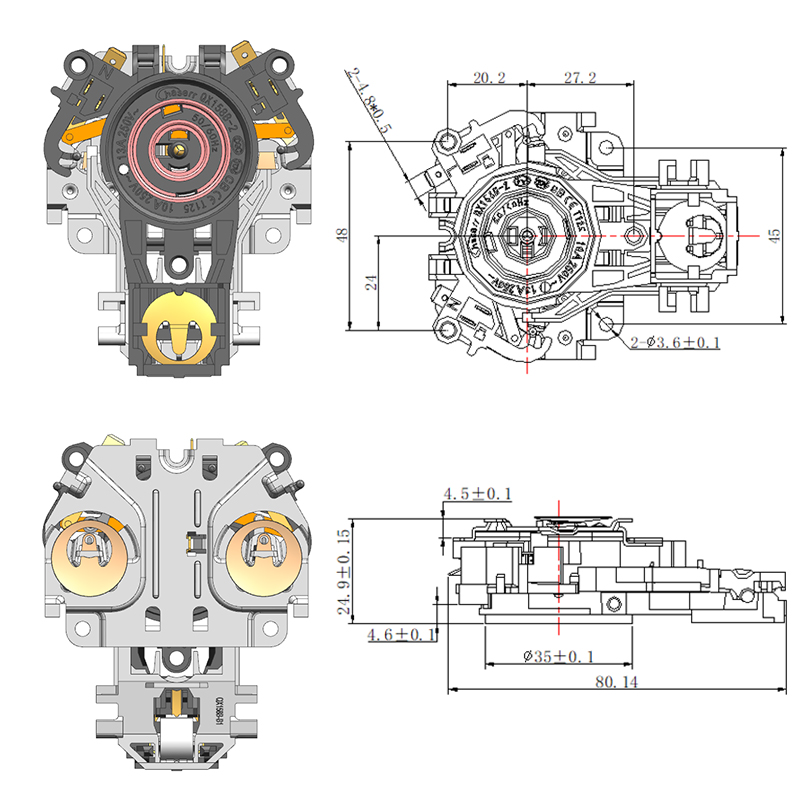
Basic Structure and Components
- Contact Pins and Sockets: The coupler typically contains metal pins on the kettle base and corresponding sockets on the kettle body. These provide electrical pathways for power transfer.
- Insulation Materials: High-quality plastics and insulating materials prevent accidental short circuits, ensuring safe operation even in the presence of moisture or steam.
- Signal Channels: Separate pins or integrated conductors carry control signals from the kettle to the base, enabling the thermostat and electronic sensors to function correctly.
Power Transfer Mechanism
- Direct Current Path: When the kettle is placed on its base, the pins align with the sockets, creating a secure electrical connection that supplies power to the heating element.
- Efficient Conductivity: Metals such as copper or nickel-plated brass are commonly used to reduce resistance and energy loss during power transfer.
- Safety Features: Many couplers are designed with spring-loaded contacts that disengage when the kettle is lifted, preventing live electricity exposure and reducing the risk of electric shock.
Signal Communication Function
- Thermostat Feedback: The coupler allows the kettle’s internal thermostat to send status information to the base, triggering automatic shut-off when the water reaches boiling temperature.
- Boil-Dry Protection: Sensors detect insufficient water levels, and the signal channels instruct the base to cut power, preventing overheating and damage.
- Temperature Control Signals: Advanced kettles may communicate precise temperature settings via the coupler, enabling user-controlled heating to specific degrees for different beverages.
Design Considerations for Reliability
- Material Durability: Couplers must withstand repeated insertions and removals without degrading conductivity or causing loose connections.
- Corrosion Resistance: Metal contacts are often coated to resist oxidation and corrosion, particularly important in environments with steam and humidity.
- Mechanical Stability: The channeled design ensures proper alignment and prevents misconnection, maintaining consistent electrical and signal transfer.
Comparison with Traditional Power Connections
- Cord-and-Plug Limitations: Standard power cords provide electricity but do not support communication between the kettle and base, limiting advanced safety and control functions.
- Integrated Coupler Advantage: By combining power delivery and signal pathways, couplers enable automated features like boil-dry protection, programmable heating, and precise temperature control, enhancing both safety and user convenience.
Maintenance and Troubleshooting
- Regular Cleaning: Mineral deposits and debris can interfere with the coupler’s electrical contacts; periodic cleaning ensures reliable performance.
- Inspection for Wear: Check for bent pins, loose connections, or corrosion to prevent intermittent power or communication failures.
- Replacement Considerations: High-quality couplers are designed for longevity, but damaged units should be replaced with compatible parts to maintain safety standards.
Electric Kettle Couplers play a vital role in modern kettles by safely transferring electrical power while also facilitating communication between the kettle and its base. Through a combination of metal contact pins, insulated channels, and signal pathways, these couplers enable automatic shut-off, boil-dry protection, and precise temperature control. Their durability, corrosion resistance, and design precision make them good for traditional cord-and-plug systems, ensuring both safety and operational efficiency. Understanding how these components work helps users, manufacturers, and repair technicians optimize kettle performance and maintain reliable operation over time.
Featured Products


-
No. 2892, Ningkang East Road, Tiancheng Industrial Zone, Yueqing City, Zhejiang Province
-
 Email: Una@chaserr.cc
 -
 Phone: +86-13075775533
- GET IN TOUCH

Electric Kettle Thermostat Coupler Manufacturer