English
  中文简体
中文简体  Español
Comparing Steam and Bubble Thermostat Switch Advantages
The Strix Thermostat Switch is widely used in electric kettles and similar appliances to regulate temperature safely and efficiently. Among its variations, the steam (or vapor) type and bubble type are common. Each design offers distinct advantages and limitations compared to other temperature control switches, including mechanical and bimetallic types. Understanding these differences can help manufacturers, distributors, and consumers select the appropriate switch for their specific application.
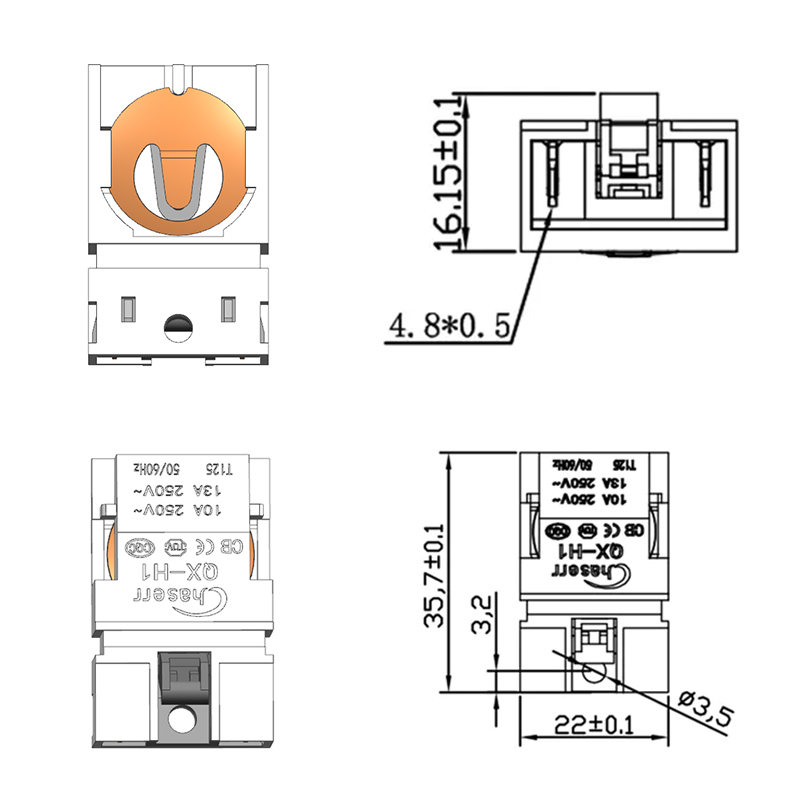
Steam (Vapor) Type Thermostat Switch
- Working Principle: The steam type operates by detecting vapor generated when water reaches boiling temperature. The rising steam activates the switch, cutting off power to the heating element.
- Accuracy: Steam switches are highly precise because they respond directly to the boiling point of water.
- Safety: Automatic shut-off occurs almost immediately upon detecting steam, preventing overheating and reducing the risk of fire or appliance damage.
- Limitations: They may be sensitive to scale buildup in hard water conditions, which can slightly delay response times. Additionally, steam switches are mainly suited for liquid heating applications and may not perform as well with non-liquid loads.
Bubble Type Thermostat Switch
- Working Principle: The bubble type detects air bubbles formed in the liquid as it approaches boiling. Expansion from these bubbles triggers the switch mechanism to cut off power.
- Rapid Response: Bubble switches react quickly to boiling conditions, providing a fast shut-off for kettles and similar appliances.
- Durability: They generally have fewer moving parts exposed to heat, which can extend operational lifespan.
- Limitations: Bubble switches can sometimes misfire if the liquid contains impurities or if the appliance is tilted. They also require careful calibration during manufacturing to ensure consistent performance.
Comparison with Other Temperature Control Switches
Bimetallic Switches: Bimetallic switches rely on metal strips that bend with temperature changes to open or close circuits. While robust and cost-effective, they may be less precise than Strix Steam or Bubble types. Bimetallic switches are often slower to respond, making them less suitable for rapid boil detection.
Electronic Thermostats: Electronic thermostats offer programmable settings and high accuracy, but they are more expensive and complex. They may not provide the same reliability in simple household appliances like kettles.
Mechanical Snap Switches: These switches provide basic on/off control but lack the precision and automatic shut-off features of steam or bubble designs, increasing the risk of overheating.
Operational Advantages of Strix Steam and Bubble Switches
- Consistent Boiling Detection: Both types reliably detect boiling points, ensuring suitable performance for kettles and water heaters.
- Enhanced Safety: Automatic shut-off protects appliances and users from potential hazards.
- Energy Efficiency: By cutting power promptly when boiling is reached, these switches prevent unnecessary energy consumption.
- Compatibility: Both types are designed to integrate seamlessly into common household appliances without requiring complex circuitry.
Considerations for Choice
- Application Requirements: Steam switches are ideal for appliances where precision is critical, such as electric kettles for delicate teas. Bubble switches are better for fast-response scenarios and high-volume production kettles.
- Water Quality: In areas with hard water, bubble switches may be less affected by scale than steam switches. Regular maintenance is recommended for both types.
- Cost vs Performance: Steam and bubble types cost slightly more than basic mechanical switches but provide good safety and performance, which justifies the investment.
Strix Thermostat Switches, whether steam or bubble type, offer clear advantages over traditional mechanical and bimetallic temperature control switches. Steam switches provide high accuracy and rapid automatic shut-off, while bubble switches offer durability and fast response. Both designs enhance safety, energy efficiency, and user convenience in electric kettles and similar appliances. Selecting the right type depends on application requirements, environmental conditions, and cost considerations. By understanding the unique benefits and limitations of each type, consumers and manufacturers can optimize appliance performance and reliability.
Featured Products


-
No. 2892, Ningkang East Road, Tiancheng Industrial Zone, Yueqing City, Zhejiang Province
-
 Email: Una@chaserr.cc
 -
 Phone: +86-13075775533
- GET IN TOUCH

Electric Kettle Thermostat Coupler Manufacturer