English
  中文简体
中文简体  Español
Adjusting Flow and Pressure with Kettle Couplers
1. Introduction to Water Supply Control Kettle Couplers
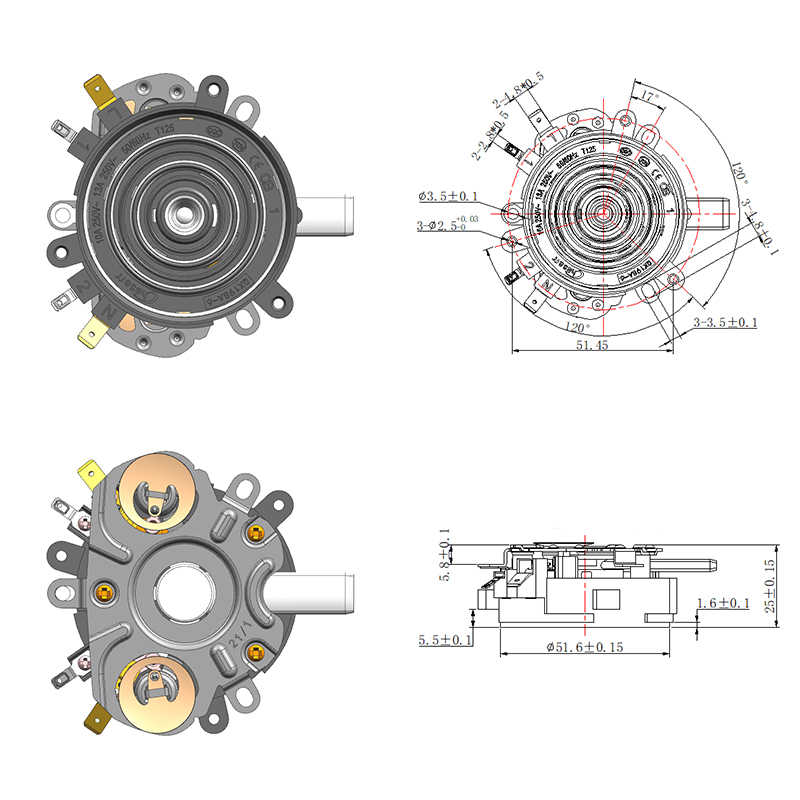
The Water Supply Control Kettle Coupler is an essential component in modern kettles and hot water systems. Its primary function is to regulate water flow and pressure, ensuring safe and efficient operation while providing precise control over water delivery.
- Purpose: Balances water input for heating and dispensing systems.
- Applications: Household kettles, commercial beverage dispensers, and industrial water heating equipment.
- Significance: Proper control of flow and pressure prevents equipment damage and enhances user safety.
2. Mechanism for Flow Rate Control
The coupler regulates water flow through a combination of mechanical design and internal valves.
- Internal Valve System: Opens or closes to adjust the volume of water passing through.
- Flow Sensors: Monitor real-time water movement to maintain desired flow.
- Feedback Adjustment: Ensures stable flow even with variations in water supply or temperature.
3. Water Pressure Regulation
Water pressure control is critical to prevent damage to both the kettle and connected piping.
- Pressure-Sensitive Valves: Detect incoming water pressure and adjust opening accordingly.
- Consistent Output: Maintains steady water delivery despite fluctuations in supply pressure.
- Safety Benefits: Reduces the risk of leaks, bursts, or overflow caused by high pressure.
4. User-Adjustable Flow and Pressure
Many Water Supply Control Kettle Couplers allow users to customize flow rate and pressure settings.
- Manual Controls: Dials, knobs, or levers provide direct adjustment.
- Preset Modes: Automated flow settings for different use cases, such as tea or coffee preparation.
- Limits for Safety: Prevents users from setting dangerously high flow or pressure levels.
5. Integration with Smart and Automated Systems
Modern couplers often integrate with smart technologies for advanced flow and pressure management.
- IoT Connectivity: Flow and pressure can be monitored and adjusted via smartphone apps.
- Automated Scheduling: Programs can optimize water delivery for specific times or recipes.
- Data Logging: Tracks flow and pressure patterns for operational analysis and efficiency improvements.
6. Impact on Heating Efficiency
Proper water flow and pressure control significantly affect the kettle’s heating performance.
- Optimal Heating: Correct flow ensures water is heated evenly and efficiently.
- Prevents Dry Heating: Avoids overheating when water input is too low.
- Energy Savings: Reduces unnecessary power consumption by regulating water volume.
7. Safety Features Linked to Flow and Pressure
Regulating flow and pressure contributes directly to user and equipment safety.
- Overpressure Protection: Prevents damage to the kettle or piping systems.
- Anti-Overflow Mechanism: Ensures water does not exceed safe levels during operation.
- Automatic Shutoff: Stops water flow if irregular pressure or flow is detected.
8. Maintenance for Consistent Performance
Regular maintenance ensures the coupler continues to provide precise flow and pressure control.
- Cleaning: Prevents mineral buildup and debris from blocking valves.
- Inspection: Periodically check for wear, leaks, or malfunctioning sensors.
- Calibration: Ensures flow and pressure settings remain accurate over time.
9. Material and Durability Considerations
The construction of the Water Supply Control Kettle Coupler affects its ability to maintain reliable flow and pressure control.
- Corrosion-Resistant Materials: Stainless steel or high-quality plastics resist water damage.
- Durable Seals: Prevent leaks and maintain consistent pressure under continuous use.
- Temperature Tolerance: Components withstand high temperatures without deforming.
The Water Supply Control Kettle Coupler plays a crucial role in adjusting water flow and pressure for kettles and hot water systems. Through a combination of internal valves, sensors, user controls, and smart integrations, it ensures precise, safe, and efficient water delivery. Regular maintenance, careful calibration, and understanding its mechanisms improve performance and longevity.
Featured Products


-
No. 2892, Ningkang East Road, Tiancheng Industrial Zone, Yueqing City, Zhejiang Province
-
 Email: Una@chaserr.cc
 -
 Phone: +86-13075775533
- GET IN TOUCH

Electric Kettle Thermostat Coupler Manufacturer