English
 中文简体
 Español

Kettle Component Documents: Match the Model to the Approval Scope
A supplier can send a folder of certificates and still leave an important purchasing question unanswered: do the documents cover the component being ordered? Similar model numbers, optional terminals and different mating bases can make a general certificate folder difficult to use. Kettle component documents need to be connected to a specific assembly and application.
For appliance buyers, the objective is a traceable approval file. It should show what was offered, which evidence applies and what remains to be verified by the appliance engineering or compliance team. The presence of a logo in a catalogue is not the same as a model-specific review.
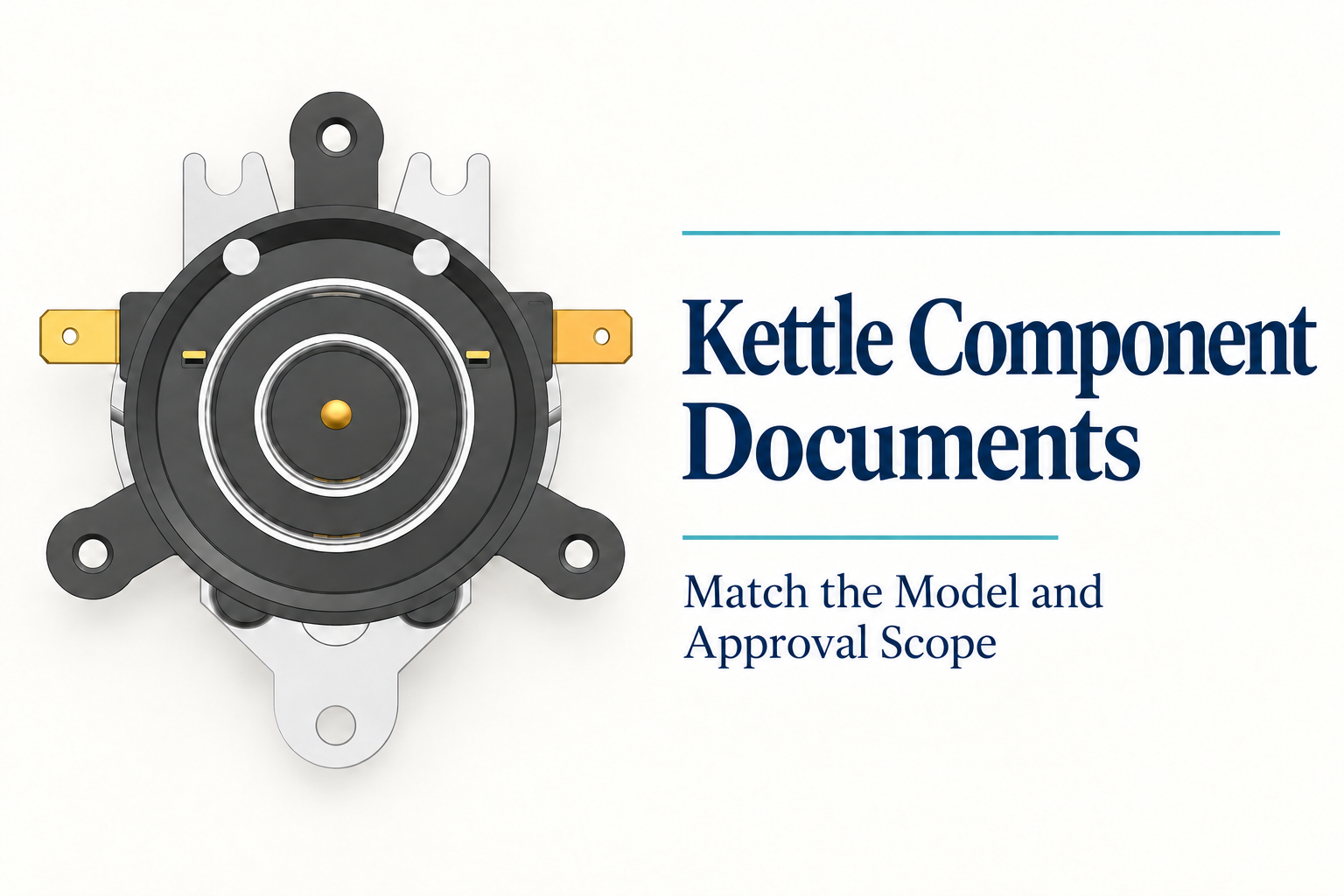
Start with an identifiable offered assembly
Ask the supplier to state the complete model reference in the quotation. Record any suffix, terminal option and mating base that forms part of the offer. If the catalogue groups several versions together, identify the precise version proposed for the appliance.
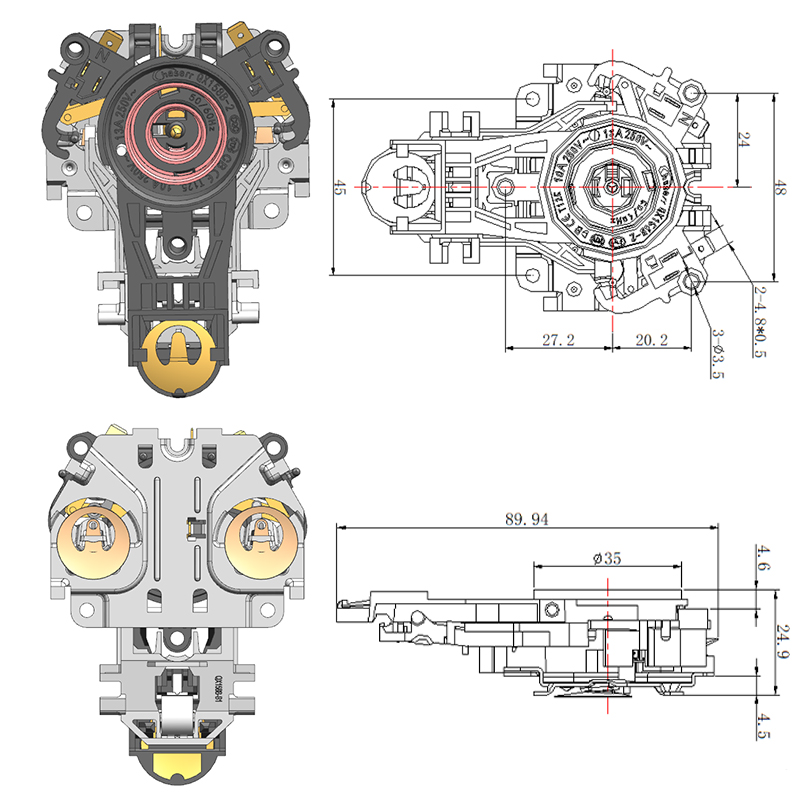
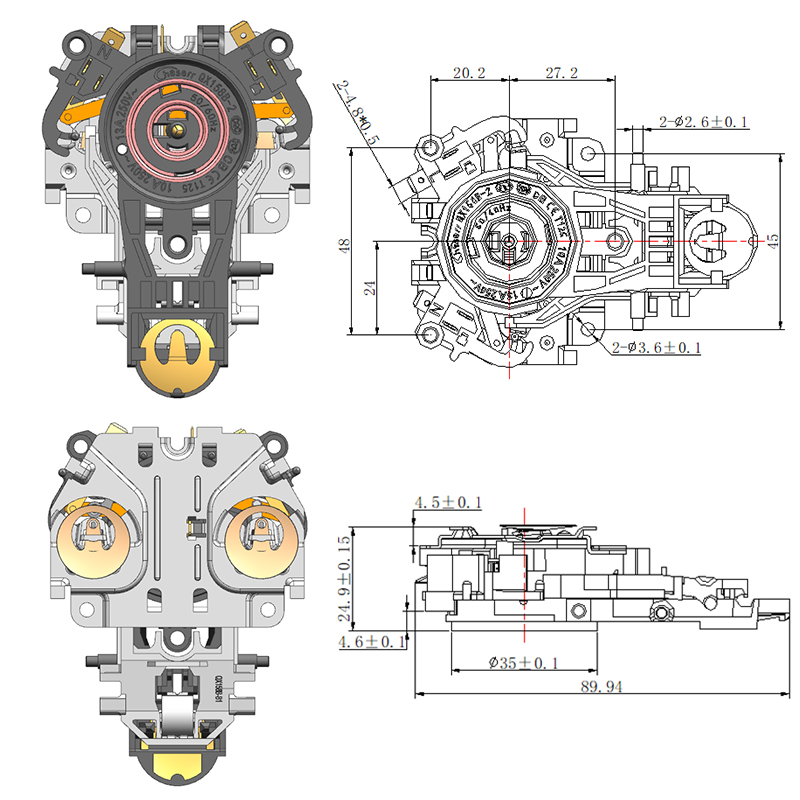
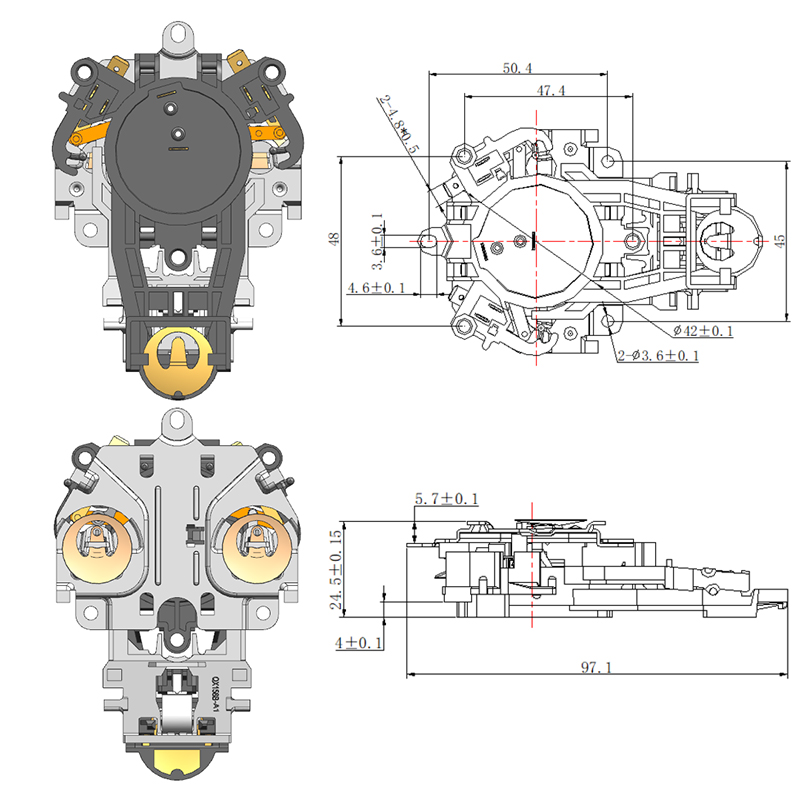
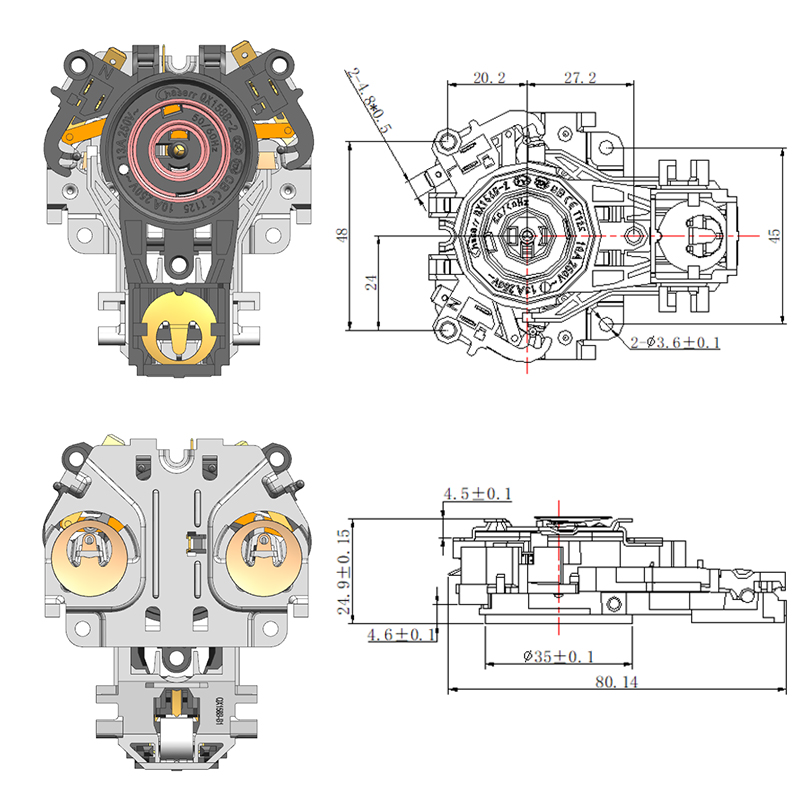
When comparing three-ring kettle couplers, do not use the ring count as the only identity. Keep the commercial model, drawing and supplied configuration together. A photograph supports identification but cannot replace a clear part reference and connection information.
Kettle coupler model verification should begin before documents are approved. Otherwise, a team may spend time reviewing evidence for a neighbouring model and discover the mismatch only when the sample reaches the assembly bench. Resolve unclear references with the supplier while the offer is still being defined.
Build a document-to-model map
Create a short index showing each document, its issuer, reference number, date and the model or family it covers. Include the relevant page where the model coverage is identified. This makes the file easier to review than an unlabelled group of attachments.
If a document covers a family rather than a single model, ask how the offered version is included. Do not assume that a shared prefix establishes coverage. The appropriate reviewer should examine the actual scope and any conditions or exclusions that apply.
Keep the complete document where it is needed for review. A screenshot of the first page may omit the model list, conditions or explanatory notes. Likewise, a translated summary should not become the sole reference when the underlying document is available.
Read component approval scope separately from appliance approval
UL Solutions explains that component recognition concerns parts intended for use within a larger product and includes conditions governing their use. It is distinct from certification of a complete standalone product. This is a useful distinction when reviewing a coupler file for an appliance project.
A component record may help the appliance team evaluate a design, but it does not establish the approval status of the finished kettle. Ask the responsible compliance team to determine the applicable requirements for the product and target market.
This review does not state that every Qianxun component has a particular certification. Any claim should be checked for the exact offered model and record. Keep unverified claims marked as pending instead of copying them into the purchase specification or public product description.
Compare stated conditions with the intended installation
The component approval scope may depend on ratings and installation conditions. Collect the relevant electrical specification, mounting information, terminal arrangement and documented limitations so the technical team can compare them with the appliance design.
Where a condition refers to wiring, enclosure or temperature, identify the corresponding appliance information. A note that says checked is less useful than a record showing which drawing or specification was reviewed. The purpose is to make the reasoning traceable when the appliance configuration changes.
If the supplied document is unclear, request clarification rather than filling the gap with an assumption. Procurement should collect the evidence and route technical questions to qualified reviewers. A purchasing checklist cannot replace the engineering assessment of an electrical appliance.
Use a practical approval-file checklist
| File item | What to connect | Review question |
|---|---|---|
| Supplier quotation | Offered model and options | Is the commercial item clearly identified? |
| Product drawing | Model and drawing revision | Does it describe the sample and ordered configuration? |
| Supporting record | Issuer, reference and covered models | Does the evidence include the offered version? |
| Rating information | Current, voltage and stated conditions | Does the technical team have the required application data? |
| Installation limitations | Applicable conditions and appliance references | Has the planned use been compared with the documented scope? |
| Review outcome | Reviewer, date and unresolved items | Is the actual approval status clear? |
Keep sample approval and document review connected
Record the sample identity alongside the drawing and document index. If the sample differs from the offered terminal arrangement or model suffix, clarify the difference before treating the file as complete. The sample and paperwork should describe one intended production configuration.
Photographs can support this record, especially where labels or connection features help distinguish versions. They are supporting evidence, not a substitute for the required document. Avoid reproducing an unclear marking as a definitive certification claim.
Separate the statuses if necessary. A sample may be awaiting a fit review while its documents are being checked, or the mechanical review may be complete while a scope question remains open. A single approved stamp can hide those differences and encourage an order to proceed prematurely.
Define what happens when a component changes
Ask the supplier to communicate proposed substitutions and revisions before delivery. A different terminal, material, assembly or mating part may require the approval file to be reviewed again. Do not assume that a familiar commercial name makes the change irrelevant.
Keep superseded records identifiable rather than mixing them with the current approved set. For repeat purchasing, the order should refer to the accepted configuration and relevant document revisions. If an old attachment remains in the system, its status should be clear.
- Request the exact offered model and complete configuration.
- Map each supporting document to its covered models and conditions.
- Have the appliance team assess the intended installation and target market.
- Record unresolved questions and the actual review outcome.
- Require clarification before approving a substitution or revised configuration.
A concise, connected file is more useful than a large collection of unrelated certificates. Send the supplier your appliance reference and proposed configuration, then request the documents that apply to that offer. This gives procurement and technical reviewers a shared basis for deciding what can be accepted and what still needs evidence.
Featured Products
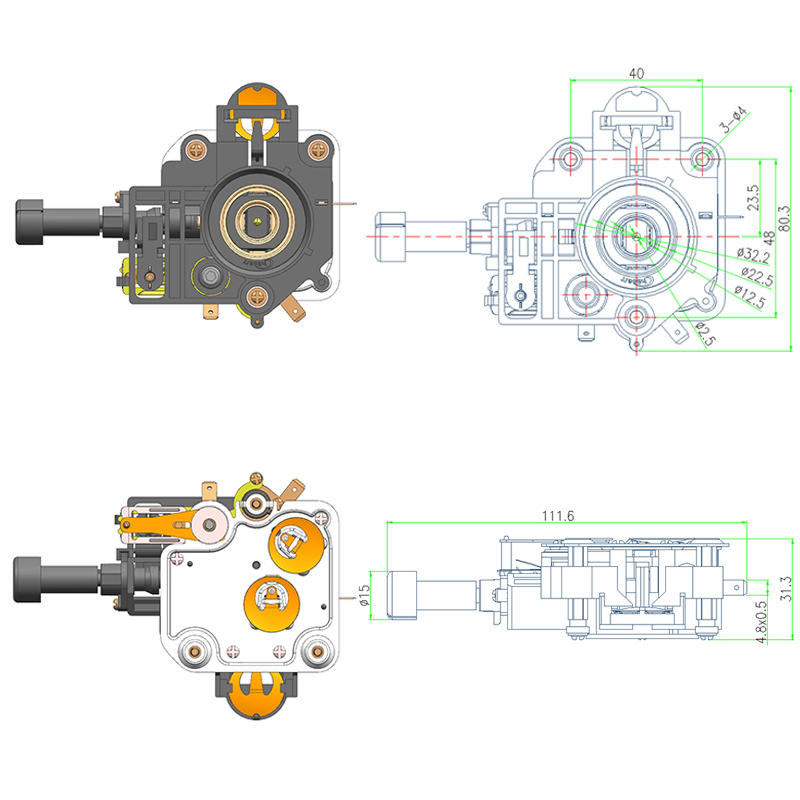

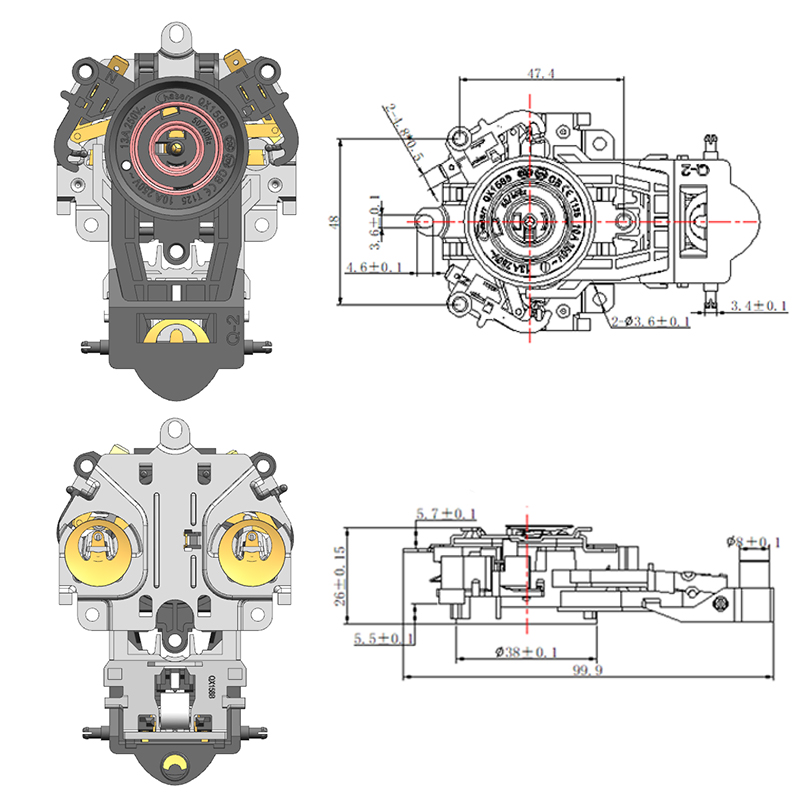
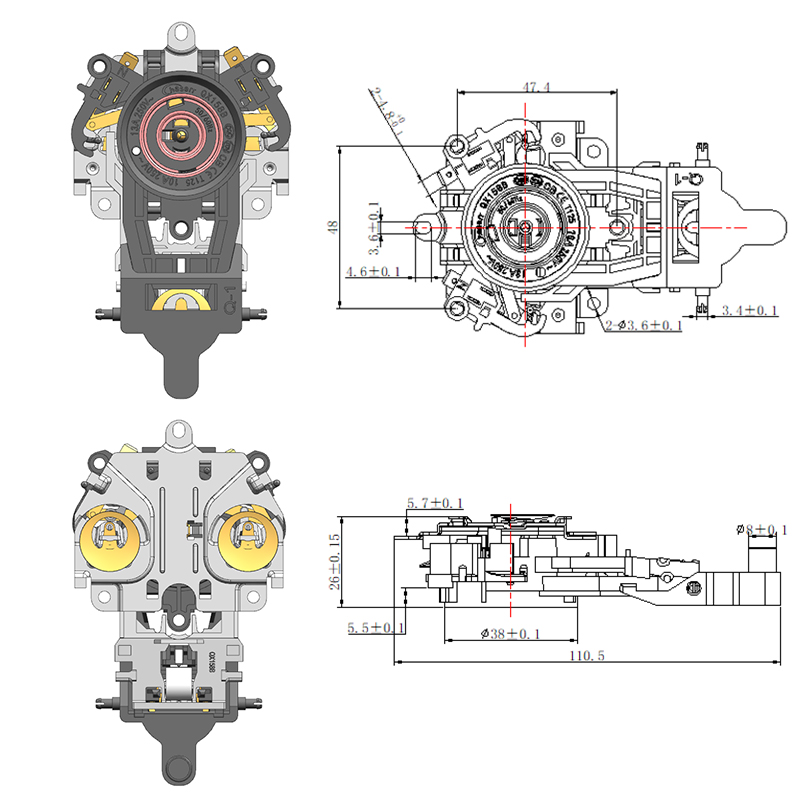

-
No. 2892, Ningkang East Road, Tiancheng Industrial Zone, Yueqing City, Zhejiang Province
-
 Email: Una@chaserr.cc
-
 Phone: +86-13075775533
- GET IN TOUCH

Electric Kettle Thermostat Coupler Manufacturer