English
  中文简体
中文简体  Español
Differences Between Anti-Drying Couplers and Standard Sockets
The Anti-Drying Kettle Coupler is a specialized component designed for modern electric kettles. Unlike a standard electrical socket, which simply provides a connection to a power source, this coupler offers both electrical power transfer and integrated safety mechanisms. Its primary purpose is to prevent the kettle from operating without sufficient water, thereby protecting the heating element and enhancing user safety. Understanding the differences between an Anti-Drying Kettle Coupler and a conventional socket highlights the advanced features and benefits of modern kettle designs.
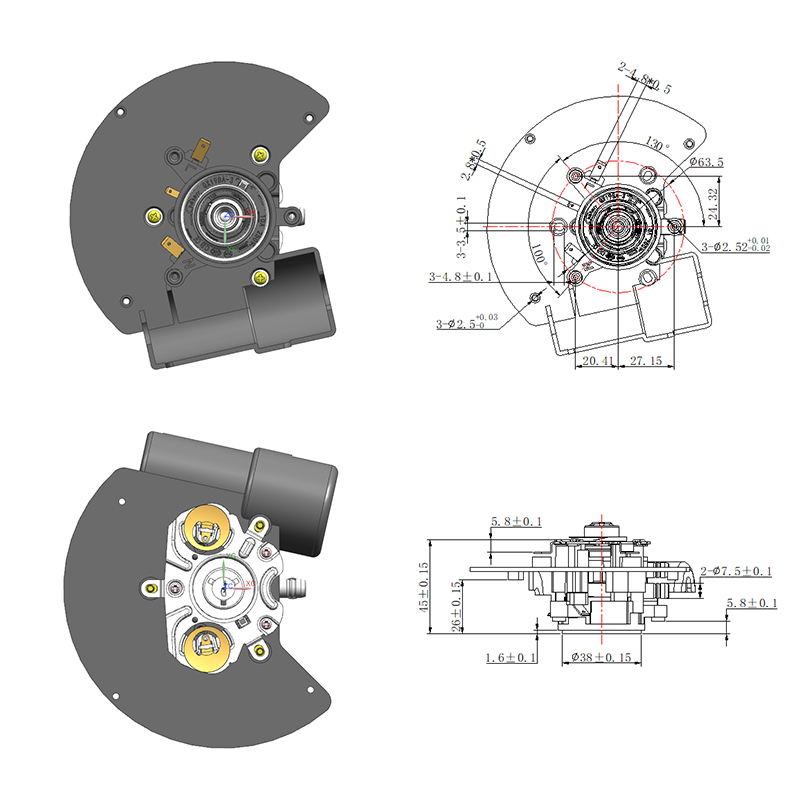
Basic Functionality Comparison
- Standard Socket: Provides a fixed electrical connection, supplying power to the appliance. It has no integrated safety or communication functions.
- Anti-Drying Kettle Coupler: Transfers power while simultaneously interacting with the kettle’s internal sensors to detect water levels, automatically cutting power when the kettle is empty.
- Safety Enhancement: Unlike standard sockets, the coupler ensures the appliance cannot overheat, reducing the risk of fire, appliance damage, or electrical hazards.
Design Differences
- Contact Mechanism: Anti-Drying Kettle Couplers typically feature spring-loaded metal pins and corresponding sockets, providing secure contact while allowing the kettle to be lifted safely.
- Insulation and Sealing: These couplers are often encased in insulating plastic and include silicone gaskets to prevent water ingress, protecting against electrical leakage.
- Integration with Sensors: While standard sockets are passive connectors, couplers are designed to transmit both power and control signals from temperature sensors or thermostats within the kettle.
Operational Advantages of Couplers
- Automatic Shut-Off: When water is insufficient, the coupler works with the kettle’s thermostat to immediately cut power, preventing dry boiling.
- Boil-Dry Protection: Standard sockets cannot detect whether the kettle contains water, whereas the coupler ensures safe operation by integrating this monitoring function.
- Energy Efficiency: The automatic shut-off feature prevents unnecessary energy consumption and reduces wear on the heating element.
Durability and Reliability
- Wear Resistance: Couplers are designed to withstand frequent insertions and removals without losing conductivity or alignment.
- Corrosion Resistance: Contact pins are typically coated with nickel or other corrosion-resistant materials, ensuring consistent performance even in humid conditions.
- Moisture Protection: Unlike standard sockets, which are vulnerable to spills or steam exposure, couplers are sealed to maintain safety and functionality.
User Safety Considerations
- Electrical Hazard Prevention: The insulated design prevents accidental shocks, even if the kettle base becomes wet.
- Temperature Monitoring: Couplers facilitate real-time temperature and water-level monitoring, reducing the risk of overheating.
- Enhanced Appliance Longevity: By preventing dry boiling, the coupler extends the life of the kettle’s heating element and reduces maintenance requirements.
Comparison in Practical Usage
- Standard Socket Limitations: Cannot detect water levels or temperature; provides only basic electrical connectivity.
- Anti-Drying Kettle Coupler Benefits: Combines electrical connectivity with safety and monitoring features, ensuring reliable operation and reducing accident risks.
- Advanced Appliance Features: Many modern kettles rely on these couplers to implement programmable heating, precise temperature control, and automatic shut-off, which standard sockets cannot support.
The Anti-Drying Kettle Coupler represents a significant advancement over standard electrical sockets in electric kettle design. By combining power transfer with integrated safety mechanisms, moisture protection, and sensor communication, these couplers prevent dry boiling, reduce energy waste, and enhance user safety. Standard sockets, while functional for general electrical appliances, lack these protective and interactive features. Understanding these differences highlights the importance of using modern couplers in kettles to ensure reliable, safe, and long-lasting operation.
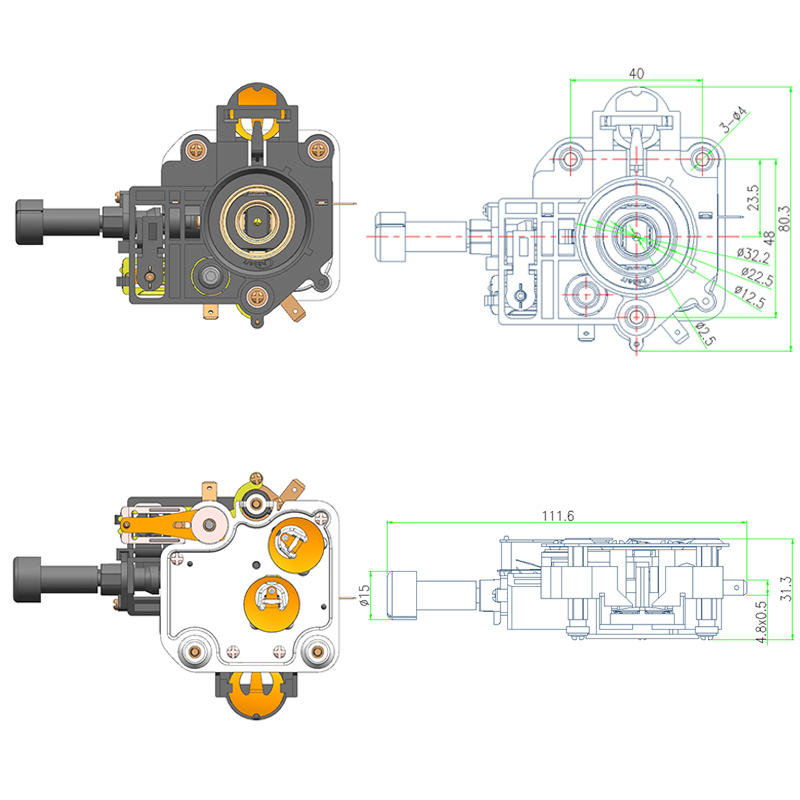
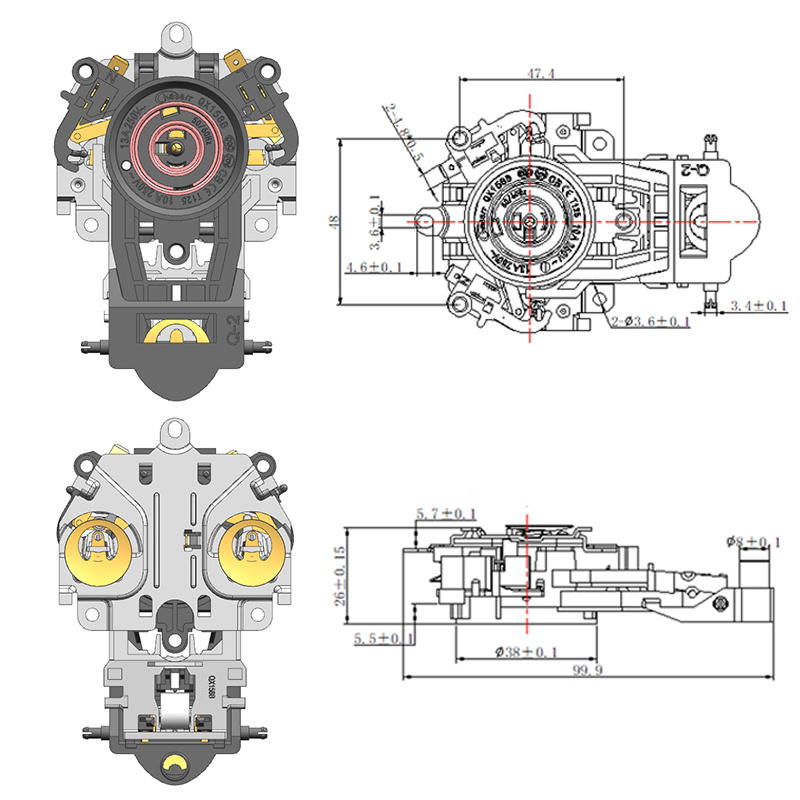
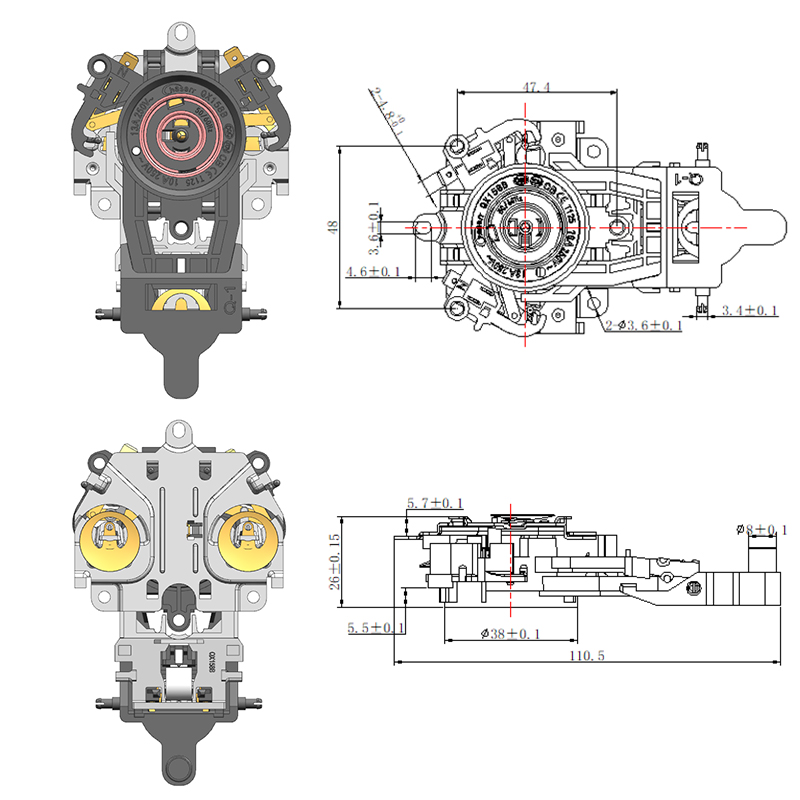
Featured Products


-
No. 2892, Ningkang East Road, Tiancheng Industrial Zone, Yueqing City, Zhejiang Province
-
 Email: Una@chaserr.cc
 -
 Phone: +86-13075775533
- GET IN TOUCH

Electric Kettle Thermostat Coupler Manufacturer